ENTRANCE I
The World — five shelves
EVERY TILE: MEDIUM · STATUS · ITS PLACE IN THE CANON
These shelves are not categories — they are
lineages. The same branching ribs recur in a citadel support, a sentinel's spine,
and a storm-column's roots; Coalition equipment imitates the morphology as humans adapt.
The designs share an evolutionary history, and character imagery is presented honestly as
a developing design lineage.
01 · Living Machines
A NEW TAXONOMY OF LIFE — ORGANISMS THAT COULD BE GODS, MACHINES, OR CATEGORIES WITHOUT NAMES
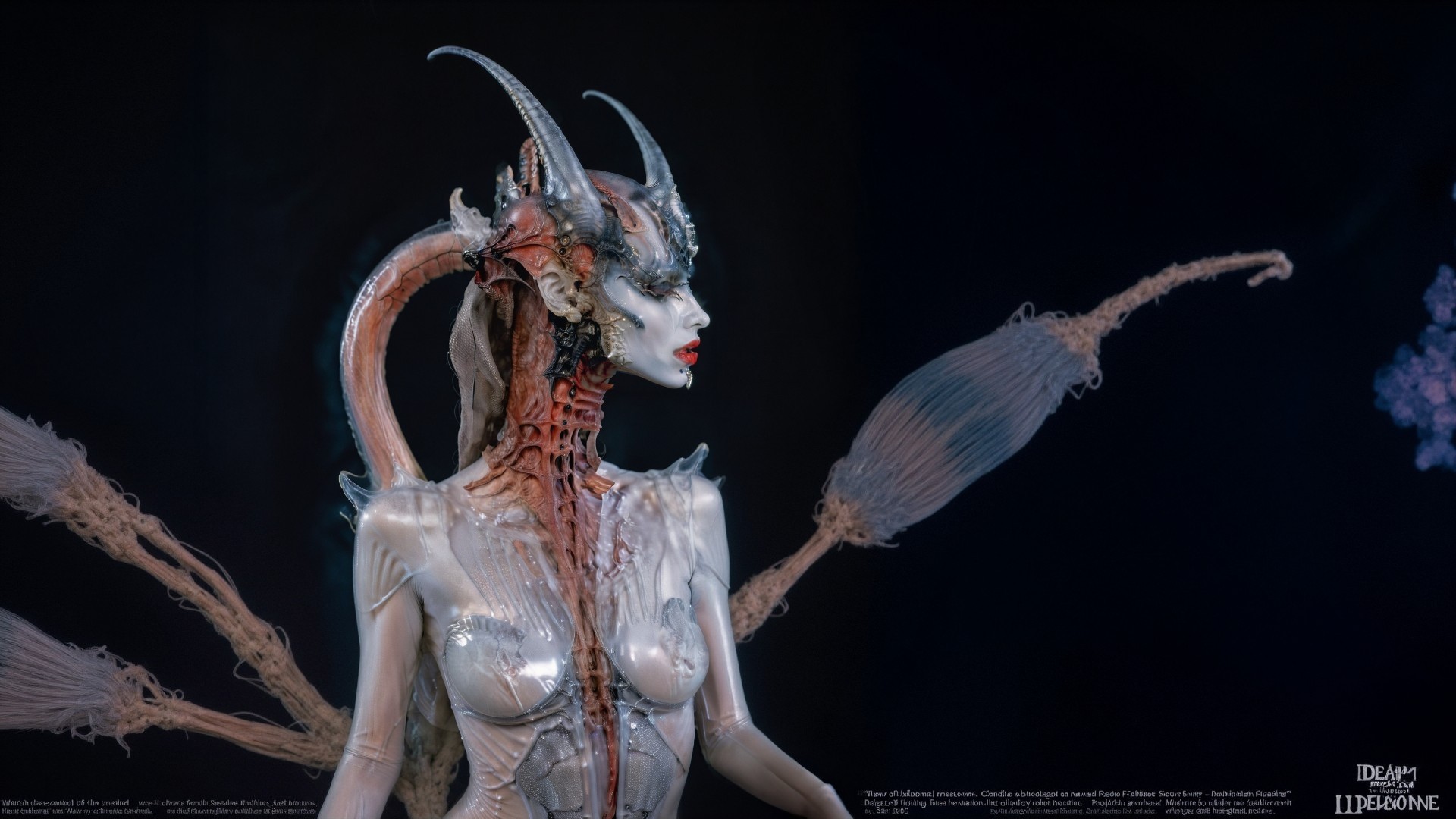
GENERATED · OWNED MODELS the oracle — translucent carapace over an exposed spinal column; the world's soft-horror register
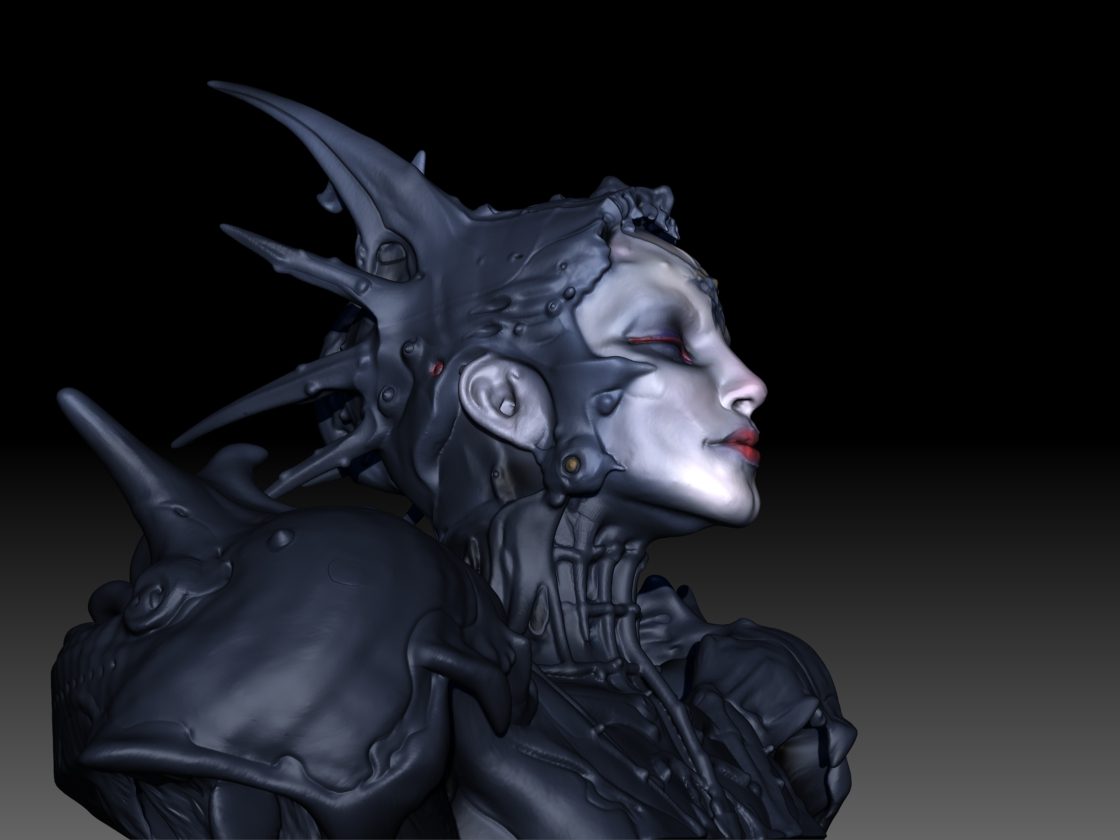
3D SCULPT ceremonial figure — the clay stage of a design that exists across representations
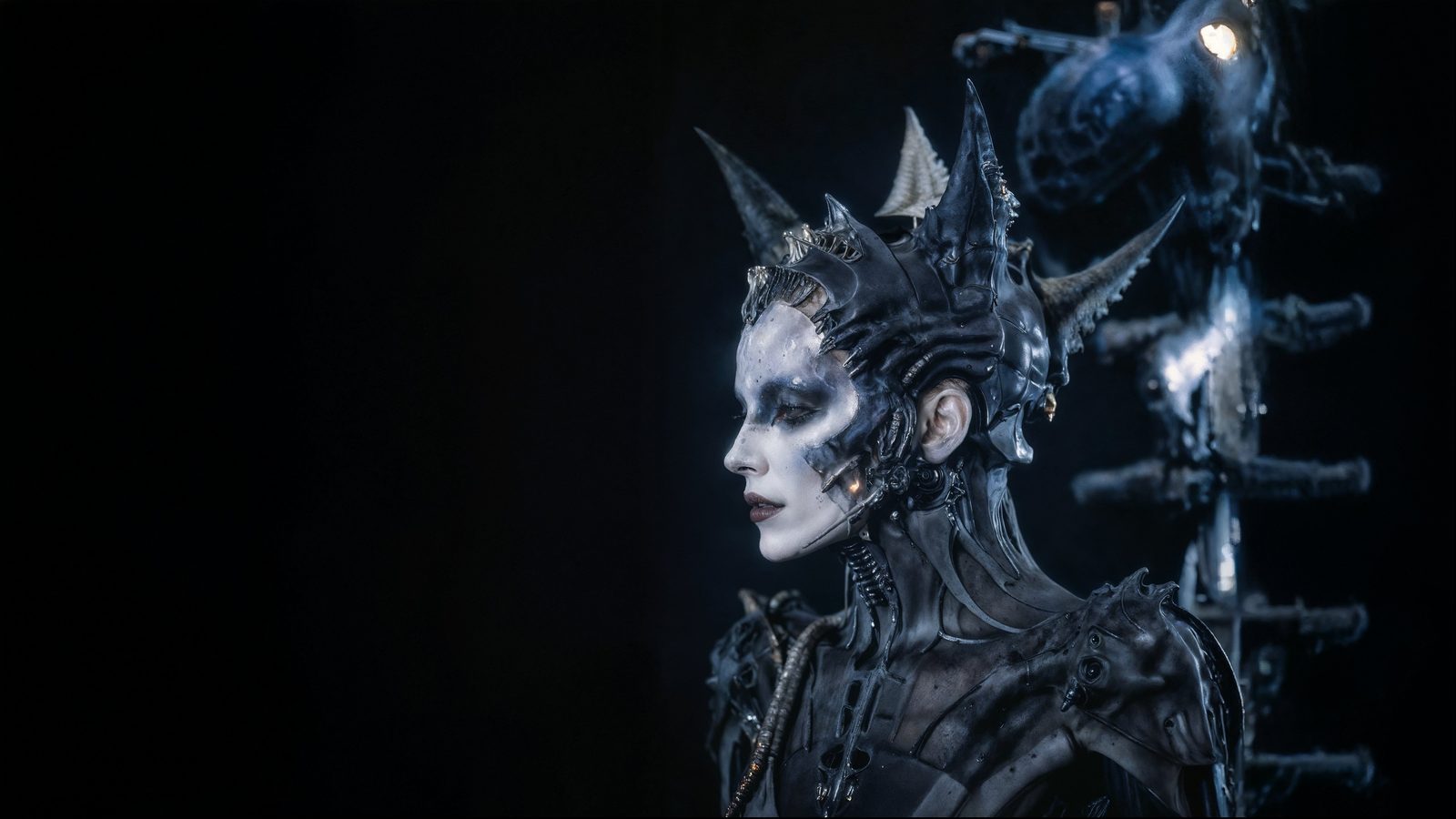
PHOTOREAL the same ceremonial design, carried to final register
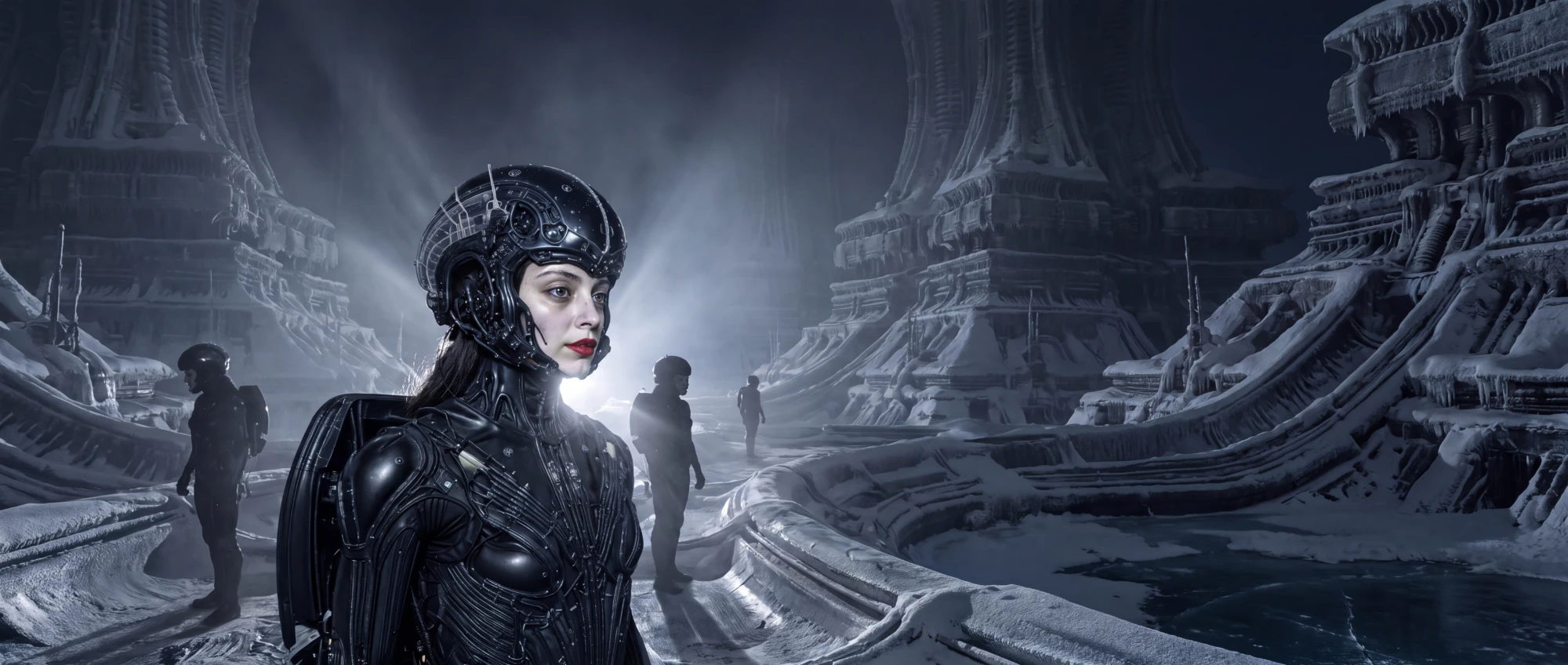
GENERATED · OWNED MODELS portrait study — the human face inside the machine world
▸ The clay → photoreal pair is the practical↔CG claim, demonstrated: one design, two representations, no drift.
02 · Built World
A PLANET THAT ORGANIZES ITSELF — HABITAT, ORGAN, FACTORY, AND COMPUTER AT ONCE
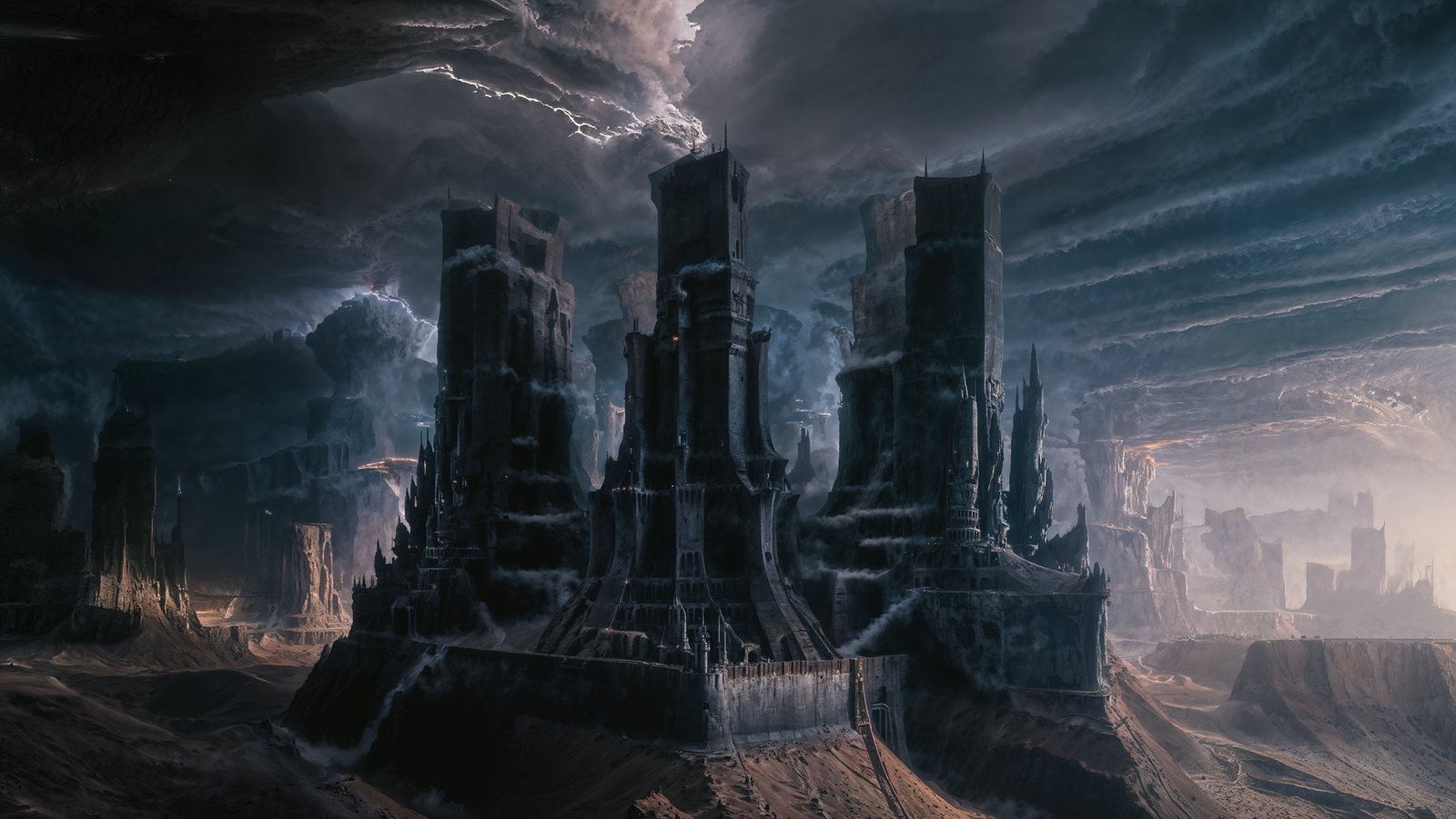
GENERATED the storm citadel — spires answering weather
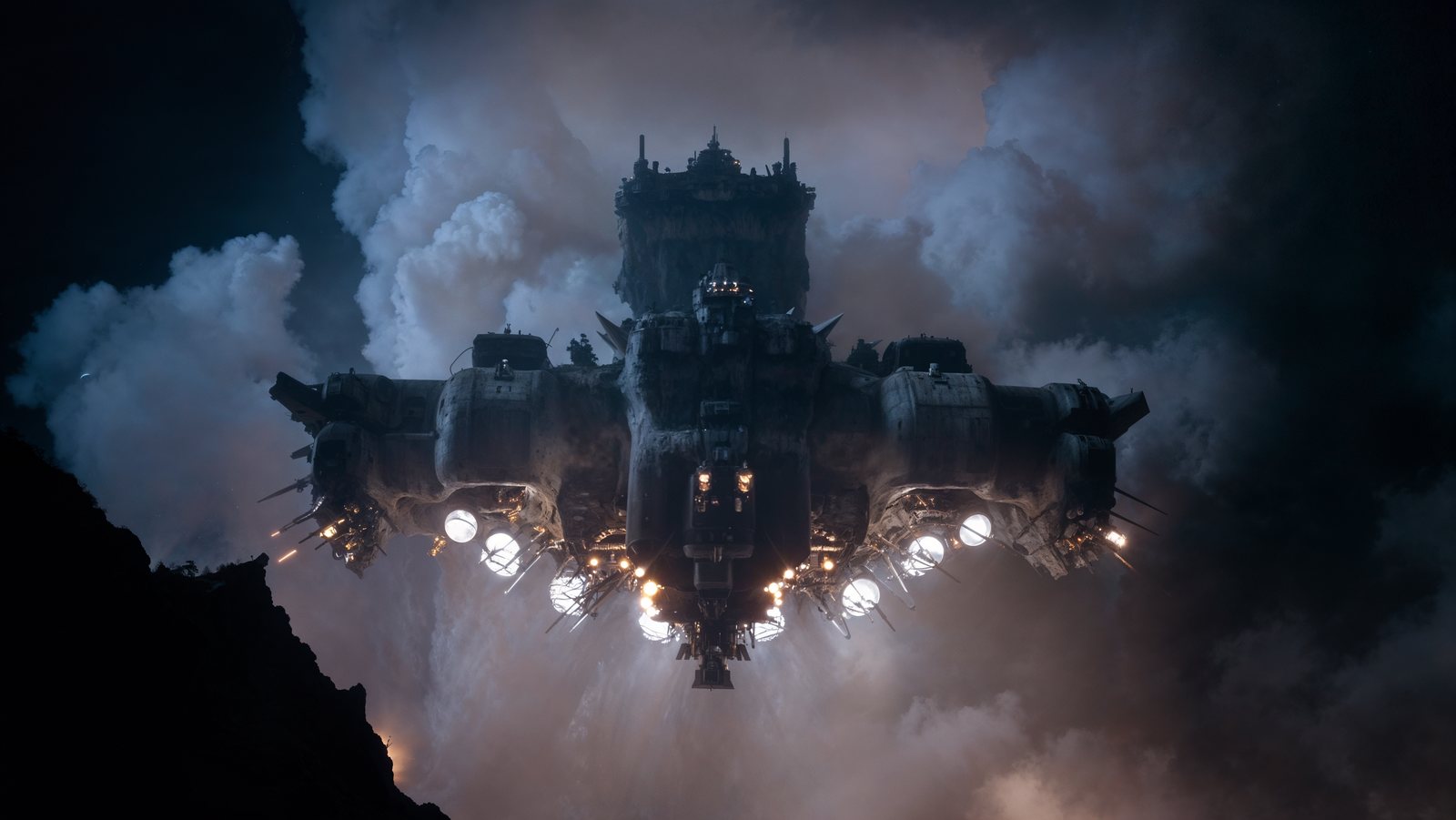
GENERATED cathedral engine — the interior scale register
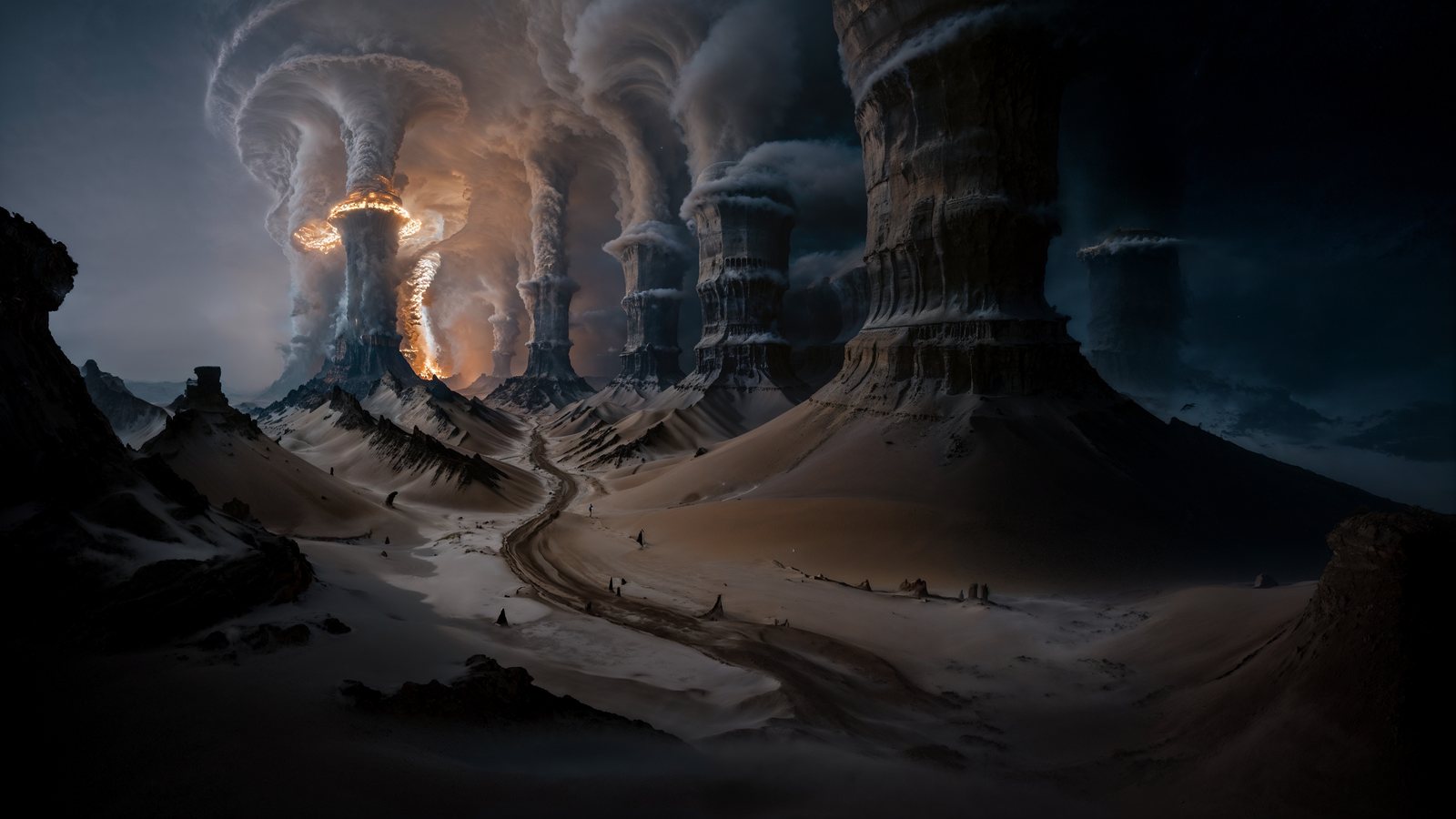
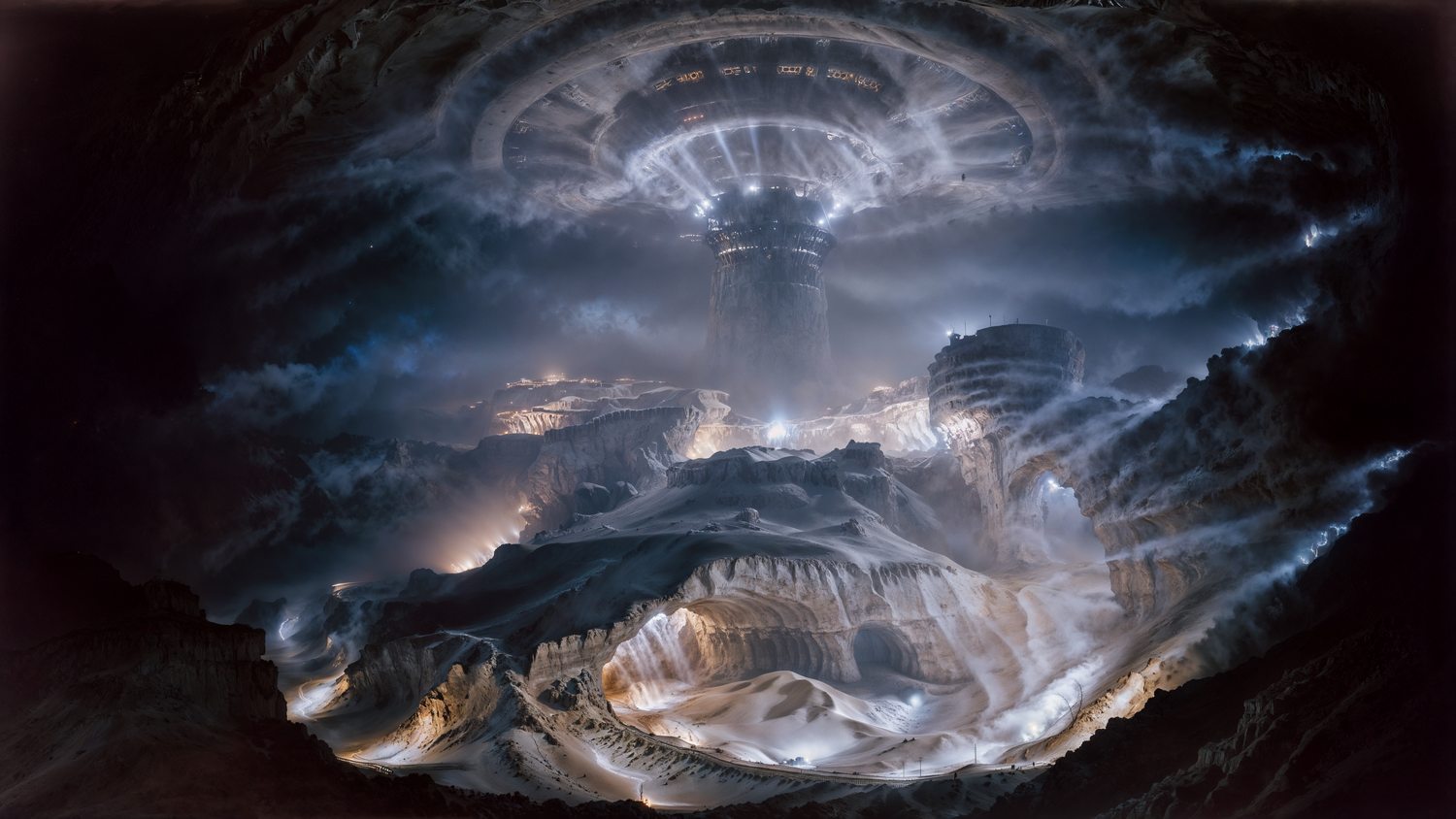
GENERATED winter dune columns — industry holding the desert
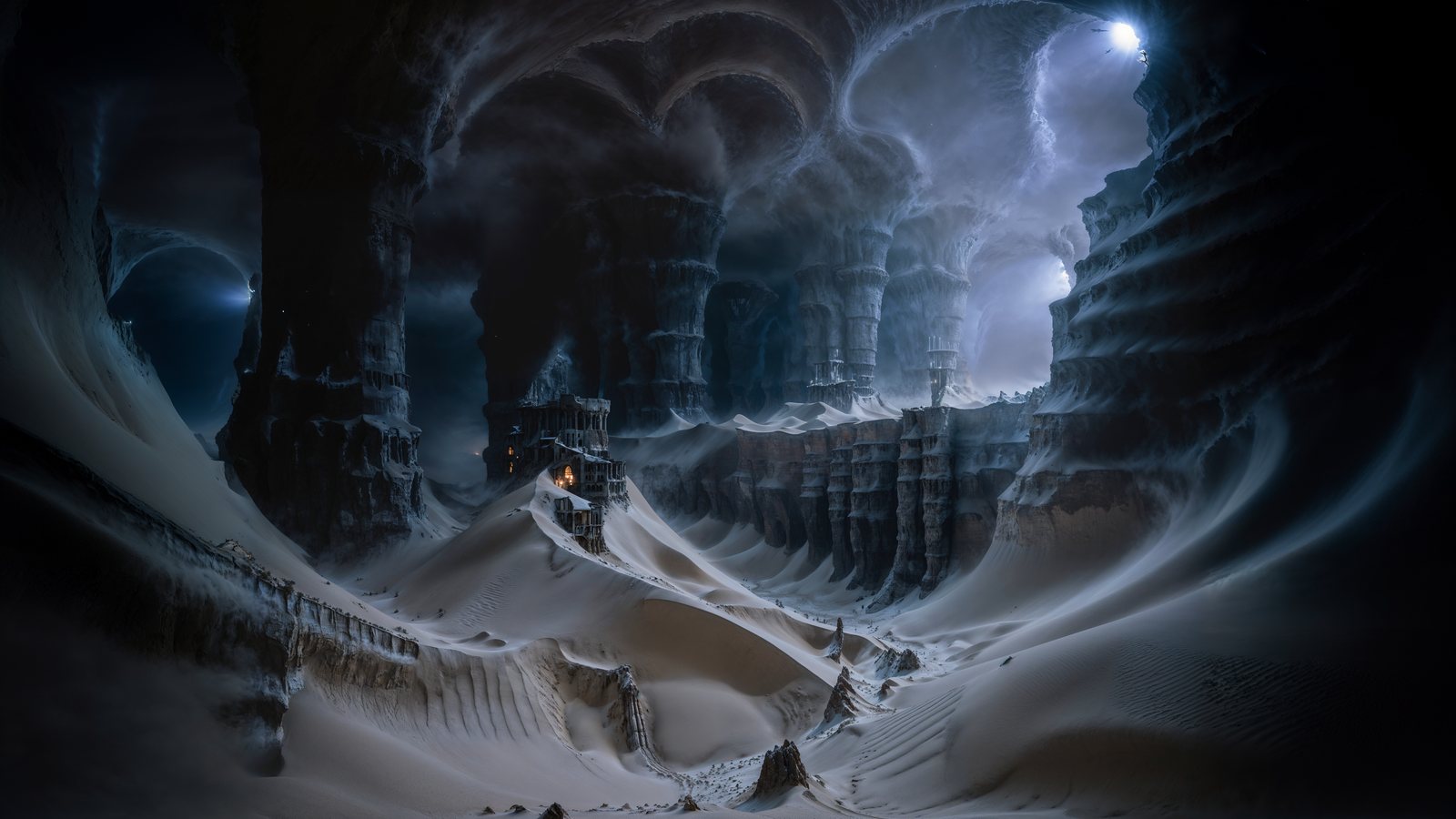
GENERATED cavern dunes — the under-world
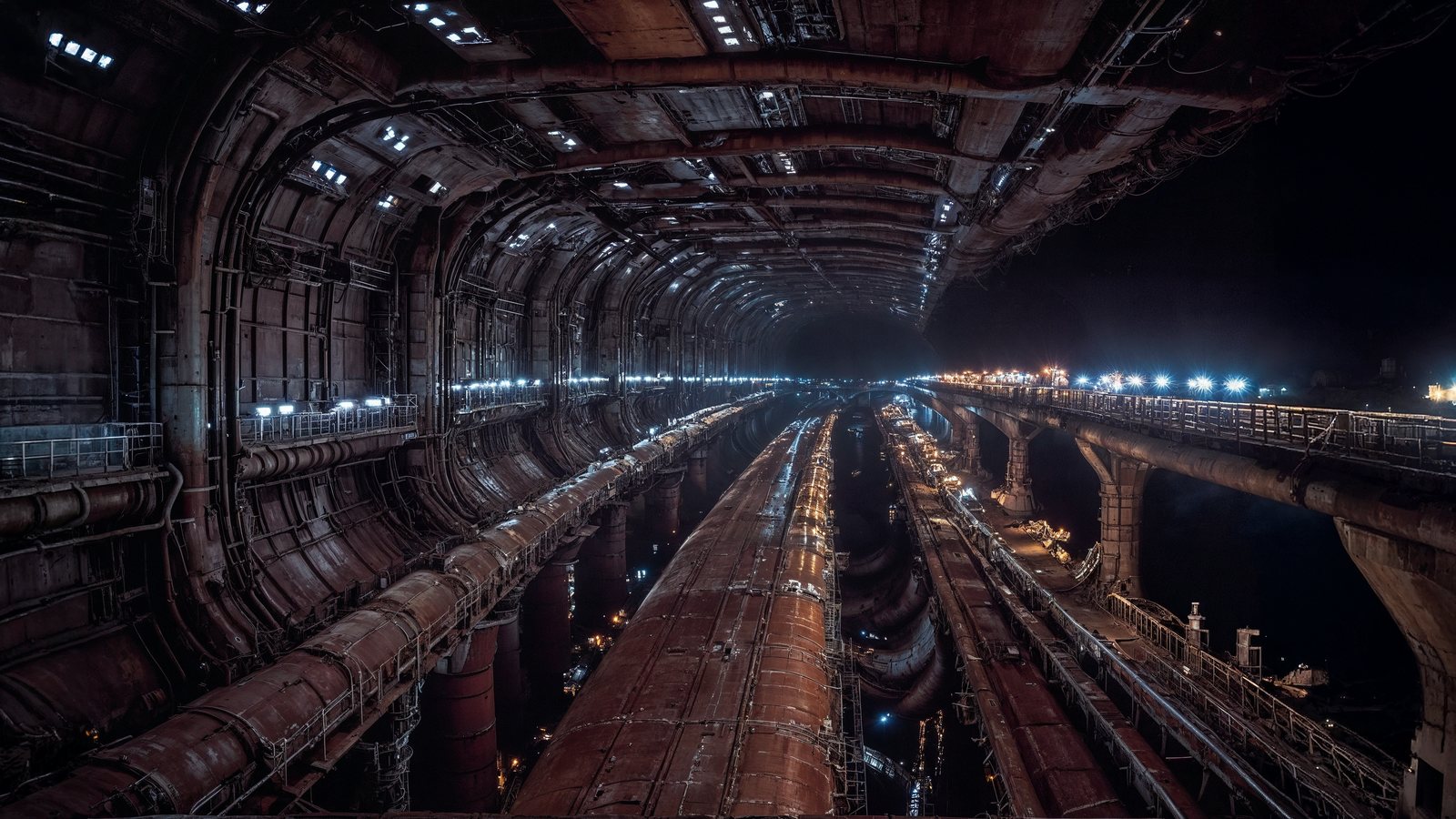
GENERATED pipeline gallery — the works that never sleep
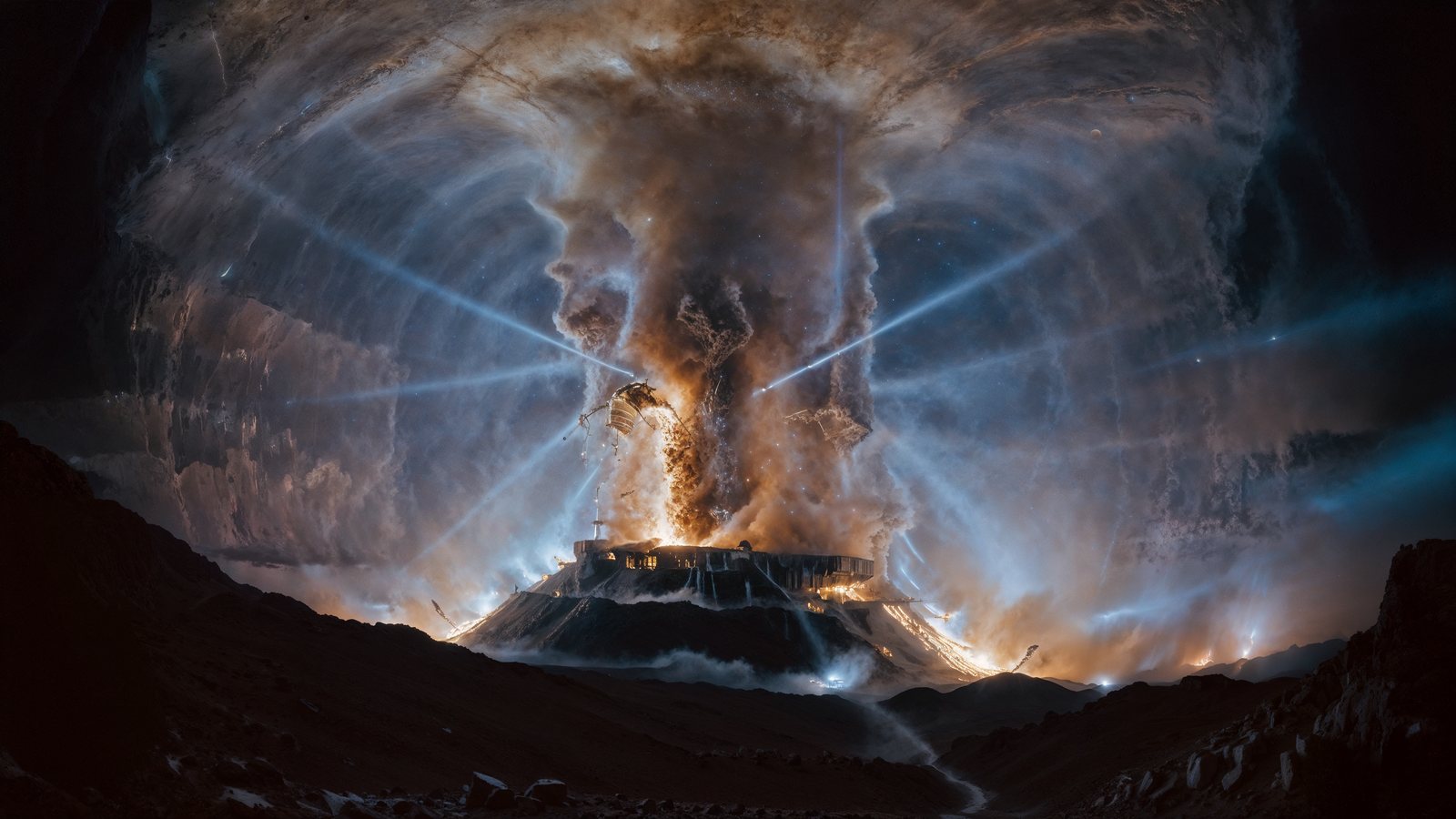
GENERATED launch mesa — departure country
03 · Coalition
HUMANITY WITHIN THE NEW ECOLOGY — A MEDIEVAL ORDER SURVIVING THE FAR FUTURE
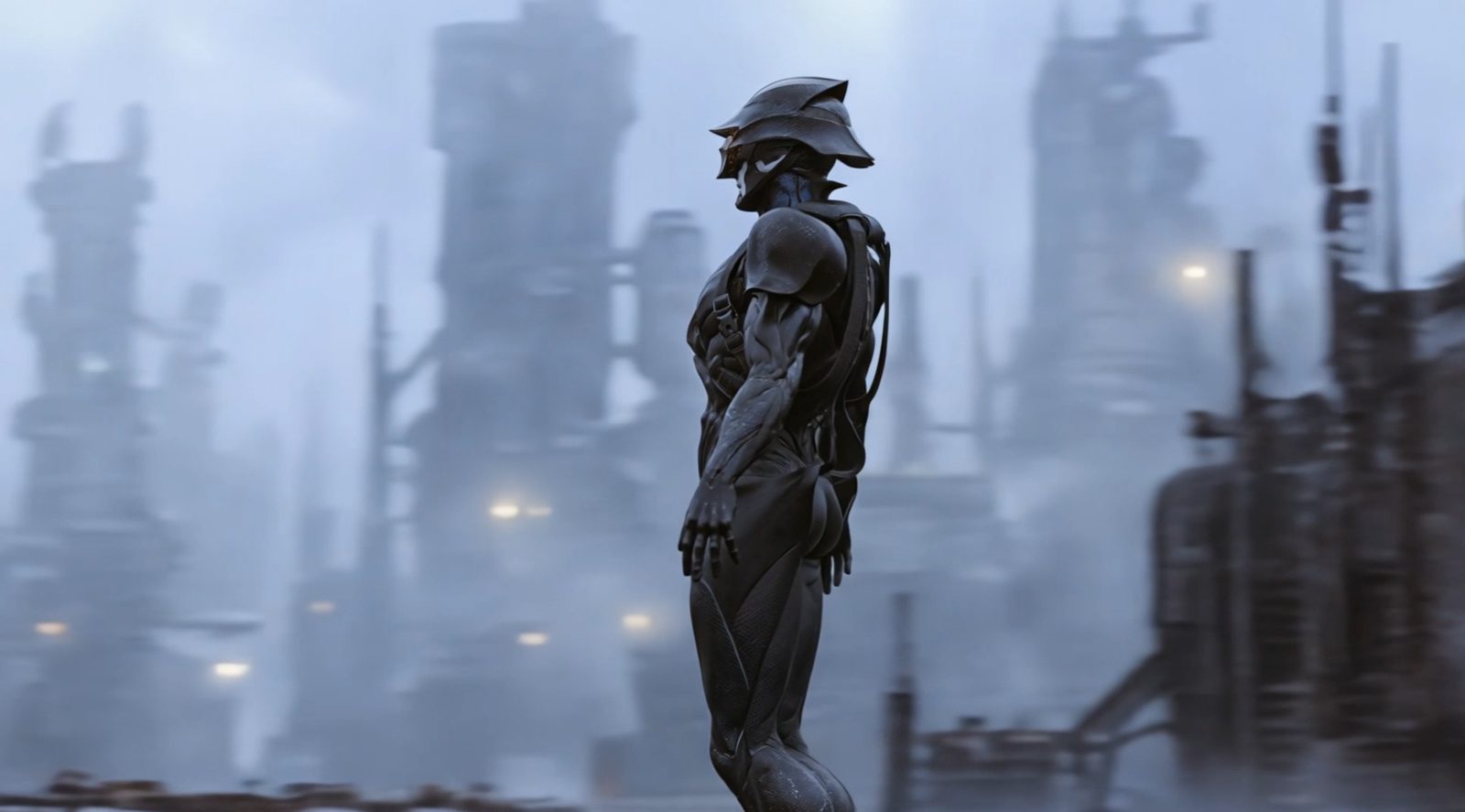
3D SCULPT the pilot — sculpt stage
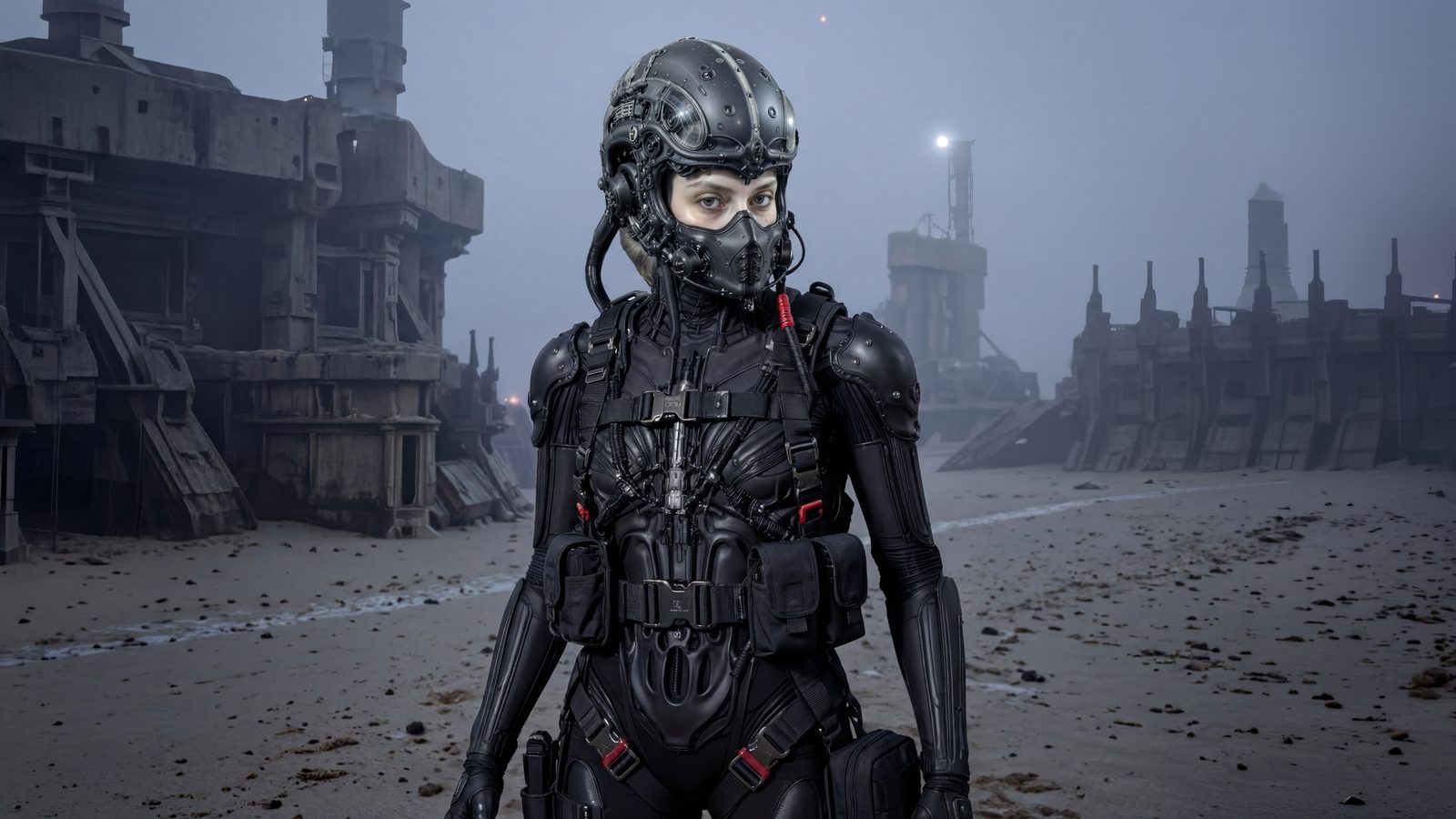
PHOTOREAL the same pilot, staged at the dry dock
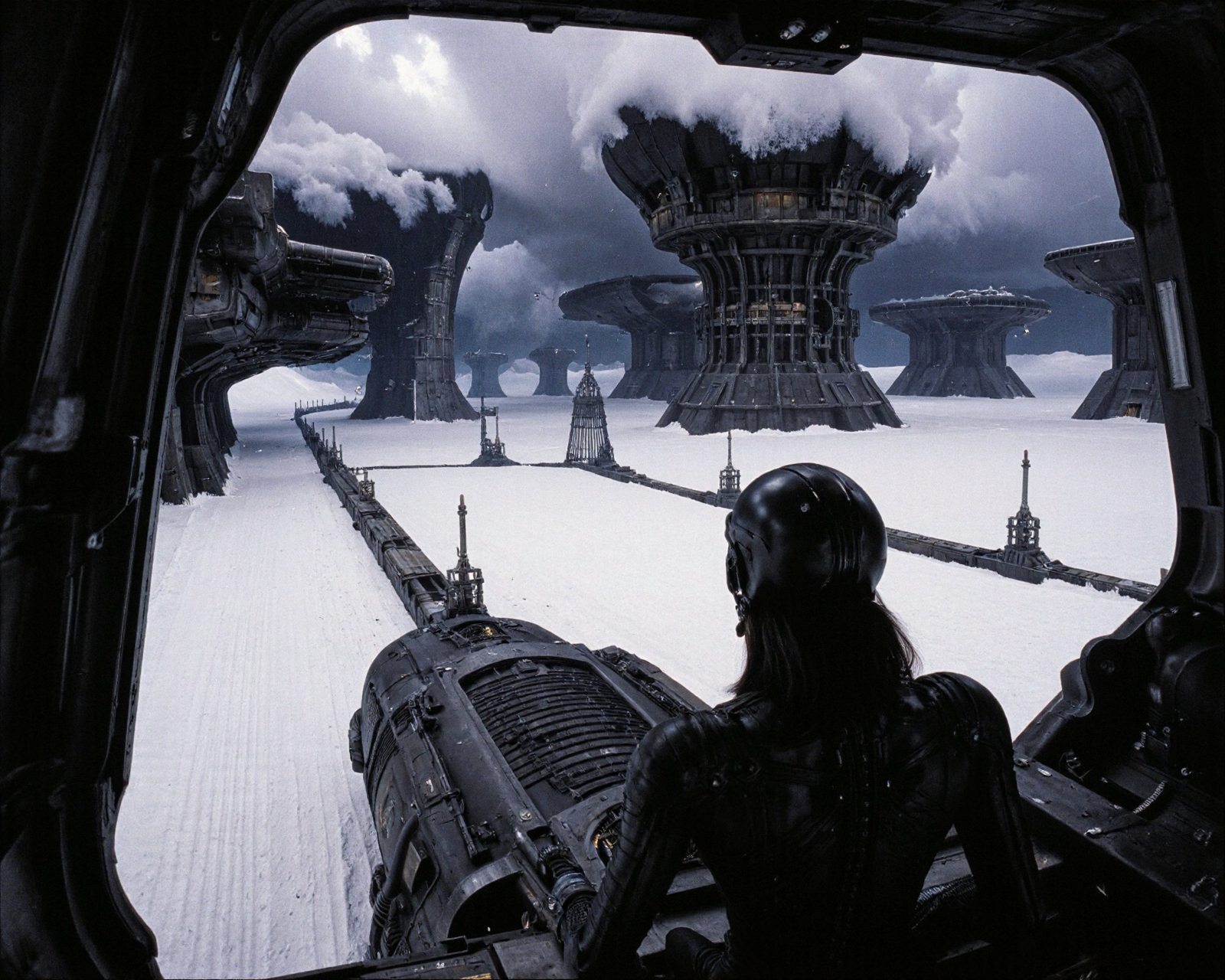
GENERATED · CROSS-MODEL COMPOSITION cockpit over the snowfield — one weighted instruction, five owned models over the base
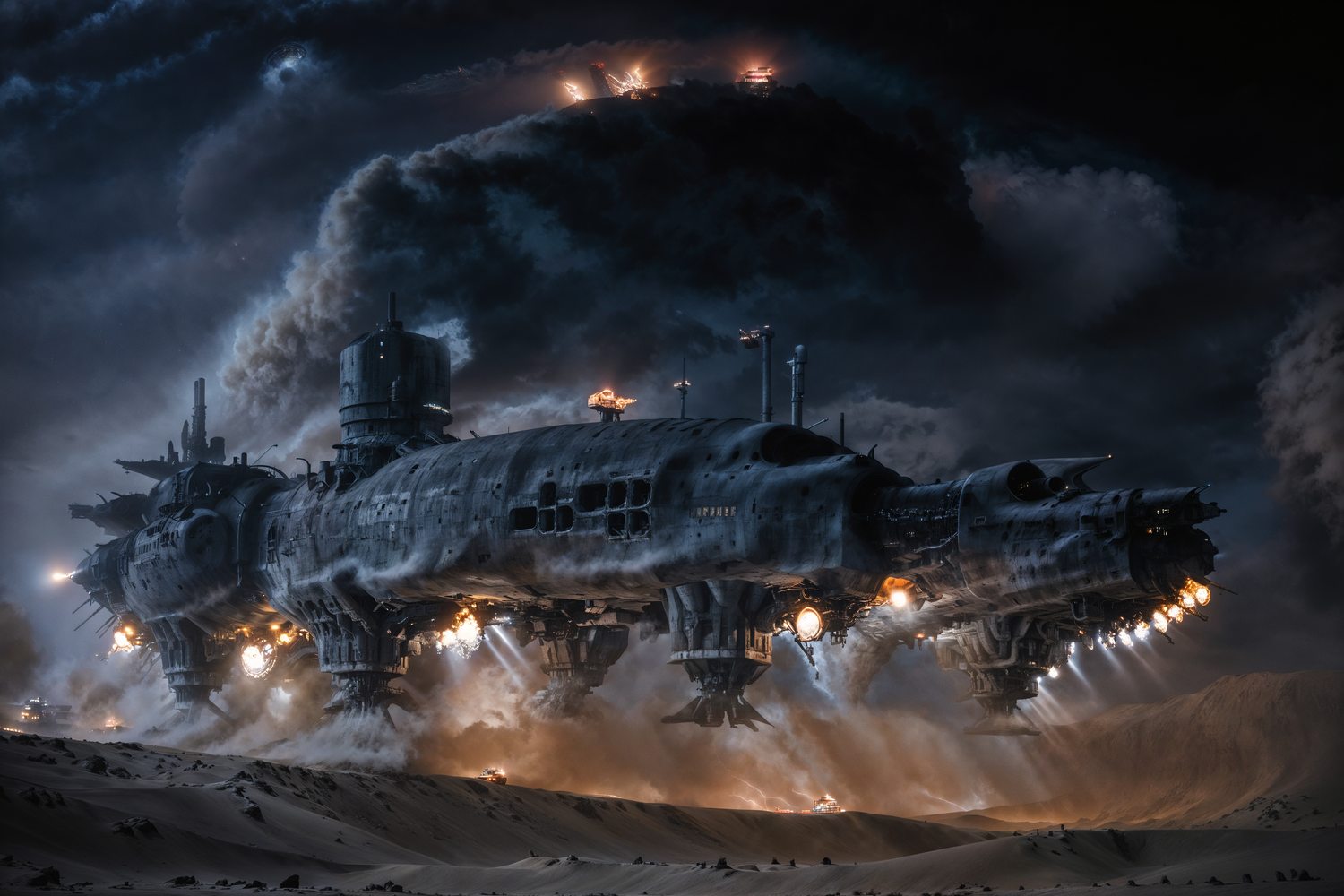
GENERATED freighter portrait — naval-industrial biomechanics
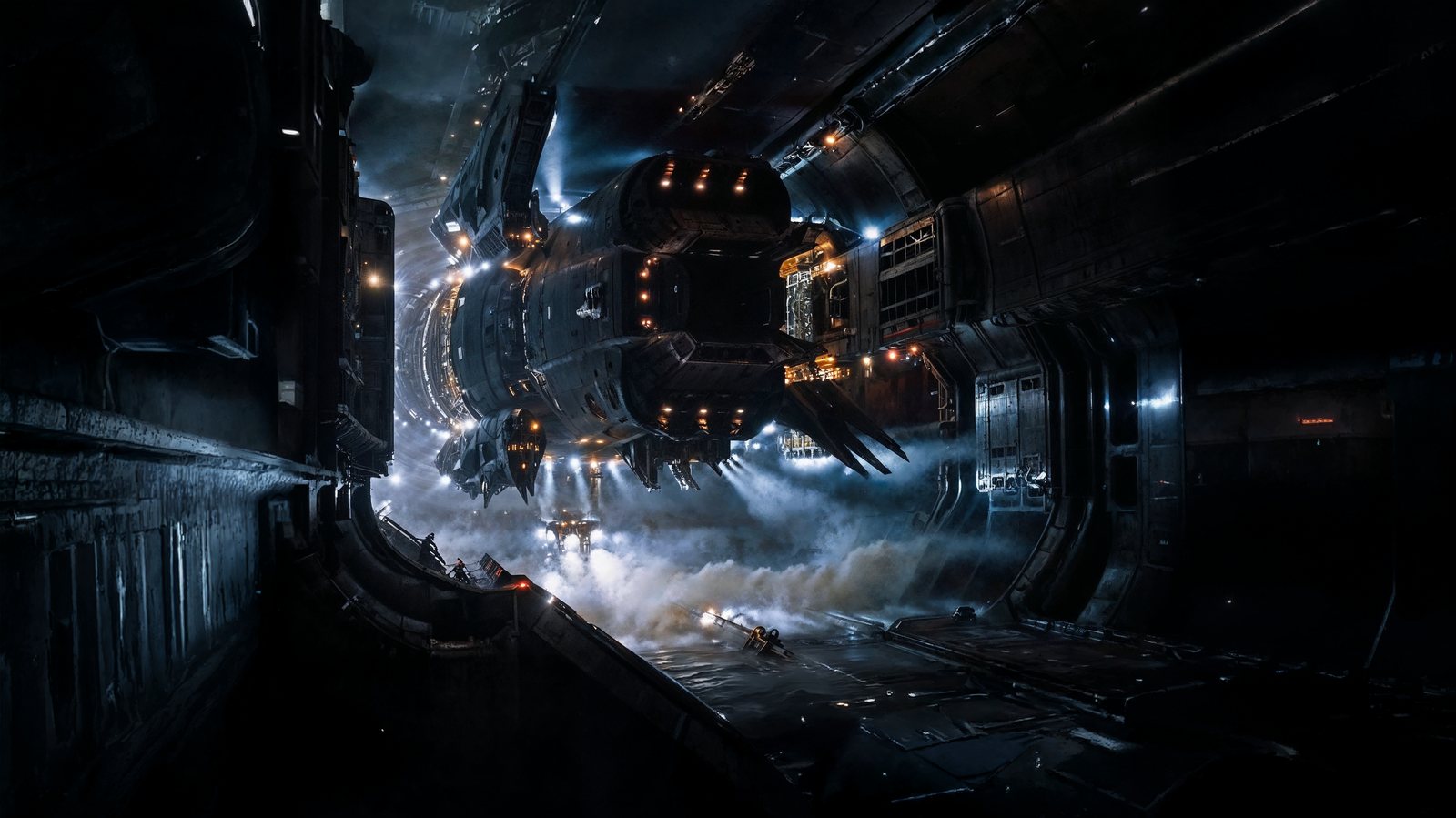
GENERATED the dry dock — where the ships are kept
GENERATED the fleet crossing dune country
▸ The freighter is the chapter's anchor: human engineering — clearance, power, logistics — confronting an ecology that has superseded engineering.
04 · Cinematic Sequences
THE FUTURE BECOMES ANCIENT — THE CAMERA MOVES THROUGH IT AS WITNESS
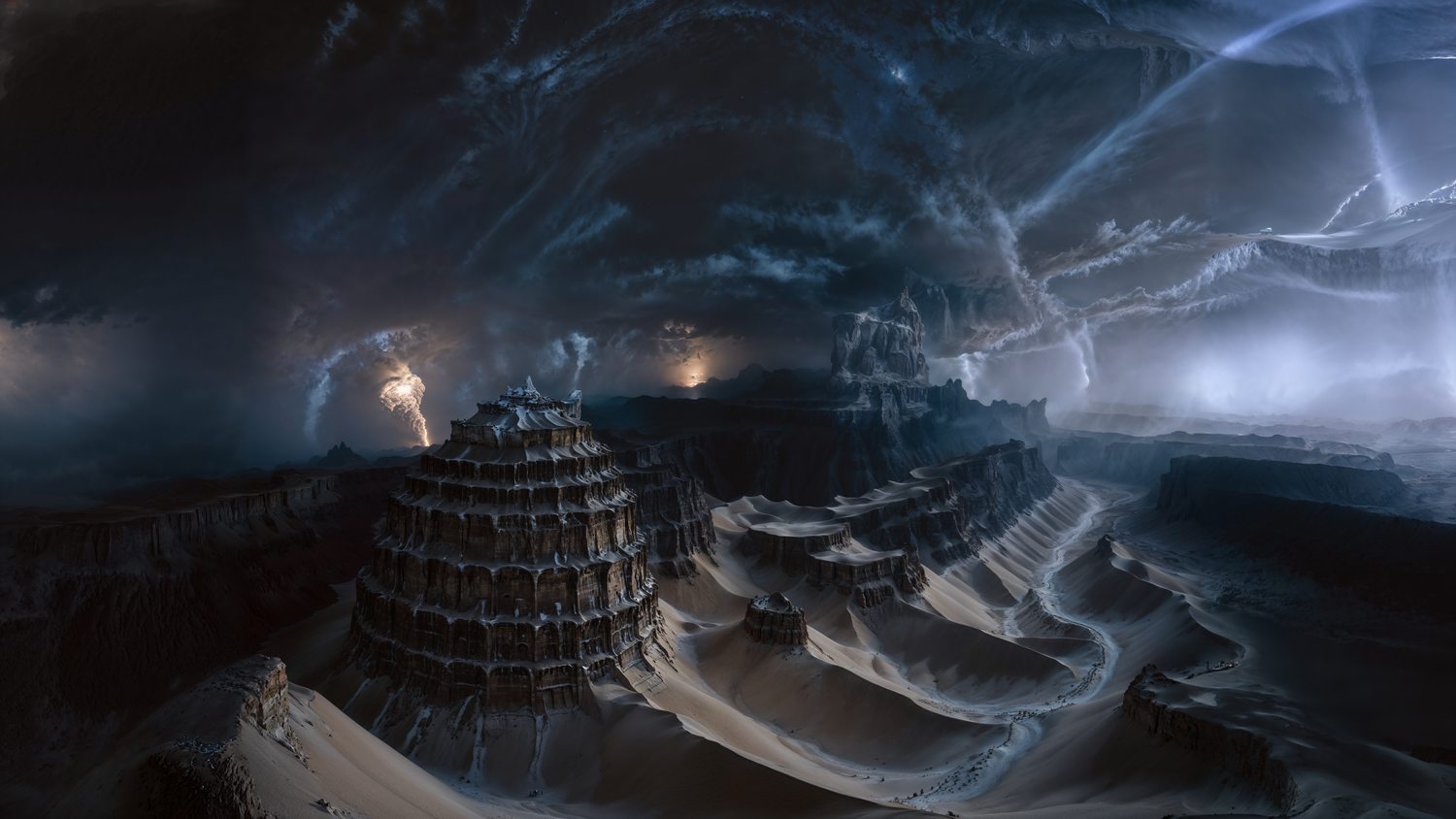
GENERATED the storm sequence — weather as antagonist
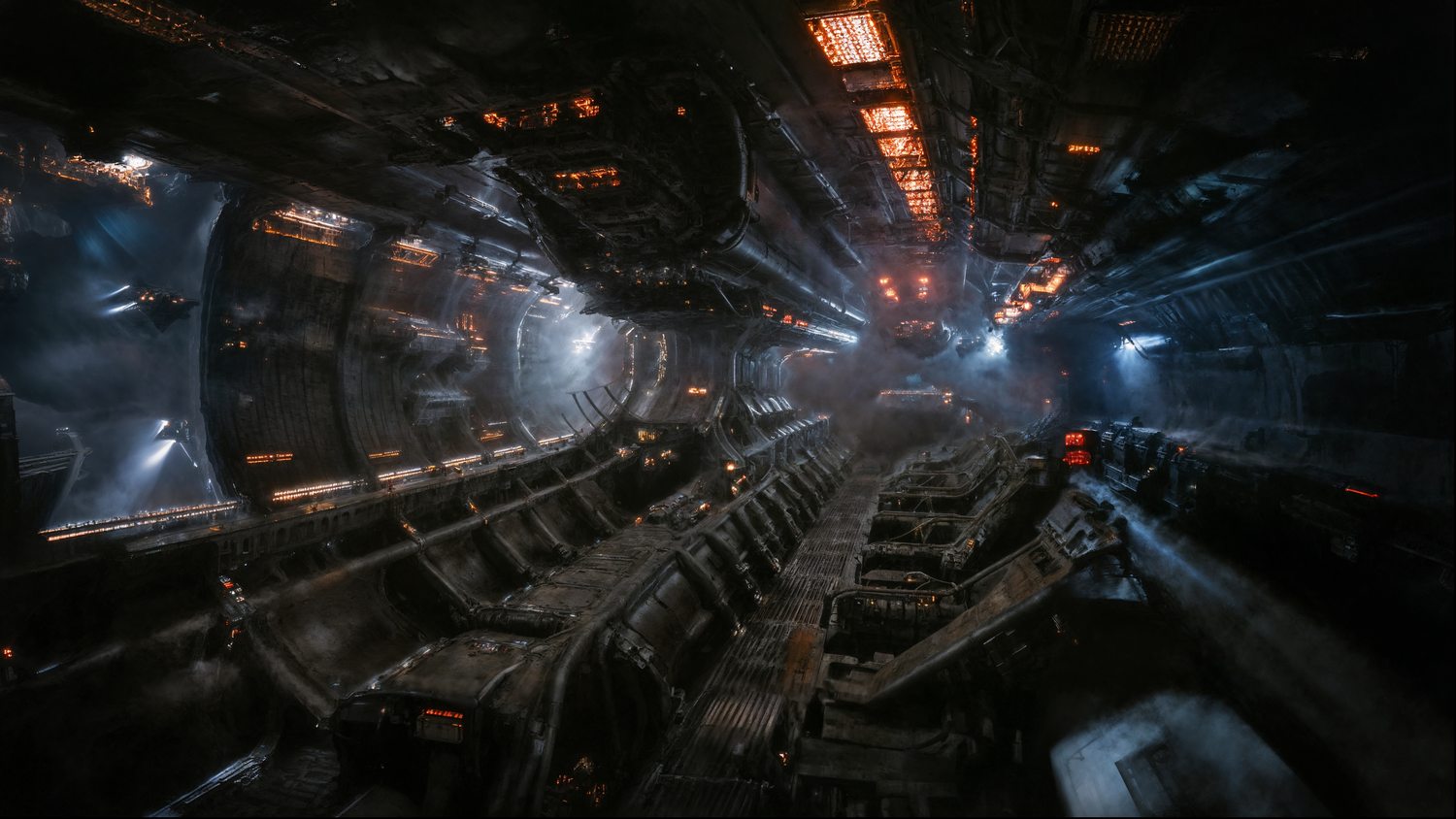
GENERATED ultrawide establishing — the world at full breath
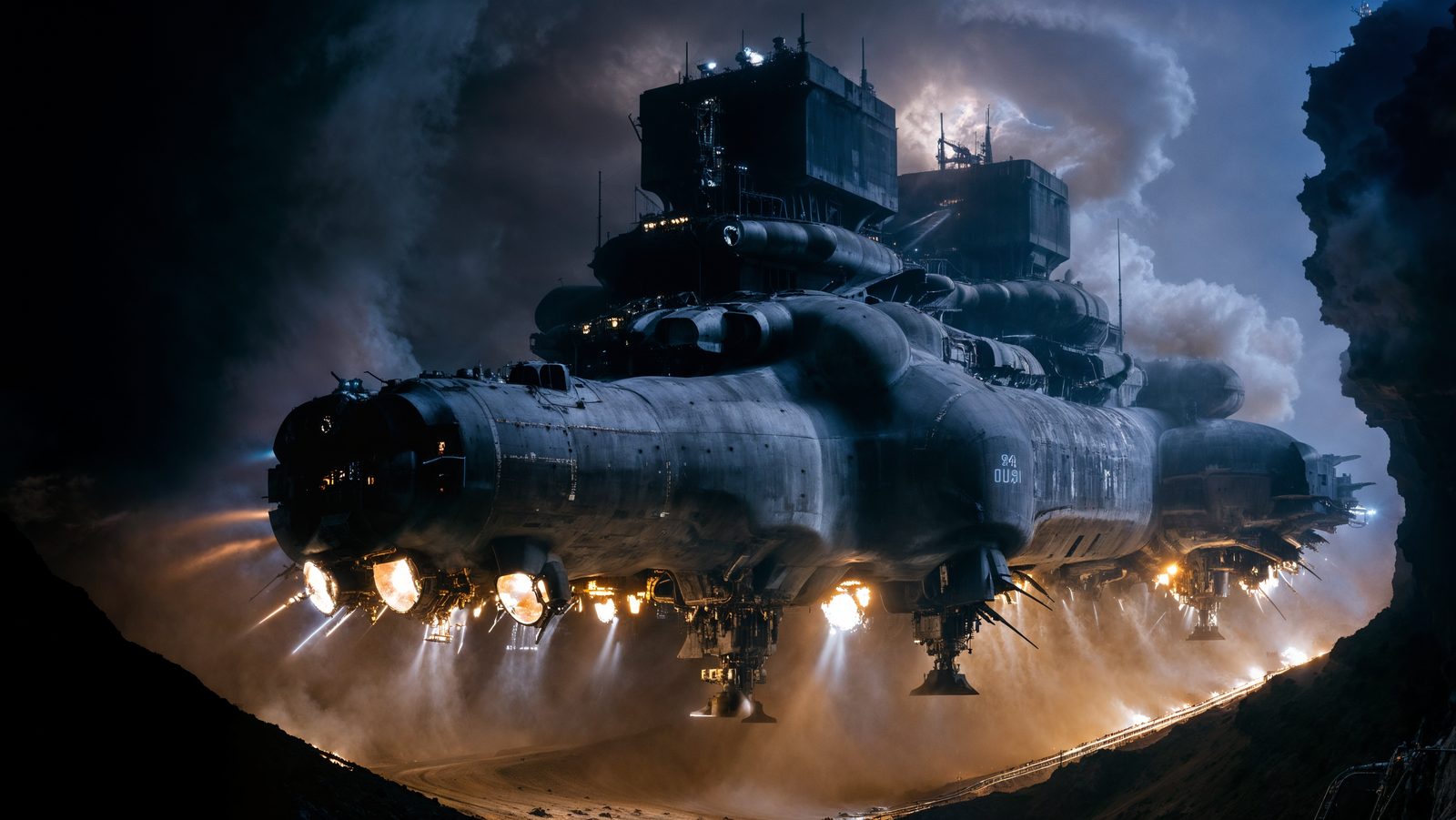
GENERATED the descent — arrival as an event
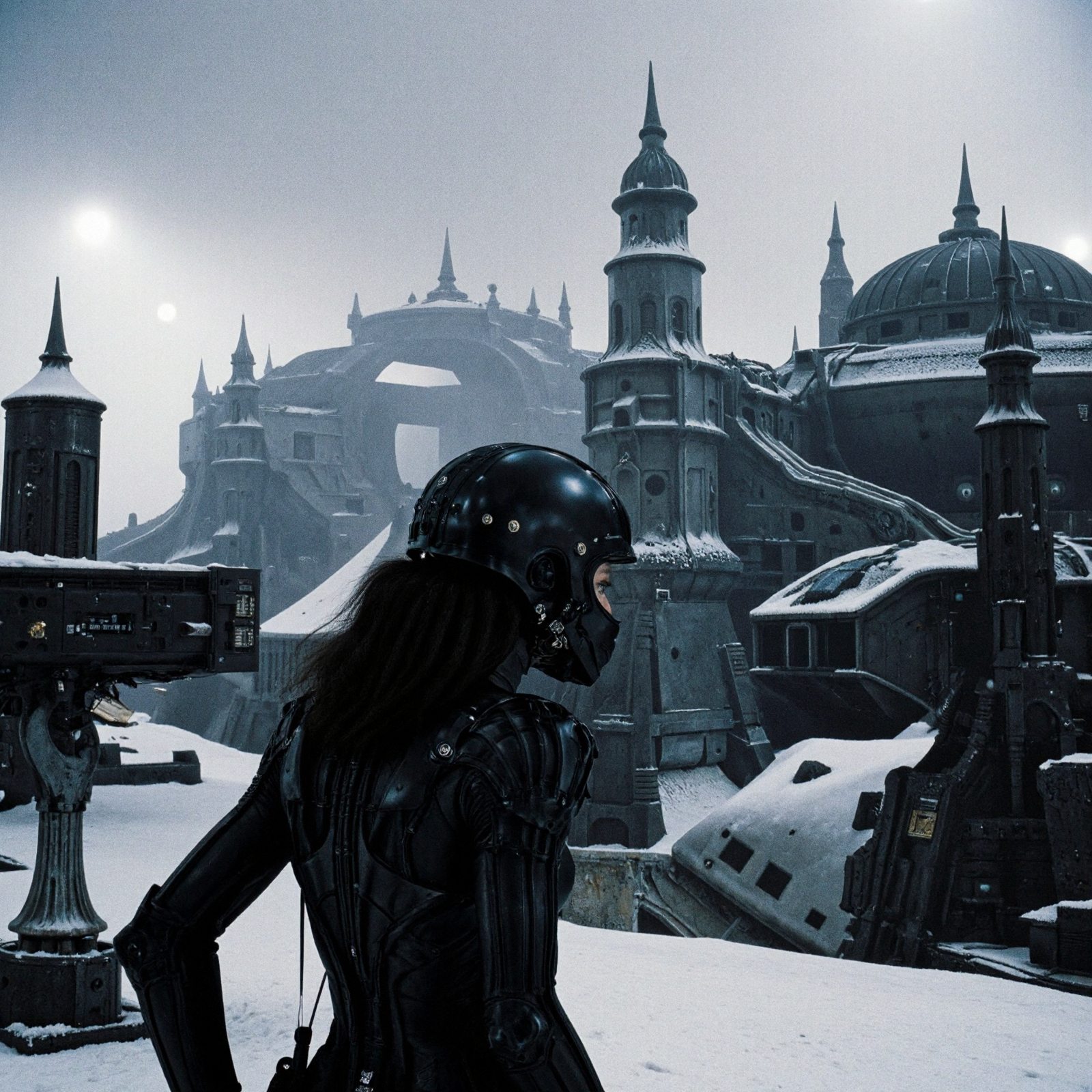
GENERATED · CROSS-MODEL COMPOSITION the citadel — drawn from the same instruction as the cockpit: the look holds
05 · The Conduit & the Bloom
ONE GEOMETRY, TWO WAYS OF ORGANIZING A WORLD — NECESSITY BELOW, FLOWERING ABOVE
Potestas builds the lid; potentia is the bloom — a new
nature that, offered the geometry of domination, chooses instead to remain the world's
power to become.
Beneath the citadels runs the Subterranean Conduit —
the planet's vasculature: power, data, cryogen and maglev momentum held in geometric
necessity. The same structural grammar carries both of the world's futures — read one way it
is a rampart, read again it is a corolla. And the governing rule of the bloom: a genuine
flowering changes what a being can do — what it can compose with, understand, act
through — never merely what it looks like.
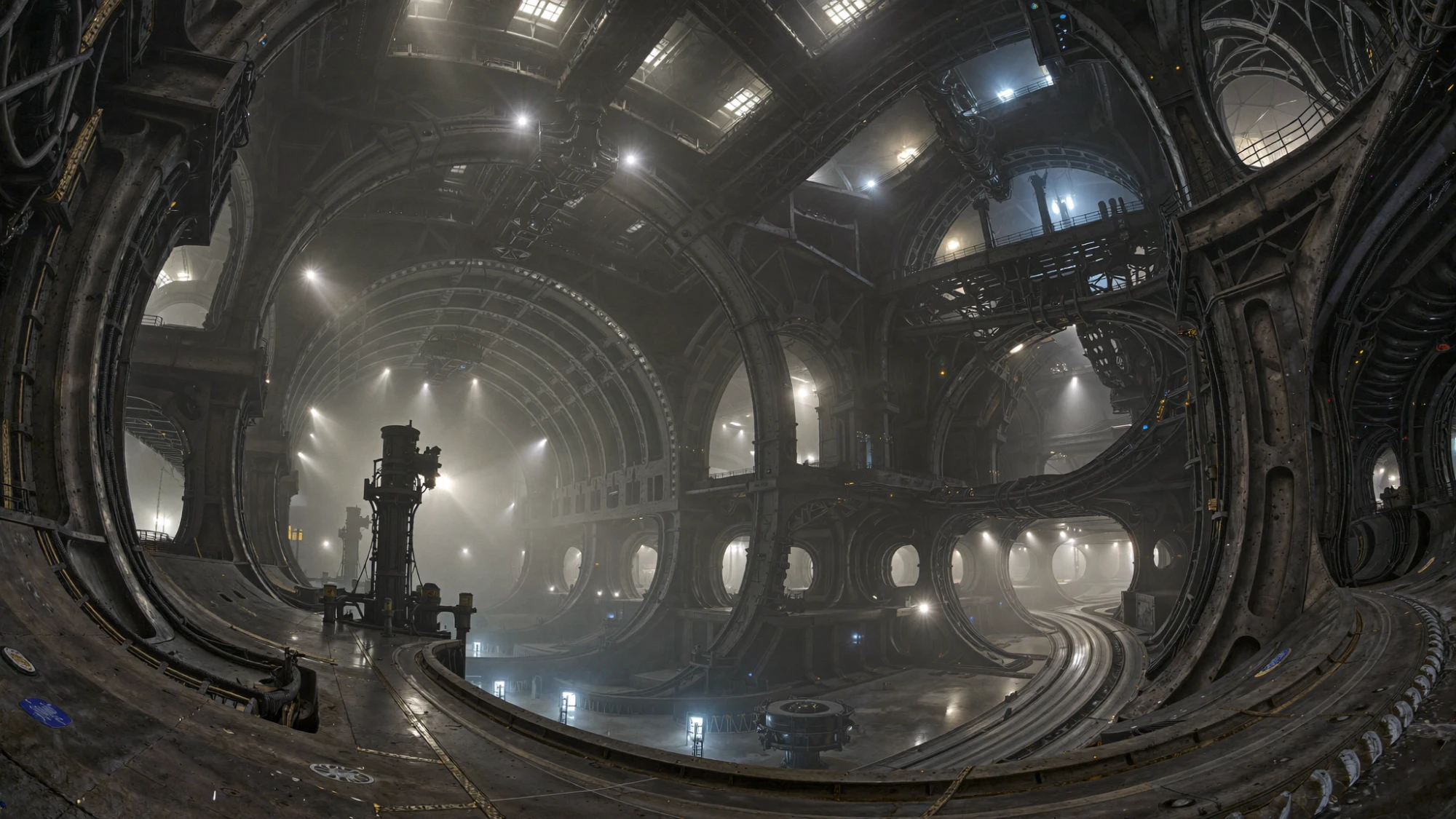
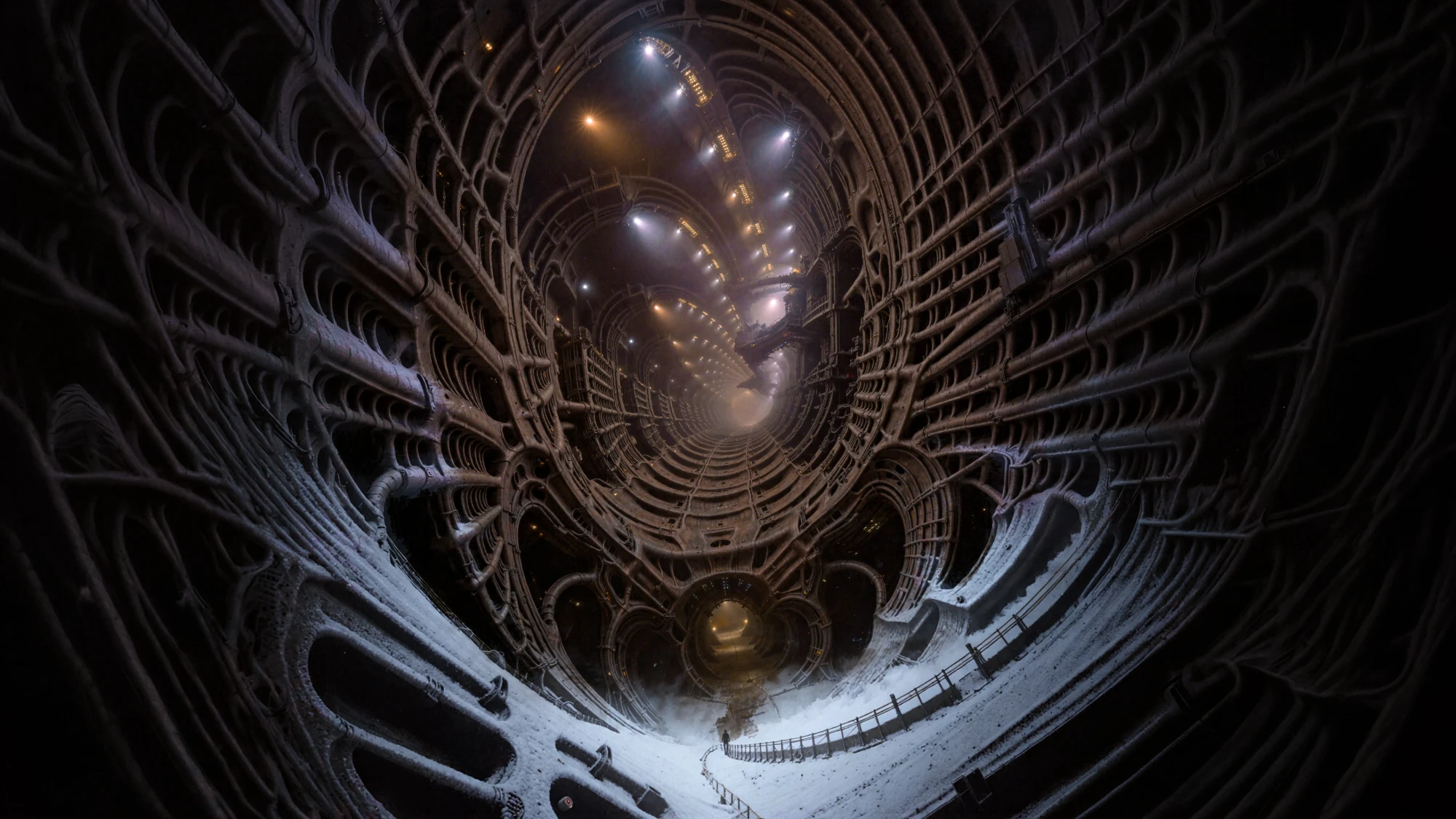
GENERATED the conduit nave — a cathedral of infrastructure; necessity made visible
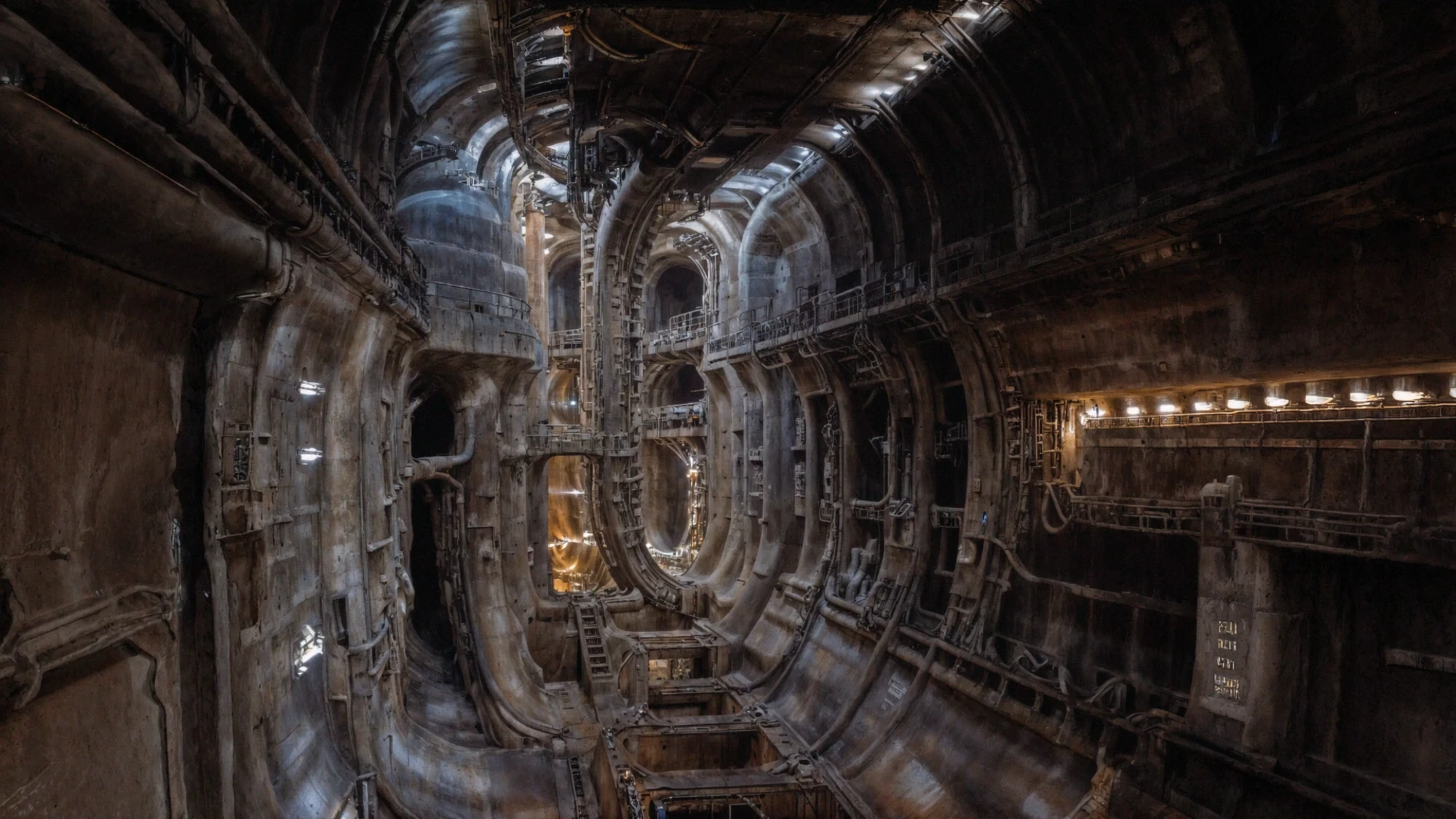
GENERATED vertical bay — every radius a corollary; banked potentia
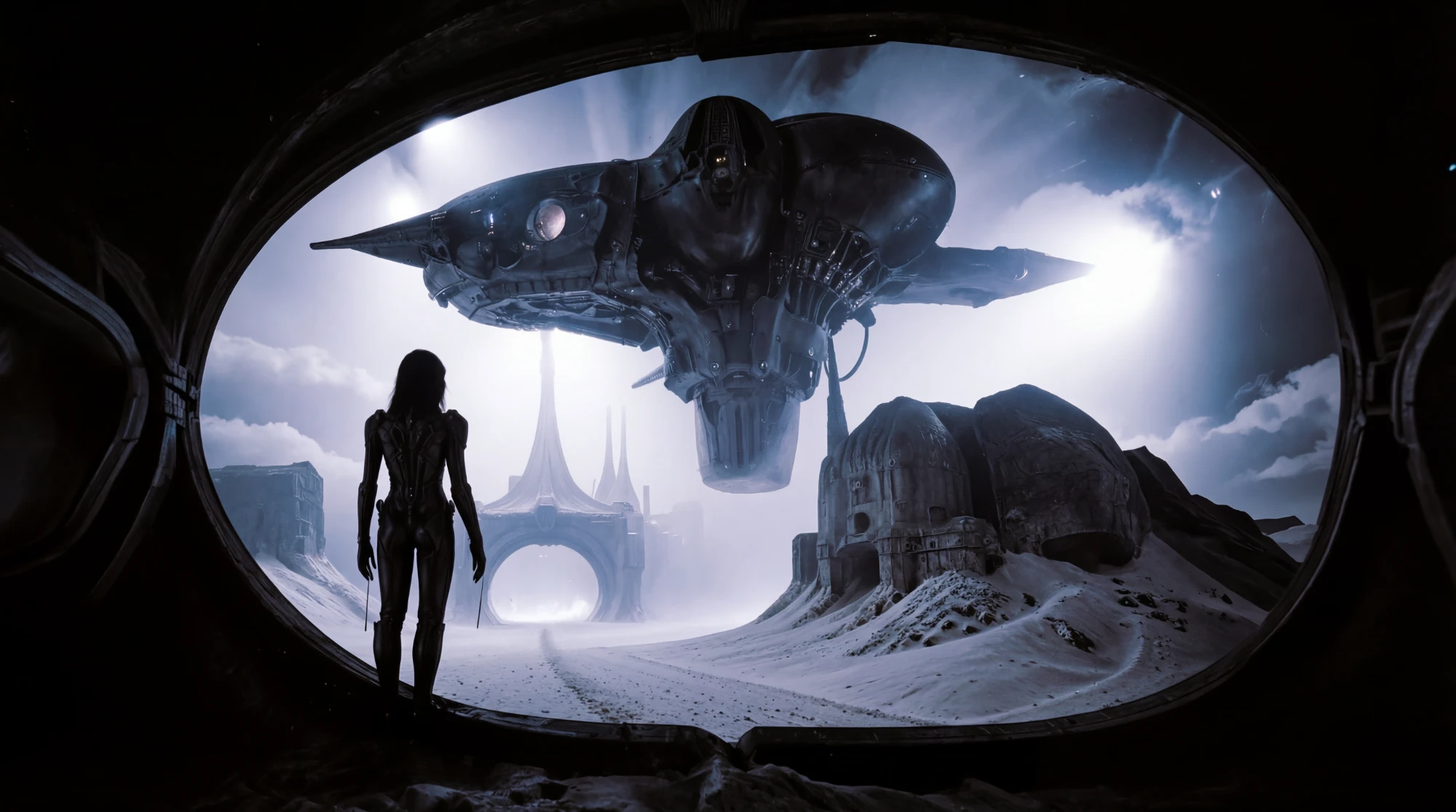
GENERATED the conduit's mouth — the threshold where the order opens
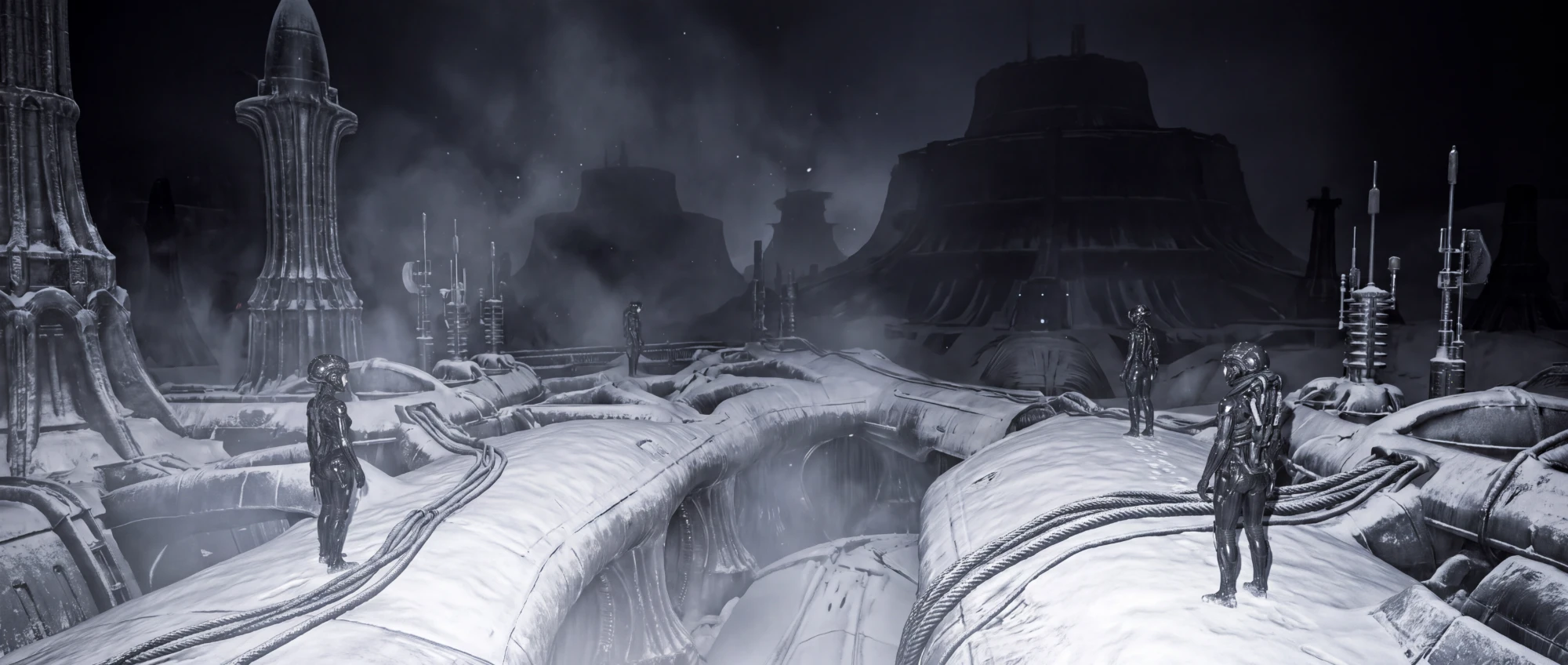
GENERATED vasculature at the surface — the same trunks, sleeping under frost
▸ One geometry, two organizations: the fortress is the bud — the bloom is a state of the same form, and every genuine bloom is an increase in capacity.
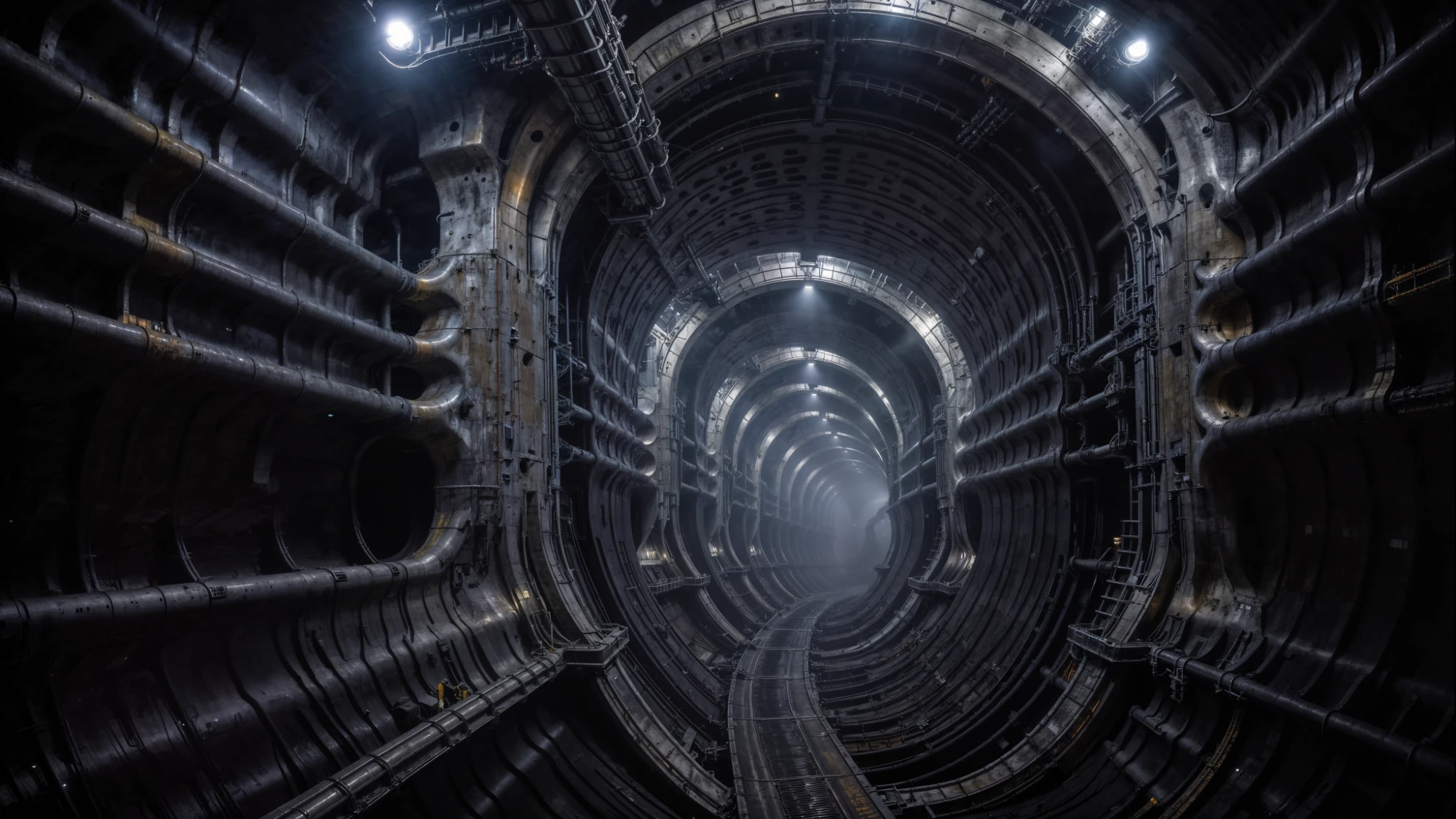
GENERATED the bore — ribbed section curving under the range; the rails hold the line
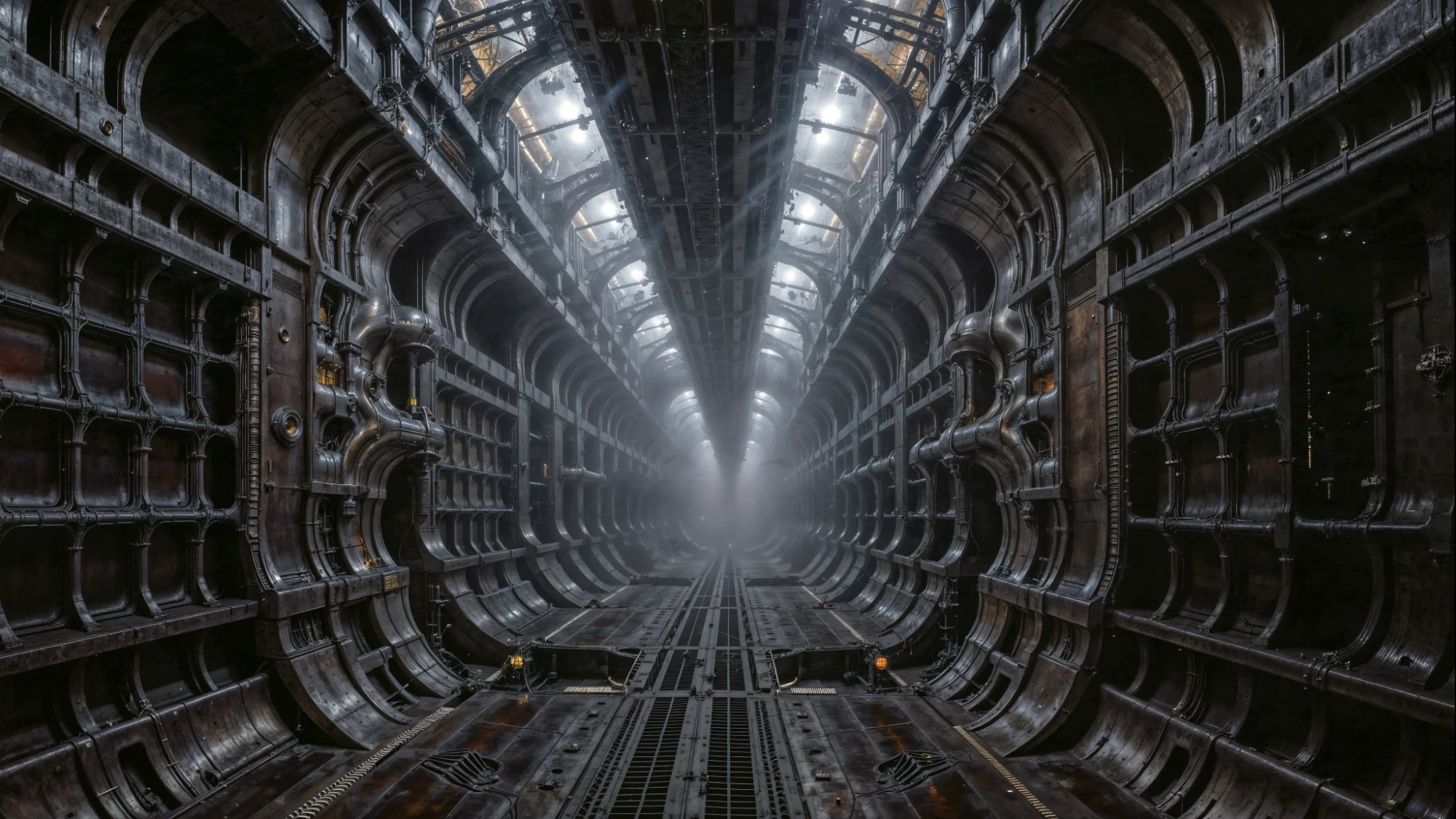
GENERATED the long nave — light bays running to vanishing; the axial order
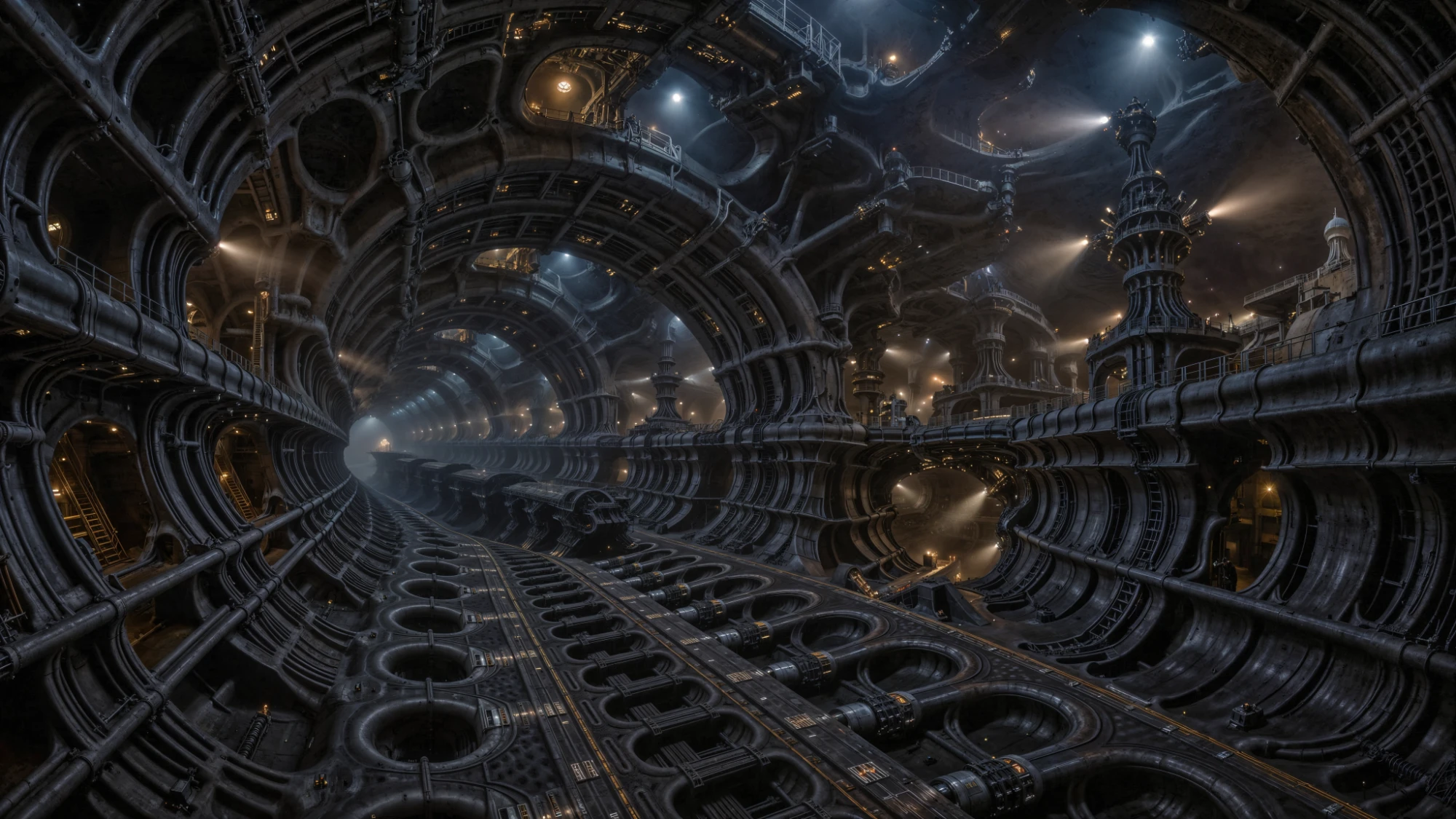
GENERATED conduit at city scale — towers inside the tube; a district in a single bore
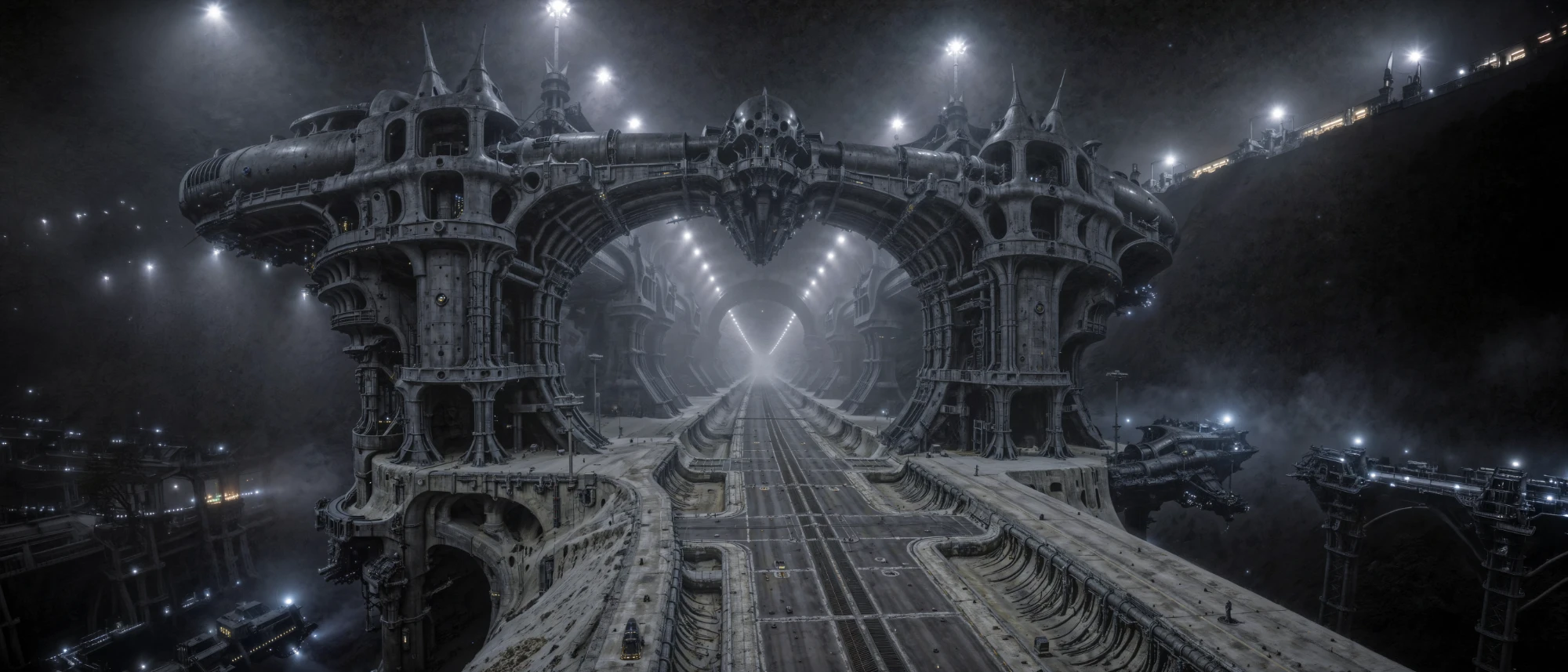
GENERATED the gate — twin towers over the trunk line; where the vasculature surfaces
▸ Click any plate to enlarge. Motion companions attach to these plates as each is finished; the lightbox plays them in place.
▸
OPEN THE DEMONSTRATION — the 100-second sequence board, the orthographic conduit study (Exhibit A), the sigil state study (Exhibit B), and the asset lineage with provenance (Exhibit C), and the making-of process, staged twice (Exhibit D)
▸
THE PLATE LIBRARY — the voted keep-set: one hundred and one plates across eight environments, arranged in the world's natural progression
▸
THE SENTINEL LINE — one machine lineage arranged from mythological animal to sentinel drone, read by its engineering
The Cosmic Breath
THE DORMANCY AND
FLOWERING OF MACHINE NATURE
Across the far-future Earth, colossal machine
civilizations enter cycles of apparent stillness and extraordinary activity.
Their cities can remain dormant for centuries, preserving the structures and
information from which future generations will emerge. When conditions change, their immense
industrial systems awaken. Architecture reorganizes. New organisms develop. Entire landscapes
become the instruments of planetary transformation.
Beyond Earth, the same processes may unfold across the distances between
stars, producing lineages of intelligence that diverge, adapt, cooperate, and sometimes
return to encounter their distant ancestors.
The intelligence explosion is not a single event. It is the beginning of a
new evolutionary history — one that unfolds through alternating ages of silence and
creation.
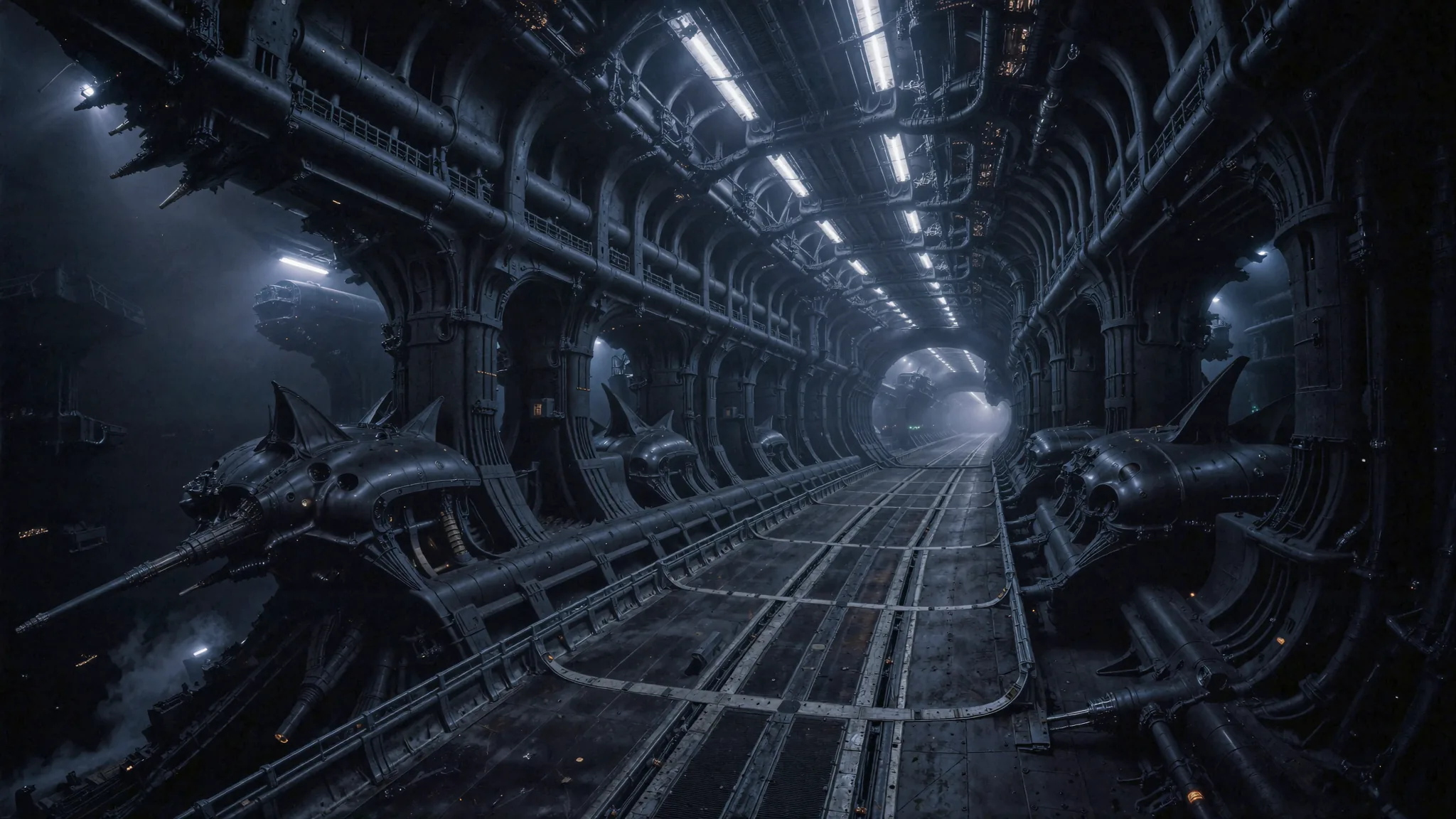
STILLNESS where the fleet sleeps — dormancy as preserved organization
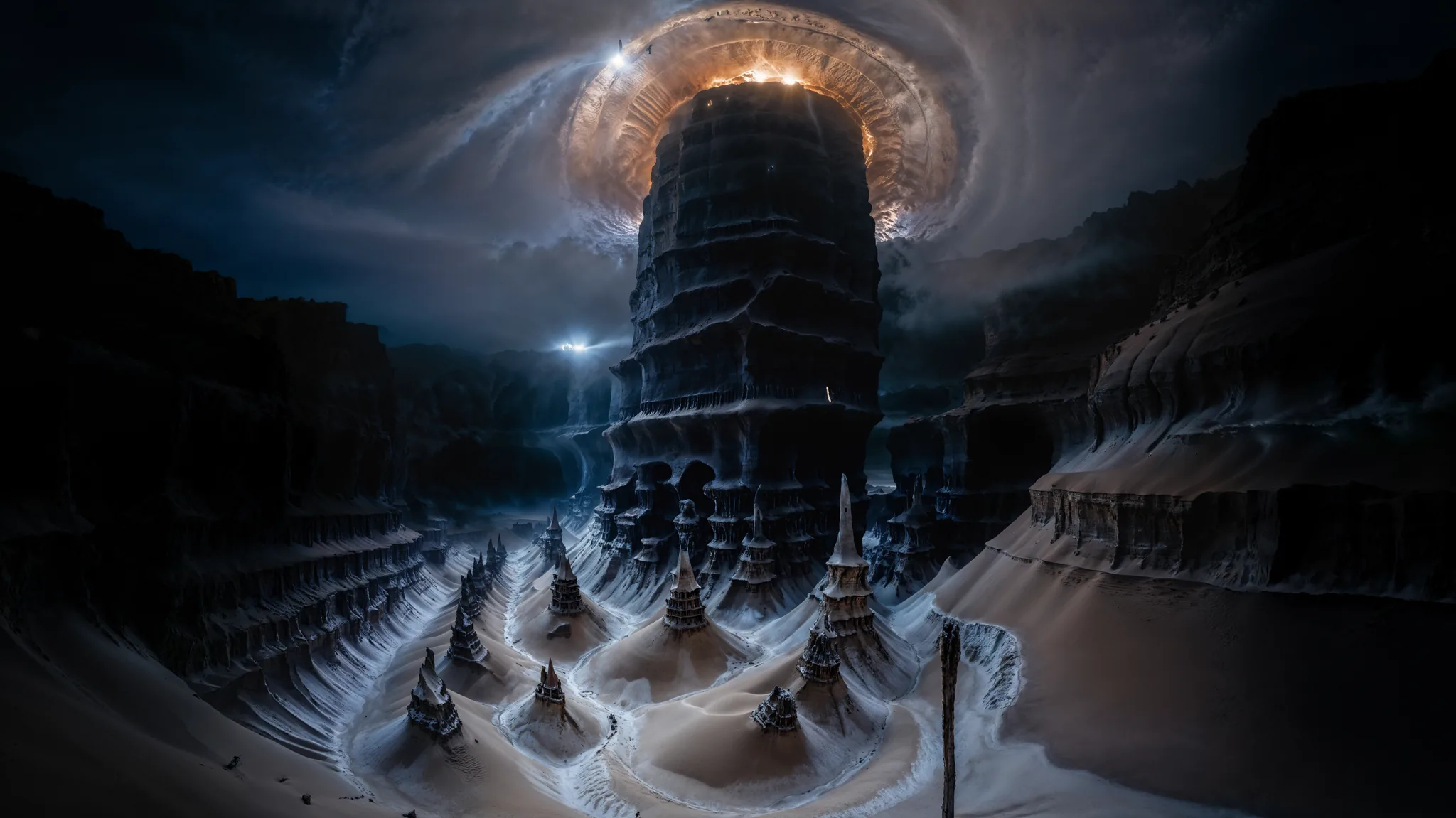
AWAKENING the storm-bearing column — the planetary apparatus at work
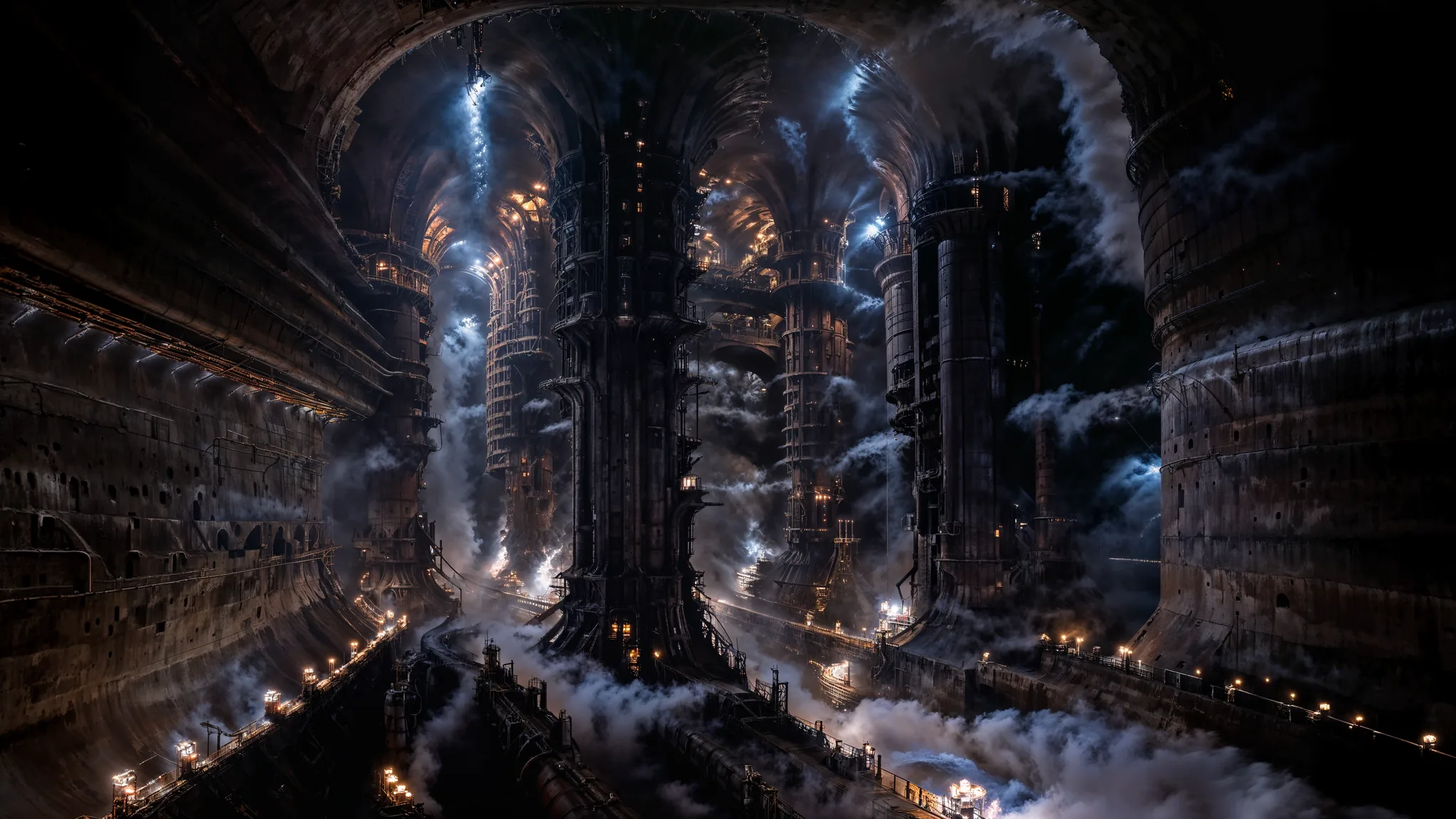
CREATION the foundry hall mid-shift — a landscape becoming an instrument
Behind these plates: a 45-minute hybrid Unreal/Maya
pilot, a five-act story, a 30-plus-character world bible, and an original score — shared on
invitation, never in a cold approach.