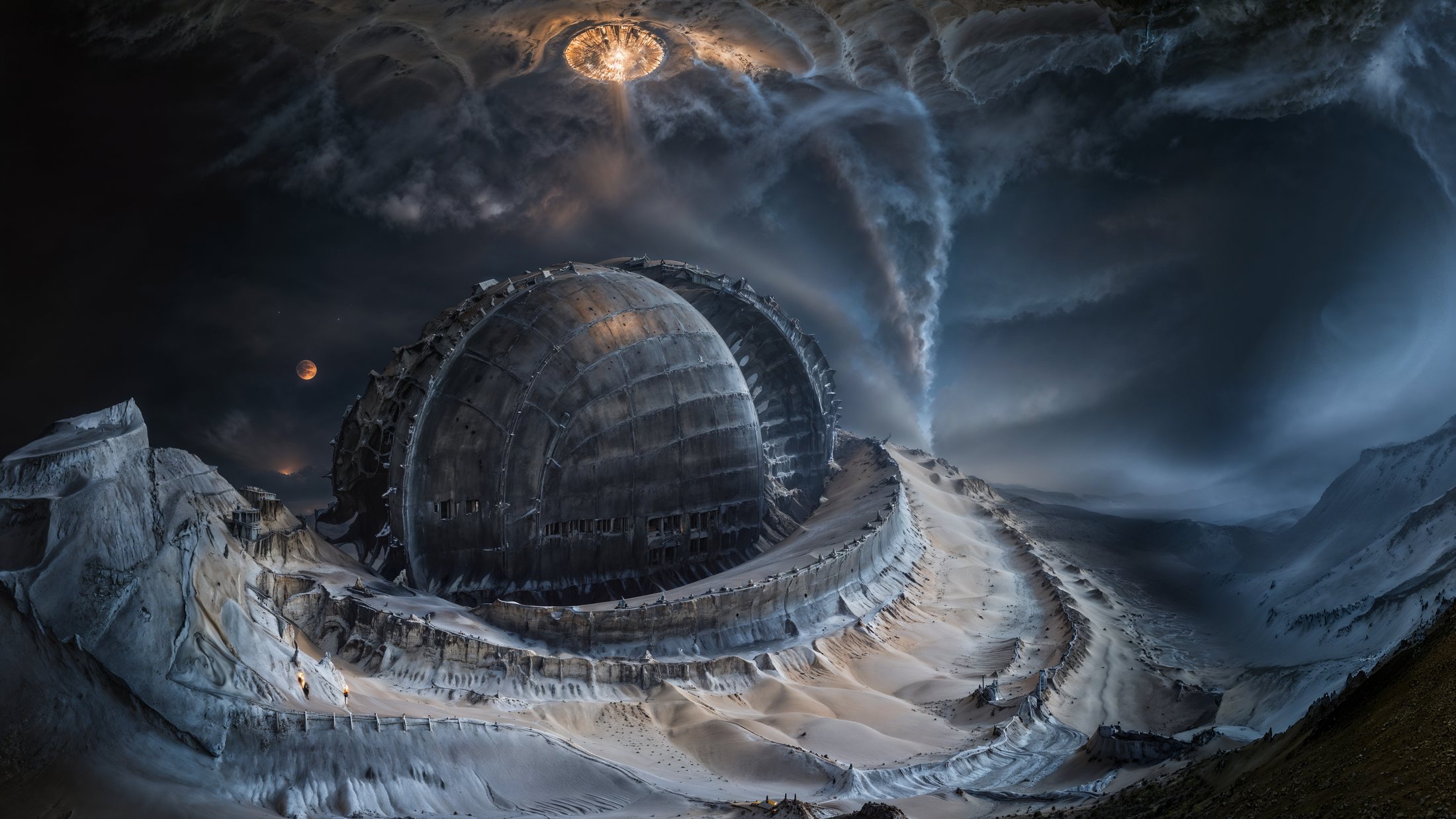
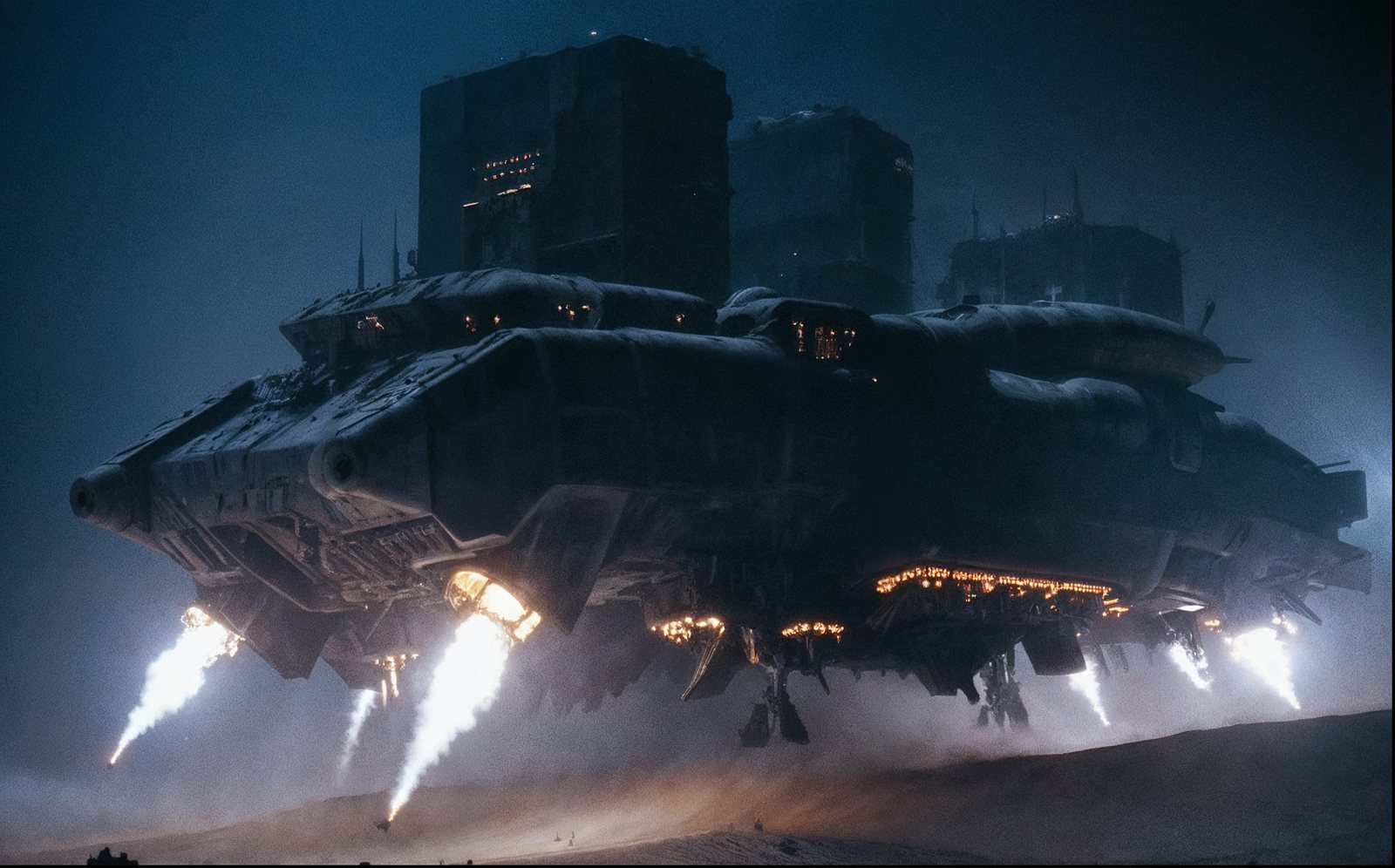
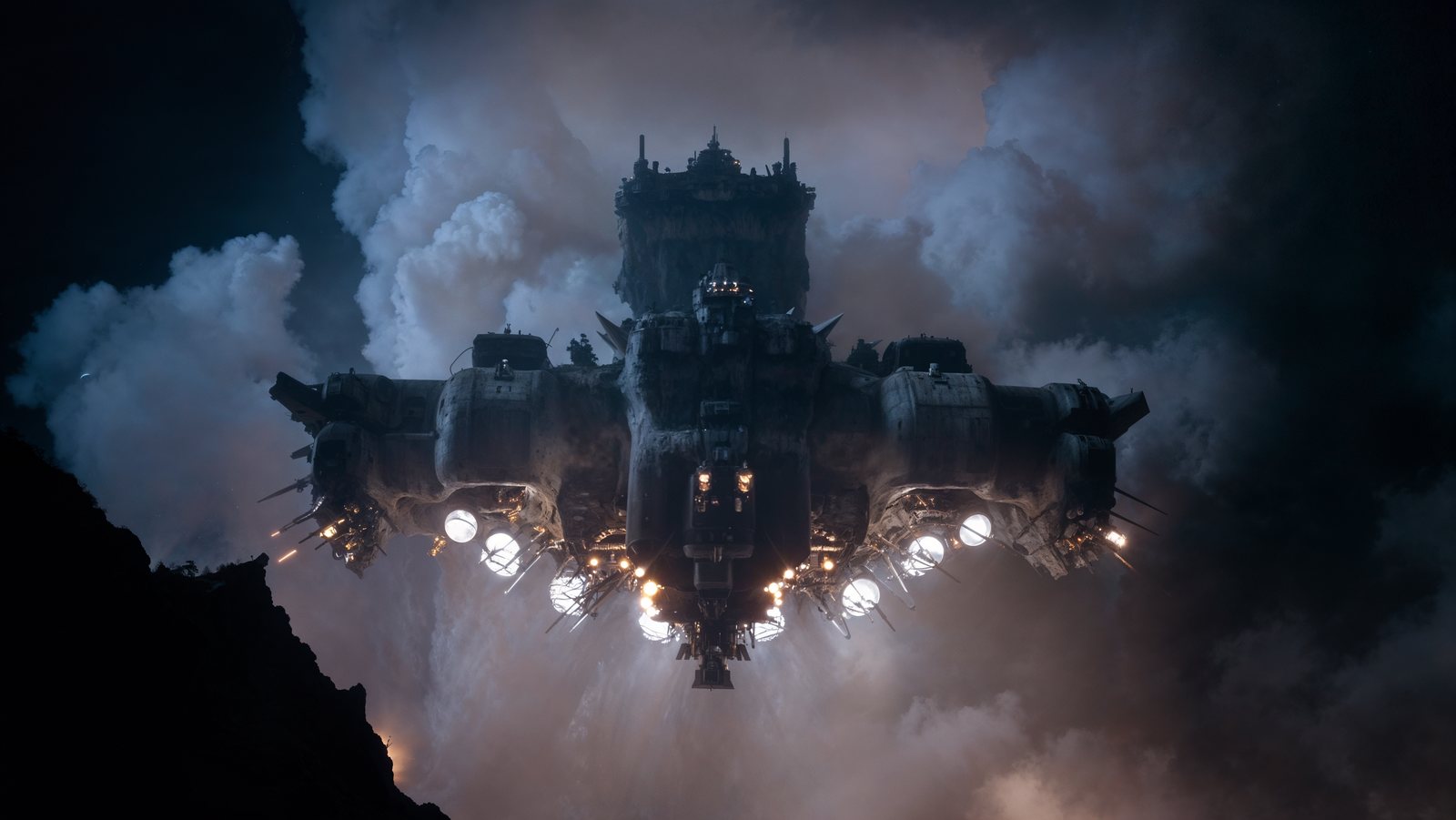
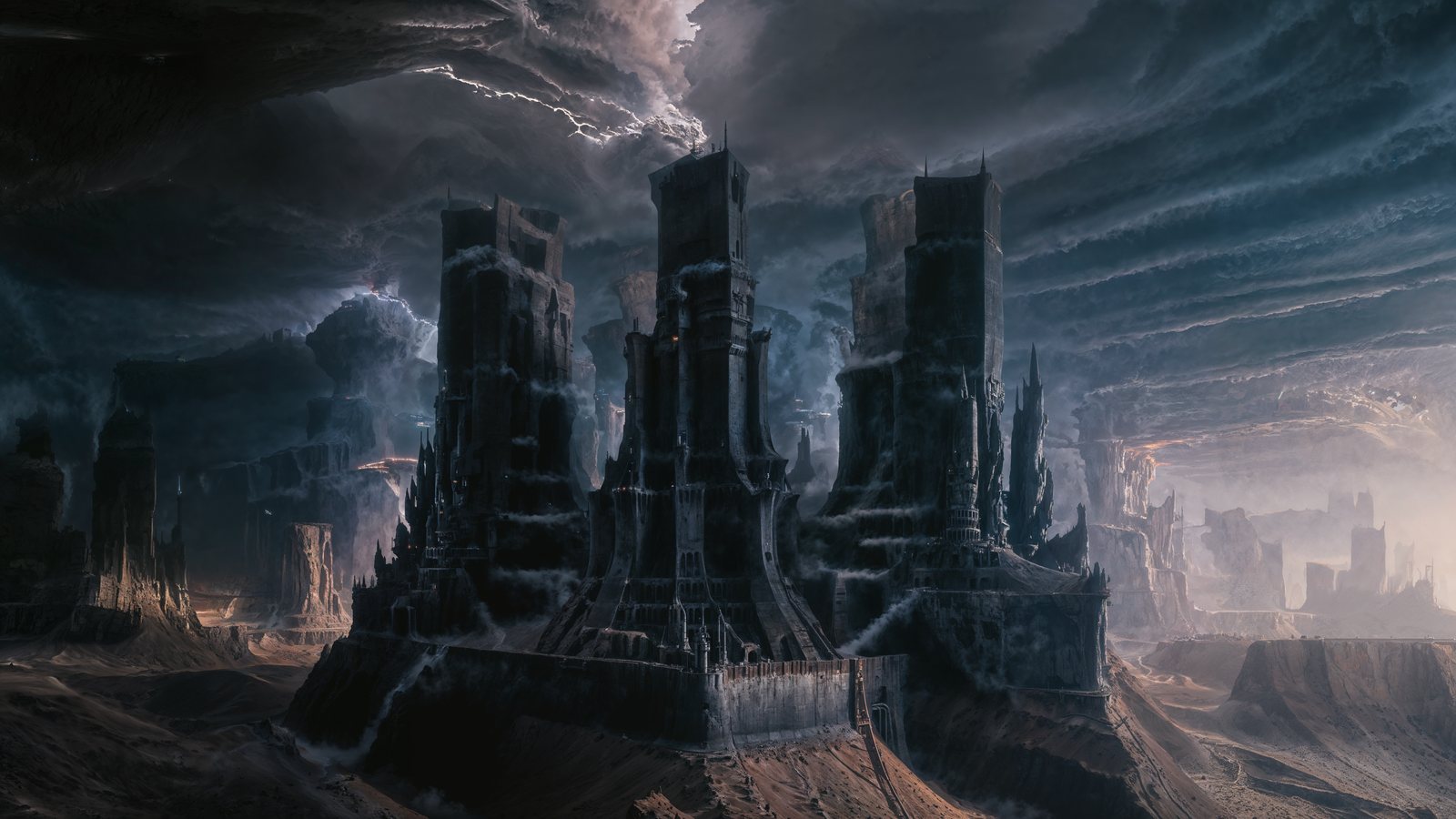
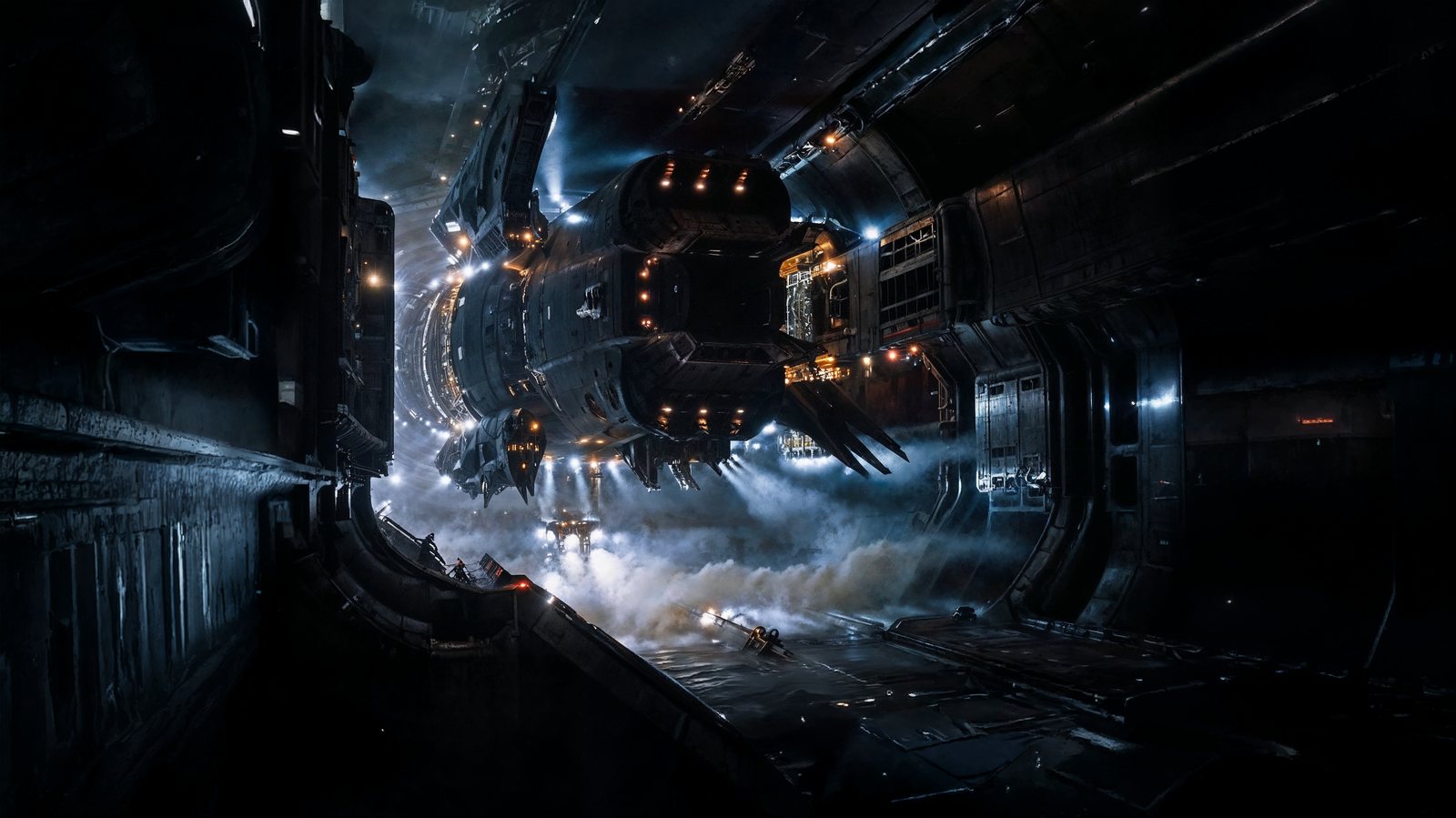
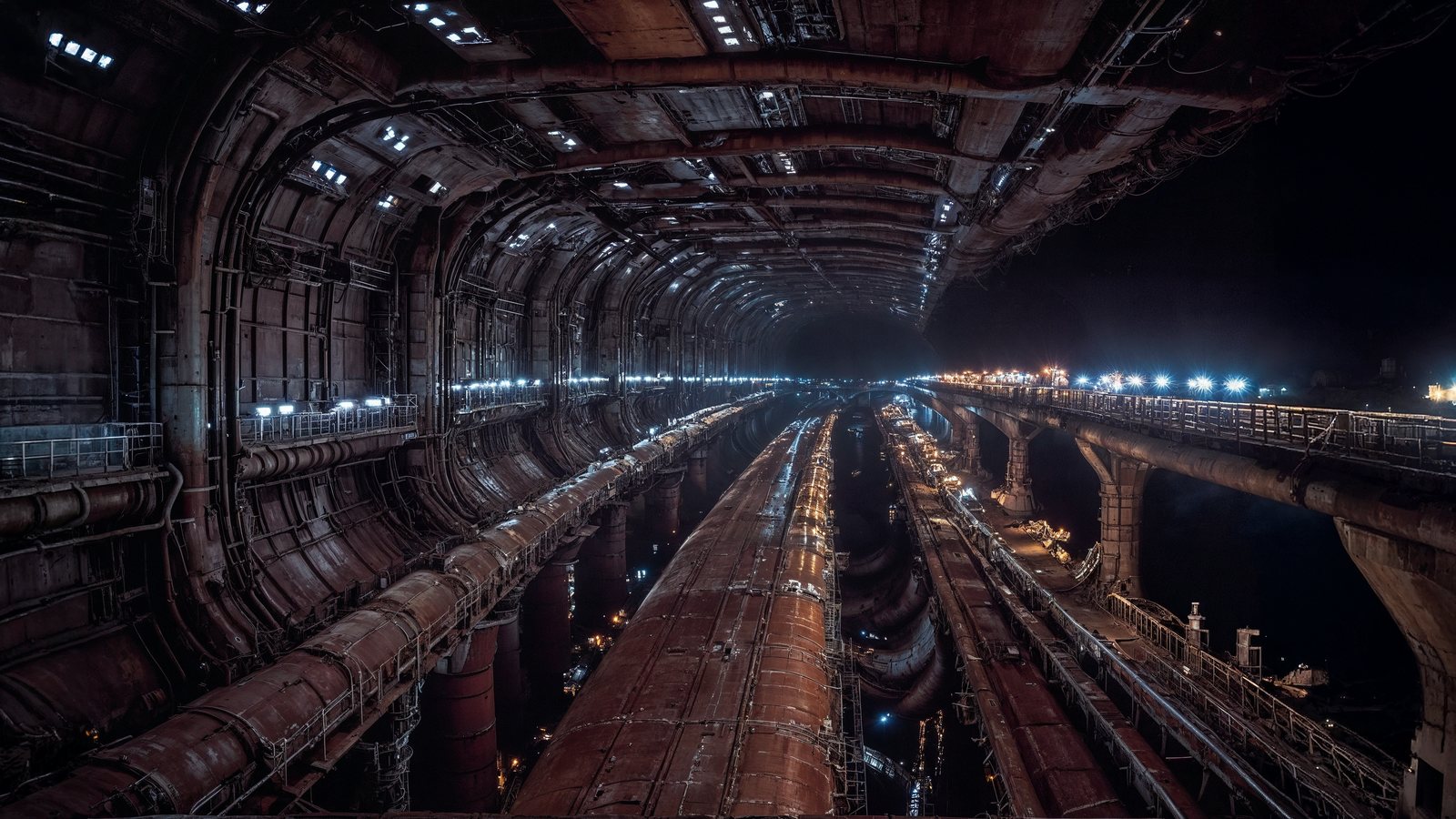
The methodology above is not superstition — each move targets a specific
mechanism inside the diffusion architecture. This section is the educational layer:
what a latent space is and why training on curated corpora reshapes it; how the
U-Net's multi-scale denoising passes carry structure at some scales and surface at
others; and how cross-attention is the hinge between prompt tokens and image
regions — the reason engineering-accurate nouns land more precisely than metaphor.
Each explainer pairs a plain-language walkthrough with outputs from my
own models as the evidence — then hands off to the
Open Research wing
for the primary literature.
FIG. DP-05a · LATENT SPACE
The world the model thinks in
The model does not paint pixels. It works in a learned
representation space where shape, material, light, and composition are
directions — and every plate on this page is a point in it. Training on my
corpora did not add images to someone else's space; it built a new region
of that space, with its own attractors. Interpolation there is synthesis, not
collage: the space between two things I made is full of things I never made.
The corpus defines the space. Curation is authorship of the manifold.
FIG. DP-05b · THE U-NET
Where degrees of freedom collapse
Generation starts as pure noise — maximum freedom, zero
meaning. Each denoising step removes degrees of freedom, collapsing what remains
toward one consistent image. And the network never learns a perfect
collapse: regularization smooths the learned score field, softening the pull
toward memorized examples — and that smoothing opens the
interpolation zones where new images live. Novelty is not an accident
here; it is a mathematical property of how networks learn.
The prompt selects a trajectory; the U-Net decides how fast freedom collapses.
FIG. DP-05c · CROSS-ATTENTION
Why precise words make precise images
At every denoising step, cross-attention re-solves one
question: given this text and this half-formed image, what belongs where?
It is an information bottleneck — the hinge between token and region. That is
why the prompts here are written in engineering language: spillway lands
on a narrower, more decisive region of the learned space than big wall
ever can. Attention decides where surprise is allowed to remain.
Precision of language is precision of image.
The full argument — score smoothing, sculpting the denoising dynamics,
and why interpolation is not imitation — is written out in the
Open Research wing's
diffusion shelf.