§ 01 / 03 · PIPELINE
Prose in → assembled USD scene out
Prose in, one assembled USD scene out, branching into the three modalities from the Hybrid 3D × AI workflow. The planning, dispatch, merge, and control-flow mechanism is proprietary — a patent-candidate invention withheld pending filing.
Architecture Withheld
The connective core — orchestration method removed from this build
How prose becomes a plan, how the skills are dispatched and their outputs merged into a single scene, and the gated control flow that recovers from failure are the crown-jewel invention of this tool. They are proprietary and withheld pending filing. What stays public: prose in one assembled USD scene out 3 output modalities.
FIG. SC-01 · prose → assembled USD scene → 3 modalities · the agent that calls the rest of the AI tier · internal stages withheld pending filing
FIG. SC-02 · intent parser · prose compiles to a typed assembly plan · vocabulary & bindings withheld pending filing
FIG. SC-03 · assembly engine loop · the closed agentic loop · control flow withheld pending filing
FIG. SC-04 · hybrid 3D × AI master workflow
· concept → orchestrated USD → 3 modalities → recorded plate → feedback
· the loop Scene Composer orchestrates end-to-end · method withheld pending filing
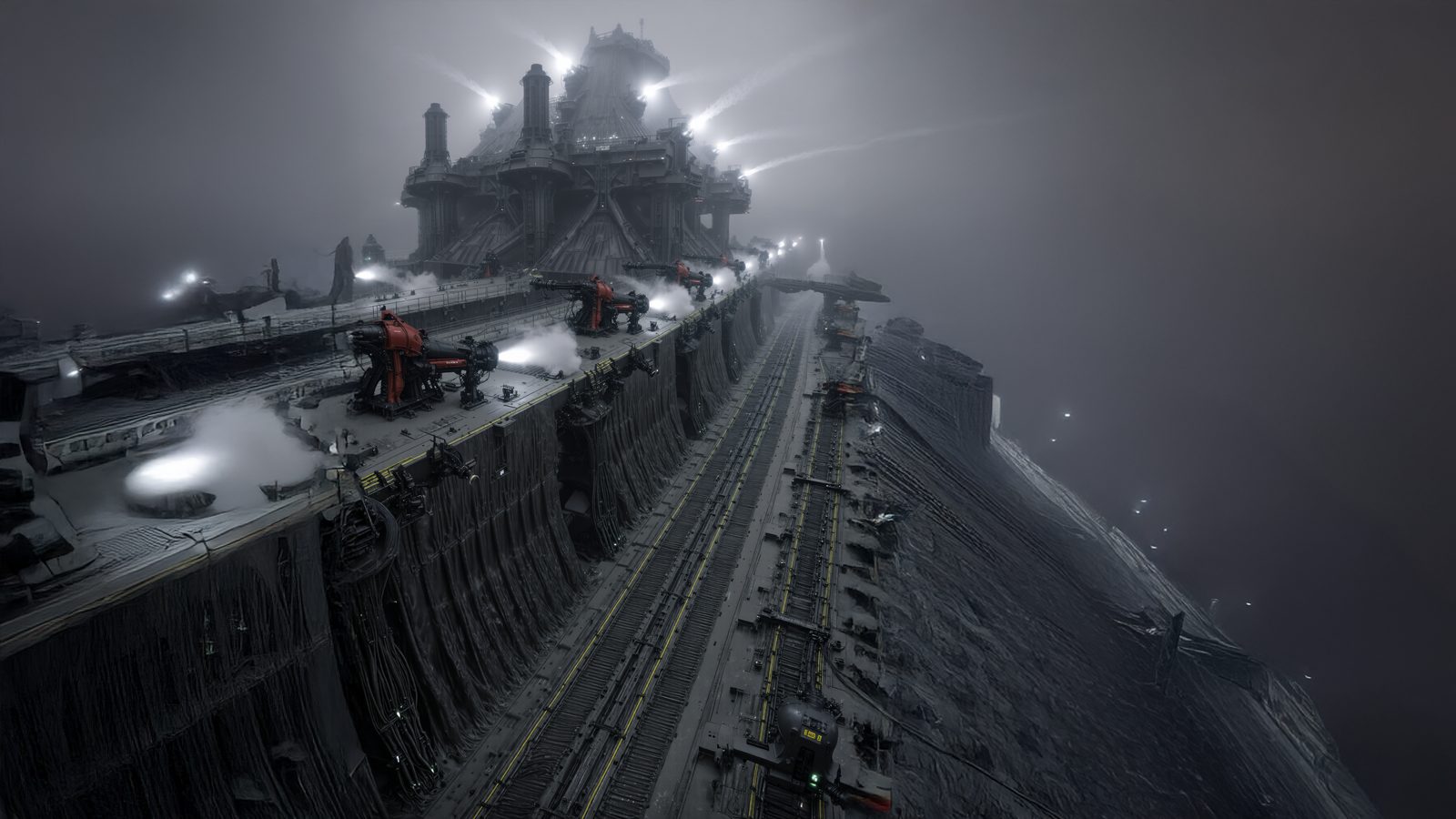
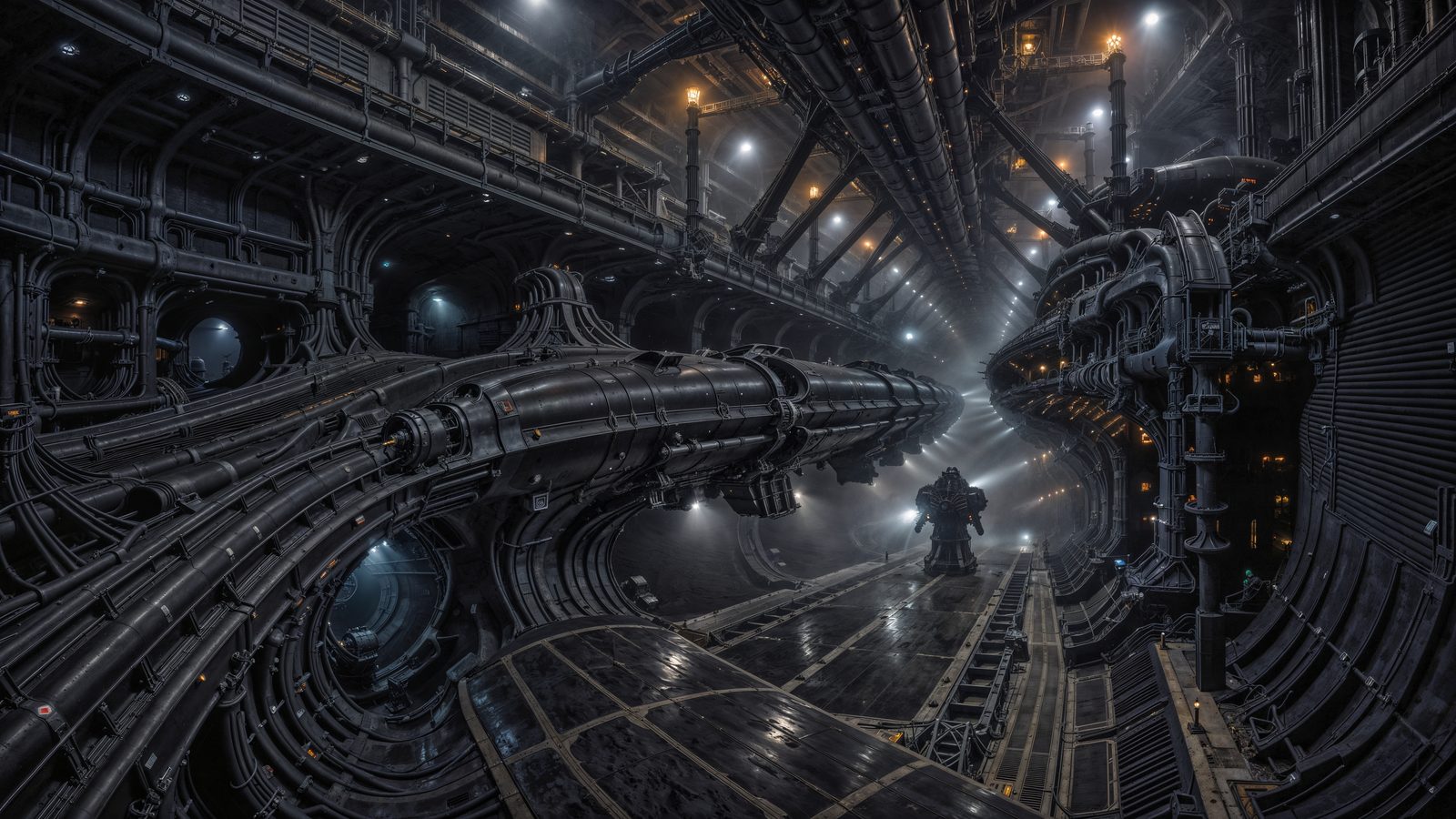
FIG. SC-05 · orchestrated scenes · what comes out the other end of the assembly engine loop — prose intent in, finished frame out · pipeline detail withheld pending filing