ZFORGE · PRACTICE · MMXXVI
CORPUS  ·  MIX  ·  ISOLATE  ·  LIFT  ·  RETRAIN

TRAINED
WORLDS

Custom diffusion models, trained on my own work — then crossed.

Sculpture. Kitbash environments. Nature and cinematic light. Industrial civil works. Each becomes a model; the models are mixed so a familiar environment carries an entirely different motif — and the machine stops needing metaphor.

CUSTOM DATASETS FINE-TUNED DIFFUSION THE RETRAIN LOOP
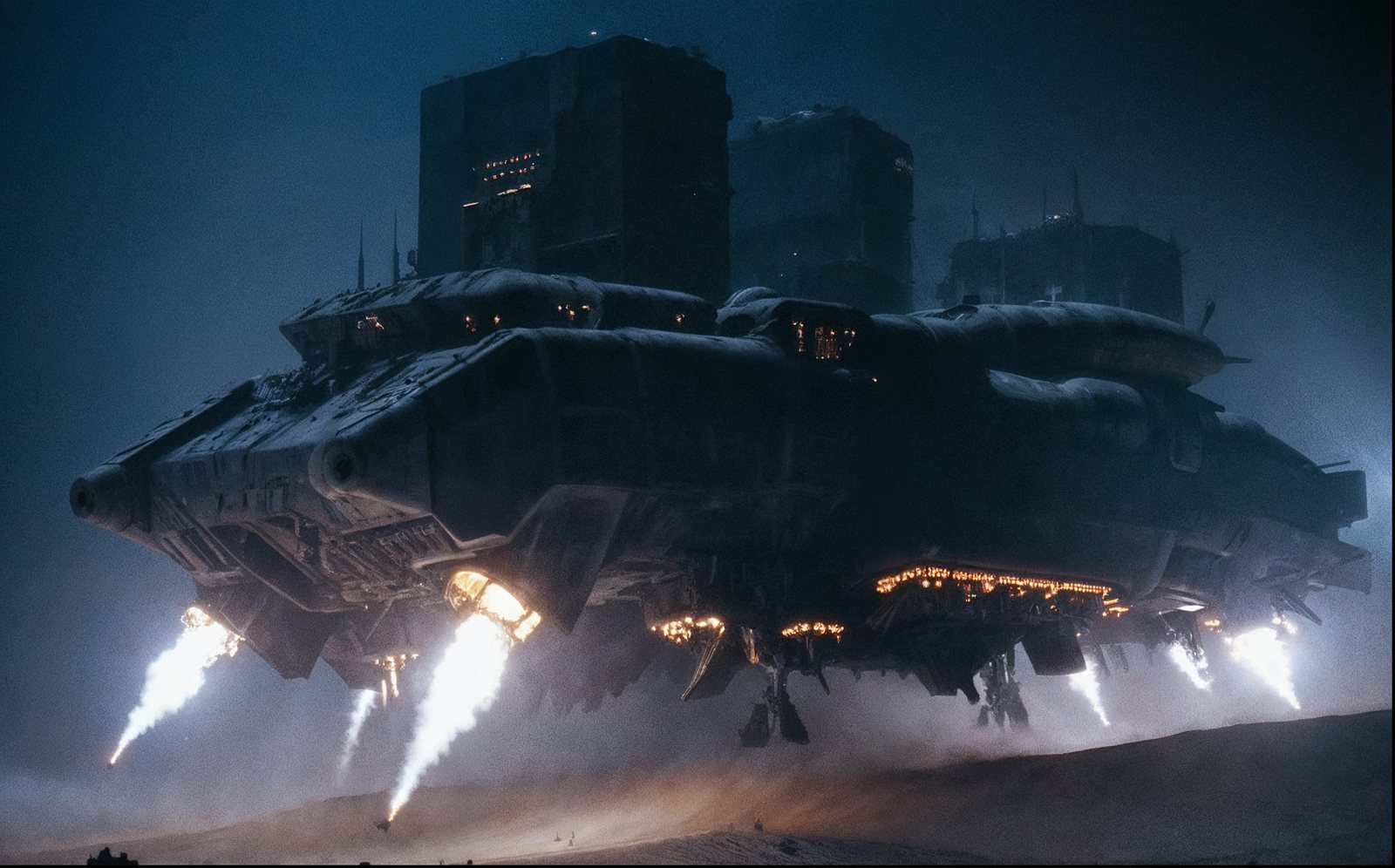
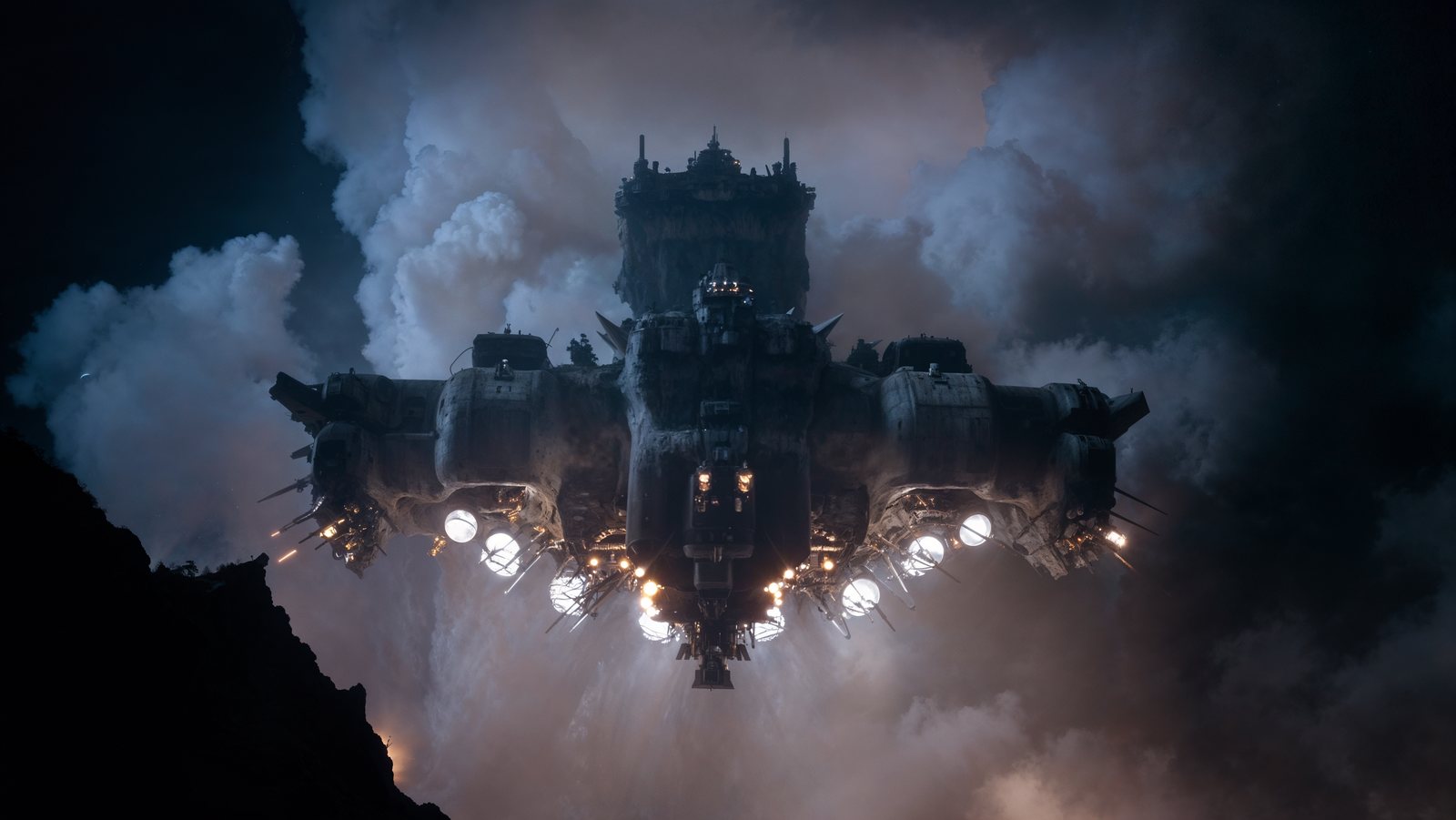
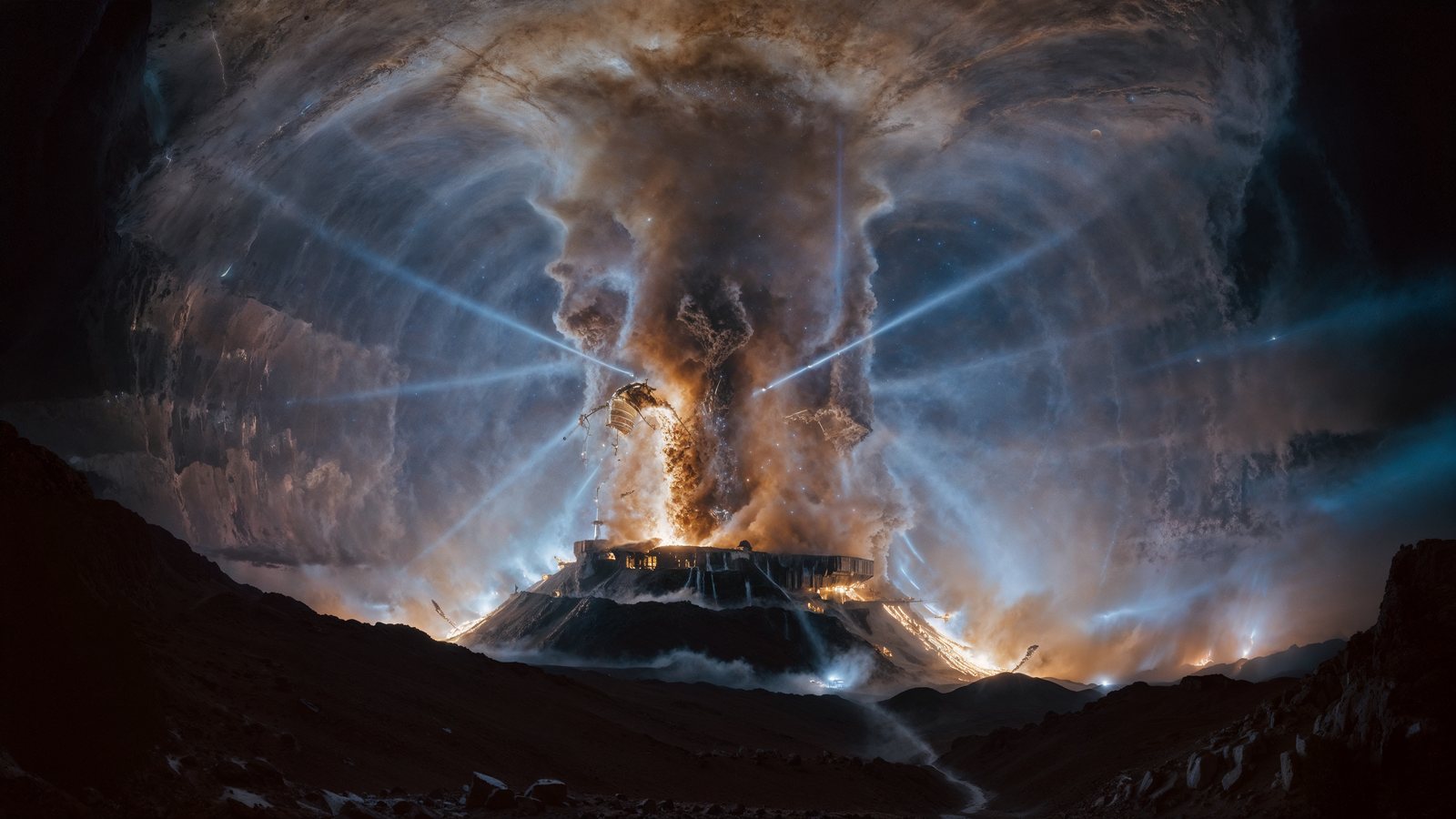
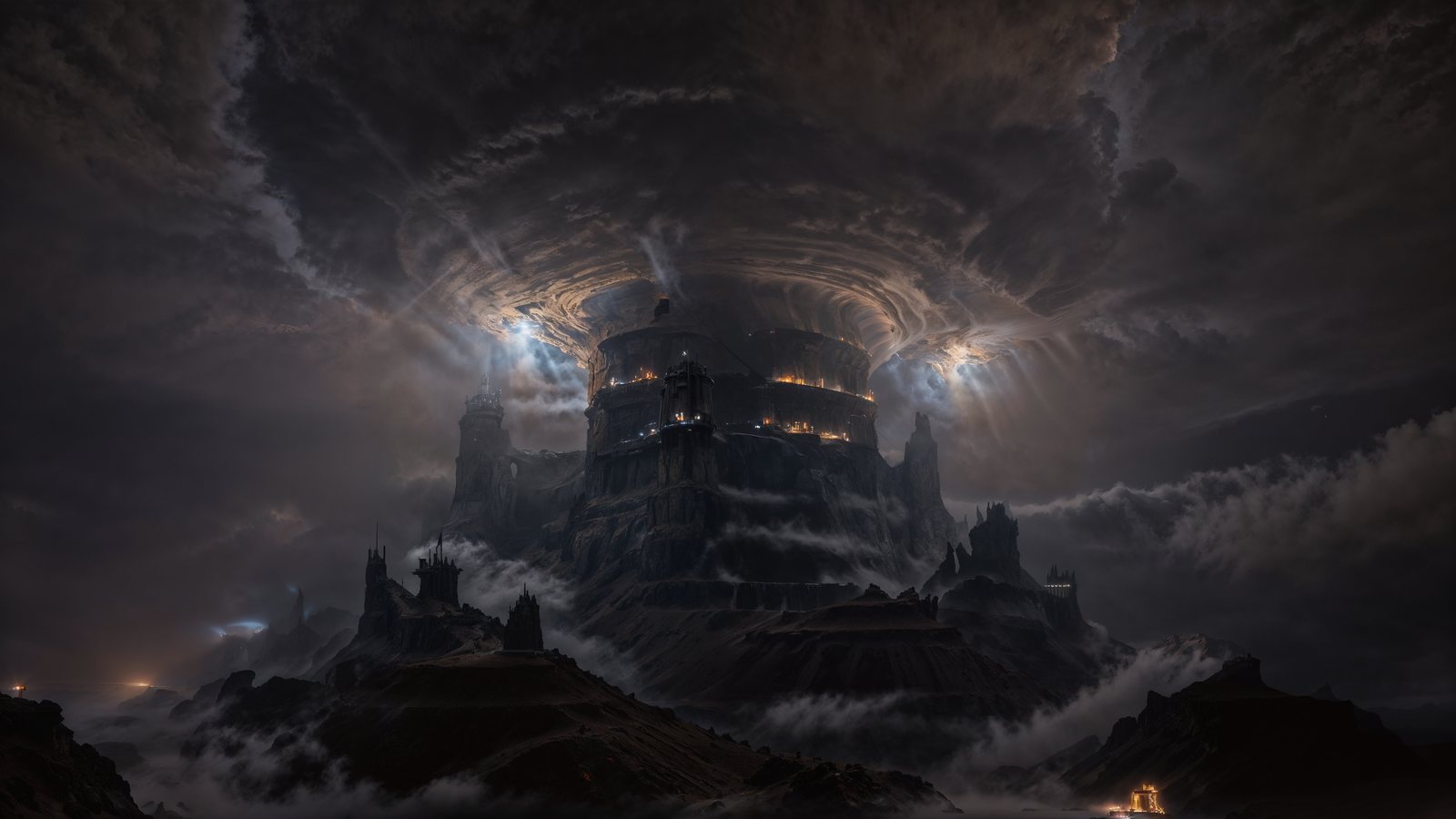
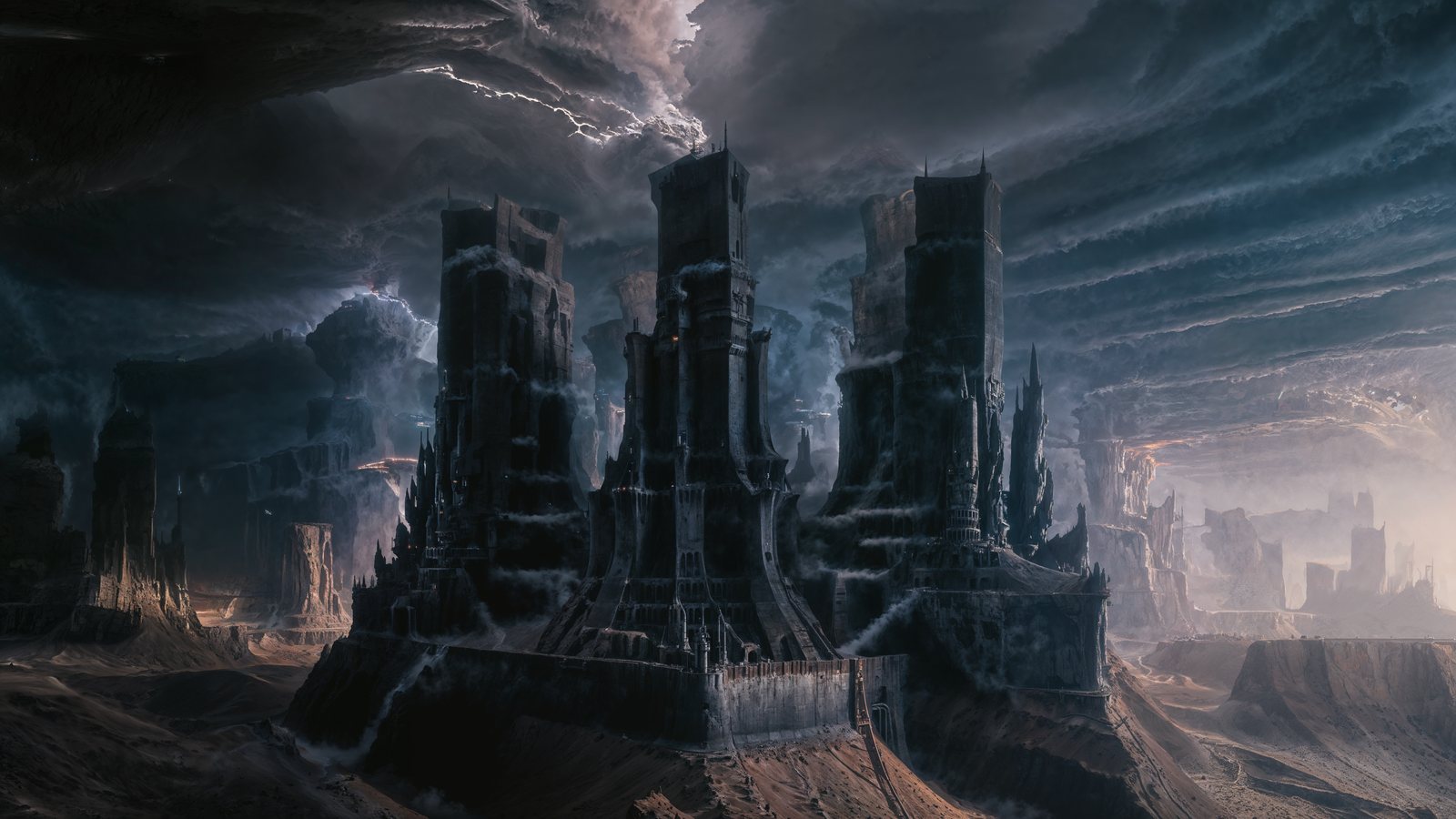
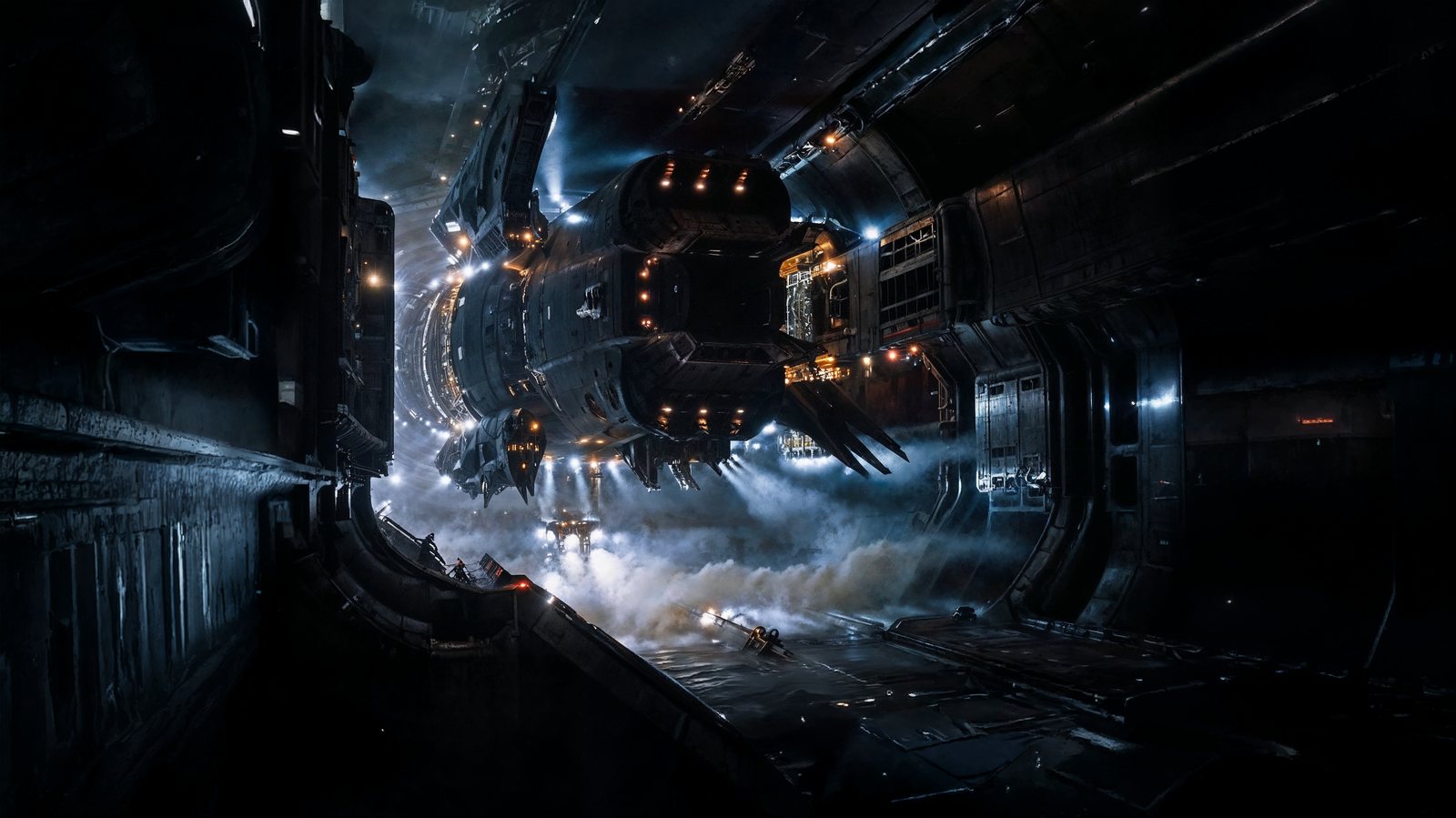
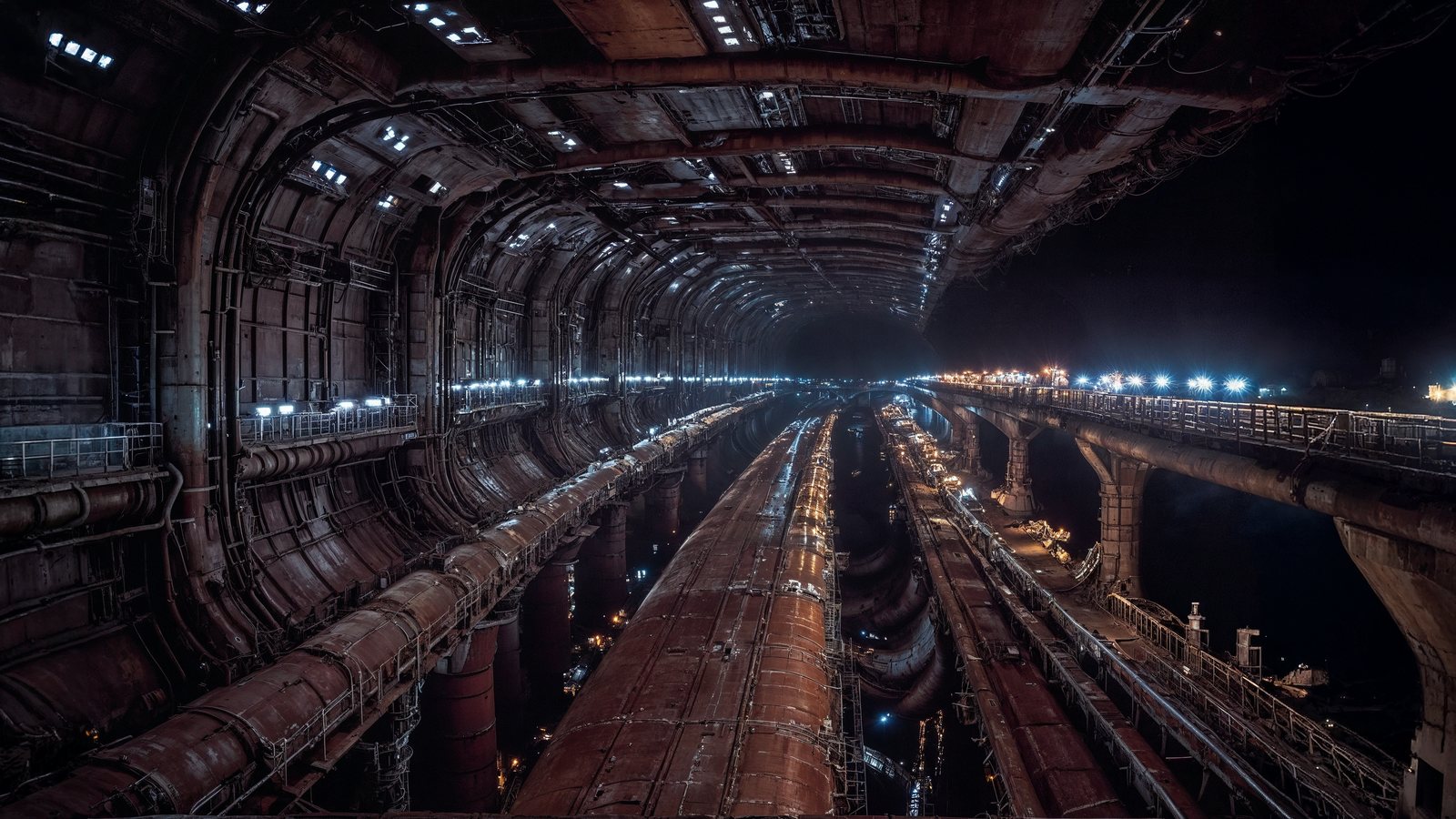
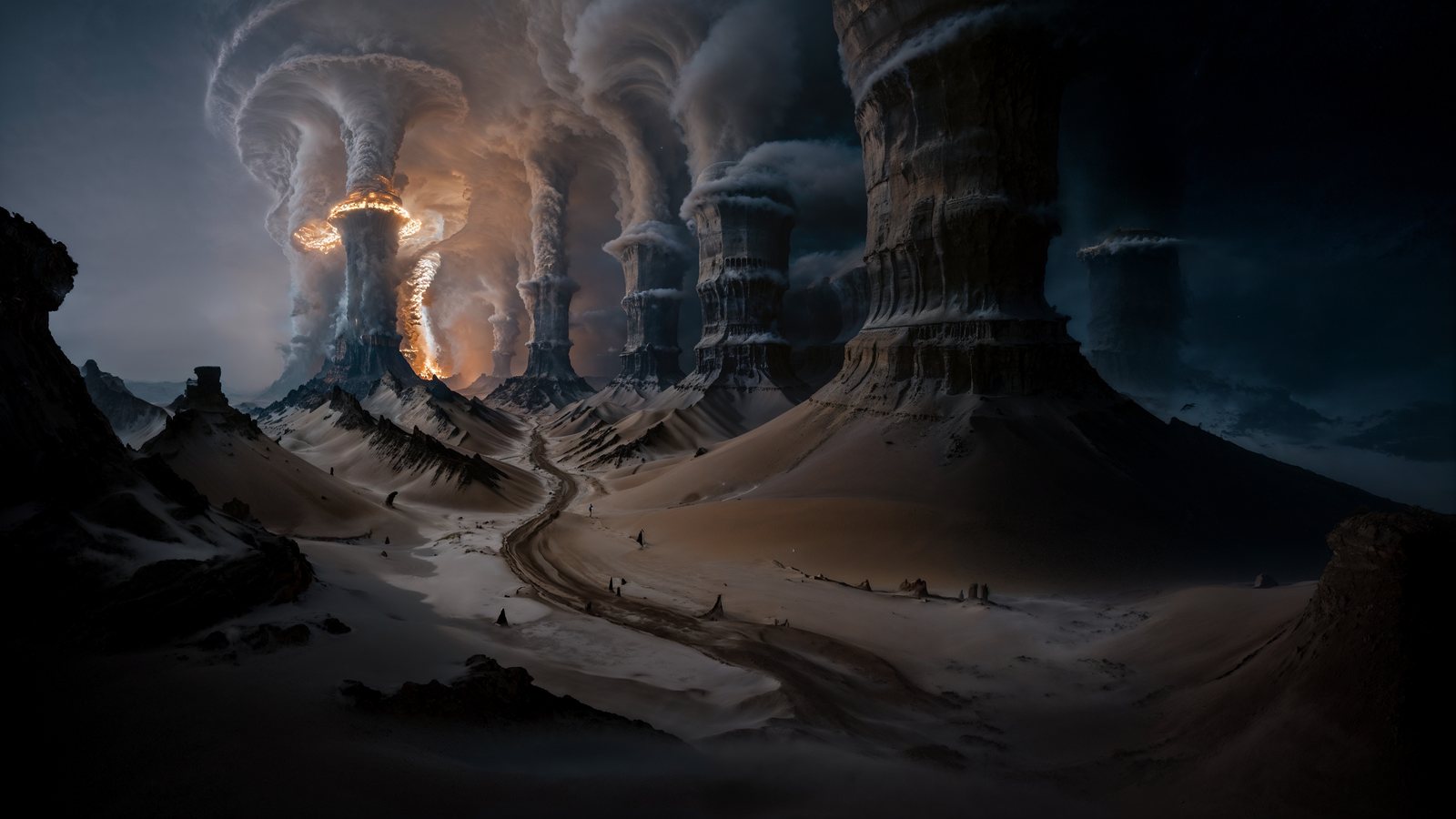
TEN PLATES · DEC 2024 → JUL 2025 · AUTHENTIC OUTPUT · TRAINED MODELS · UPSCALED
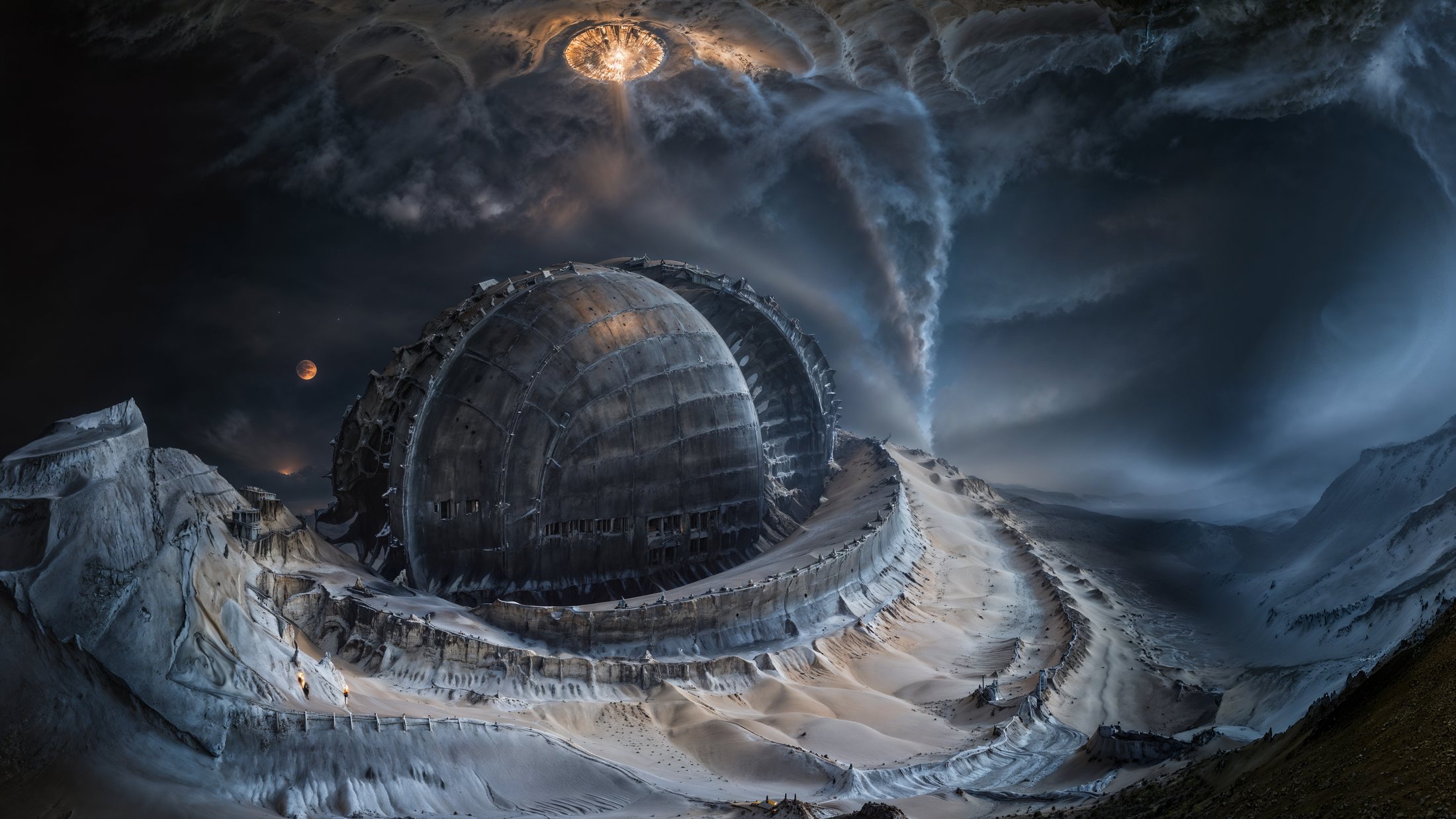
Colossal weathered dome half-buried in a winter dune amphitheater under a storm vortex, blood moon low on the horizon
EVERY CAPTION IS THE PLATE'S OWN CAMERA CONSTRAINT — THE FILENAME IS THE PROVENANCE
§ 01 / 05

The corpus▹ In the forge

Nothing here starts from a scraped dataset. Each model is trained on a corpus I built by hand: sculpted forms photographed and staged, kitbash environments assembled and lit, field studies of industrial civil works, and nature plates graded to a cinematic stock. The point is not volume — it is curation as authorship. A model trained on one artist's decisions inherits the decisions, not just the pixels.

Sculpture corpus
My own sculpted forms — silhouette language, surface rhythm, the way mass turns under light.
Kitbash environments
Assembled environment kits — modular structure vocabulary, staged and photographed as training plates. The Kitbash Conductor tool grew out of this practice.
Nature & cinematic looks
Landscape, weather, and botanical plates unified under specific film-stock grades and lens behavior.
Industrial civil works
Dams, gantries, spillways, substations — engineering-accurate structure, photographed as a formal vocabulary.
FIG. DP-01 · THE FOUR CORPORA
Training-set contact sheets — drop-in slot, pending curation pass.
§ 02 / 05

The mix▹ In the forge

Trained separately, the models are then combined: the industrial vocabulary is let loose inside the natural environments, and the natural light inside the civil works. The result is the payoff of the whole practice —

A familiar environment, carrying an entirely different motif — so I no longer have to talk to the model in metaphor.

Instead of prompting around the gap (“like a dam, but organic…”), the crossed model already thinks in the combined space. Generalization does the widening: the model extrapolates the shared structure between the two worlds and proposes forms neither corpus contains. That is the difference between prompting a style and training a way of seeing.

FIG. DP-02 · CROSSED OUTPUTS
Pure-corpus vs crossed-model pairs — drop-in slot.
§ 03 / 05

The loop▹ In the forge

The mix is not the end state — it is one turn of a crank. The strongest crossed outputs are pulled apart and pushed back through the pipeline:

Generate from the crossed models — wide, exploratory passes.
Isolate the core focus points — the specific forms, junctions, and surfaces that carry the new motif.
Lift them out of the image plane: into 3D (modeling, kitbash re-assembly) and into generative video.
Light & enhance the lifted assets — staged, graded, upscaled into finished plates.
Retrain on the enhanced plates. The model's next generation inherits its own best work, refined by hand.

This is the same shape as the site's Hybrid 3D × AI pipeline — recorded plate feeds back into the corpus — applied to the models themselves. Provenance for every asset generation is kept in a lineage ledger (the Lineage wing).

FIG. DP-03 · THE RETRAIN LOOP
Generate → isolate → lift → enhance → retrain — diagram slot.
§ 04 / 05

The language▹ In the forge

The prompt side of the practice is deliberately unpoetic. Structures are named by their engineering terms — spillway, gantry crane, penstock, caisson — because scientifically accurate language activates the most specific regions of the model's learned space. And every generation carries an explicit camera constraint:

75 mm · low angle · Kodachrome — focal length, angle, and stock are stated, not implied, so composition is a controlled variable across the whole corpus rather than an accident of each render. The same constraint discipline drives the Scene Stager's slot-based cinematography: the AI proposes adjustments to named slots, never raw coordinates.

FIG. DP-04 · ANATOMY OF A PROMPT
A real prompt, annotated term by term — drop-in slot.
§ 05 / 05

Under the hood▹ In the forge

The methodology above is not superstition — each move targets a specific mechanism inside the diffusion architecture. This section is the educational layer: what a latent space is and why training on curated corpora reshapes it; how the U-Net's multi-scale denoising passes carry structure at some scales and surface at others; and how cross-attention is the hinge between prompt tokens and image regions — the reason engineering-accurate nouns land more precisely than metaphor.

Each explainer pairs a plain-language walkthrough with outputs from my own models as the evidence — then hands off to the Open Research wing for the primary literature.

FIG. DP-05a · LATENT SPACE
The world the model thinks in
The model does not paint pixels. It works in a learned representation space where shape, material, light, and composition are directions — and every plate on this page is a point in it. Training on my corpora did not add images to someone else's space; it built a new region of that space, with its own attractors. Interpolation there is synthesis, not collage: the space between two things I made is full of things I never made.
The corpus defines the space. Curation is authorship of the manifold.
FIG. DP-05b · THE U-NET
Where degrees of freedom collapse
Generation starts as pure noise — maximum freedom, zero meaning. Each denoising step removes degrees of freedom, collapsing what remains toward one consistent image. And the network never learns a perfect collapse: regularization smooths the learned score field, softening the pull toward memorized examples — and that smoothing opens the interpolation zones where new images live. Novelty is not an accident here; it is a mathematical property of how networks learn.
The prompt selects a trajectory; the U-Net decides how fast freedom collapses.
FIG. DP-05c · CROSS-ATTENTION
Why precise words make precise images
At every denoising step, cross-attention re-solves one question: given this text and this half-formed image, what belongs where? It is an information bottleneck — the hinge between token and region. That is why the prompts here are written in engineering language: spillway lands on a narrower, more decisive region of the learned space than big wall ever can. Attention decides where surprise is allowed to remain.
Precision of language is precision of image.
Creativity lives in the narrow band where enough constraints exist to define meaning — but enough degrees of freedom remain to explore. Every discipline on this page is aimed at that band.

The full argument — score smoothing, sculpting the denoising dynamics, and why interpolation is not imitation — is written out in the Open Research wing's diffusion shelf.
ONWARD

Where this leads