ZFORGE · THE DEMO · MOCK STUDIO · MMXXVI
▸ HYBRID 3D × AI FILM PIPELINE · ONE CONTINUOUS LOOP

The Demo

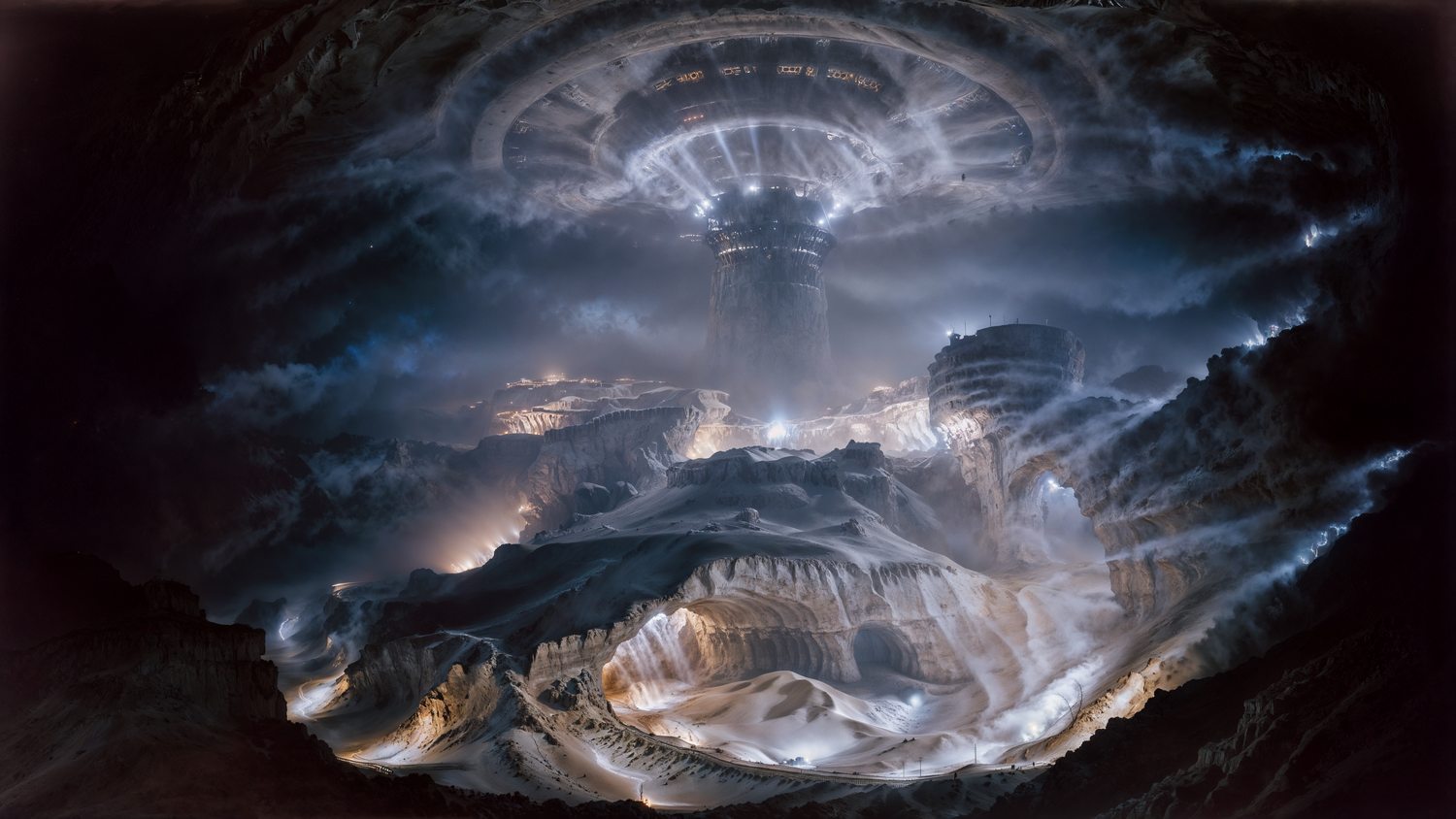
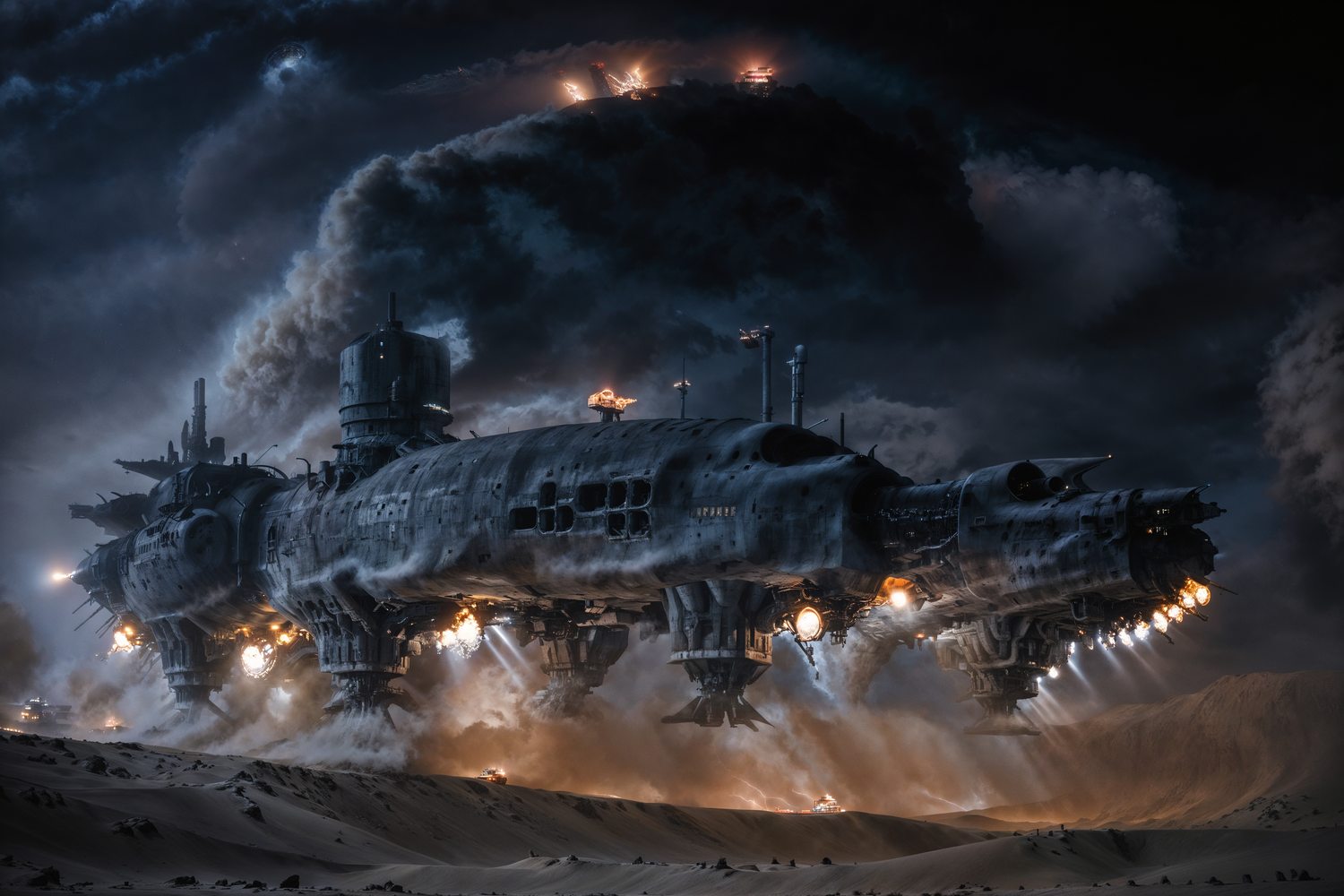
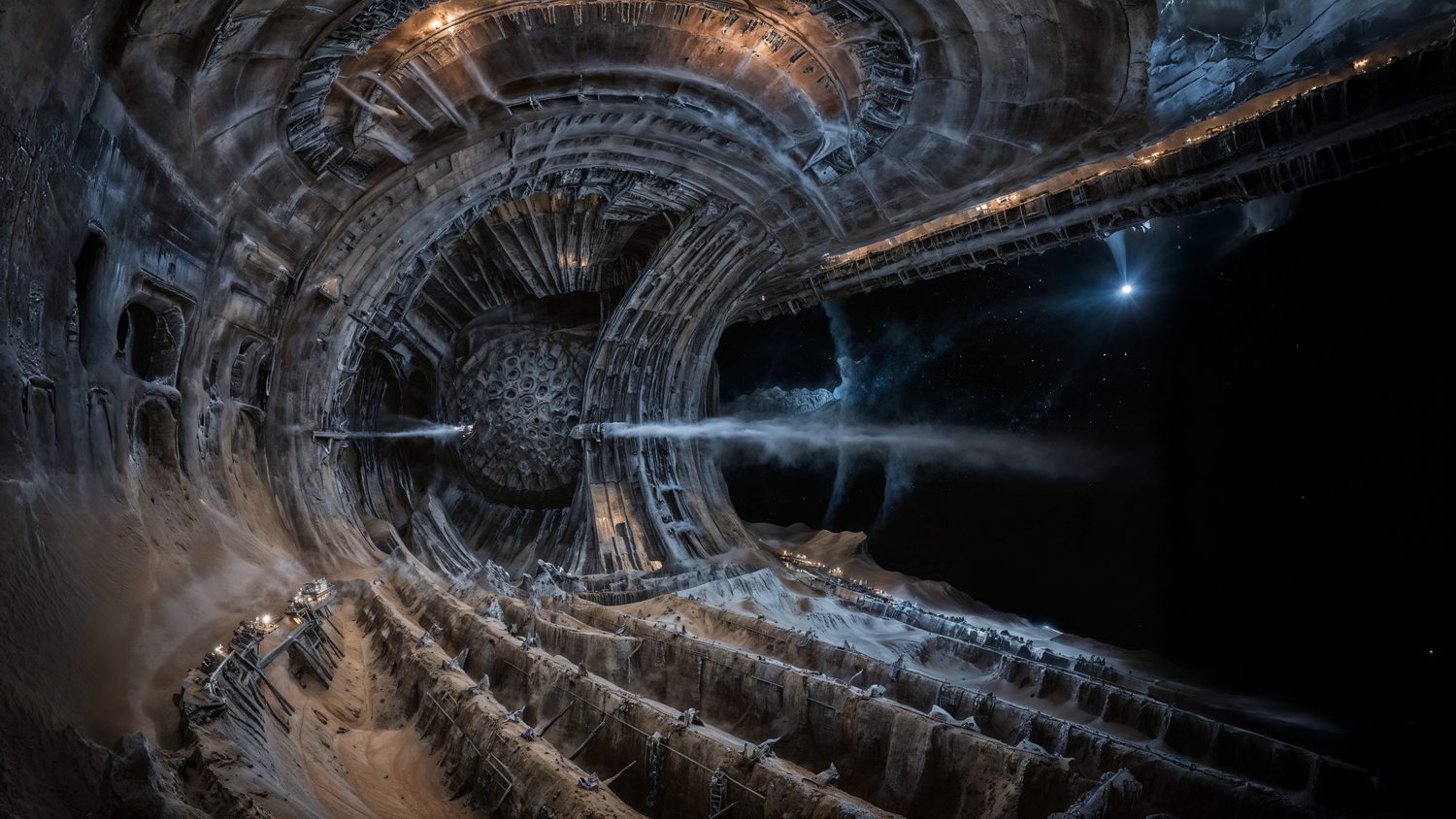
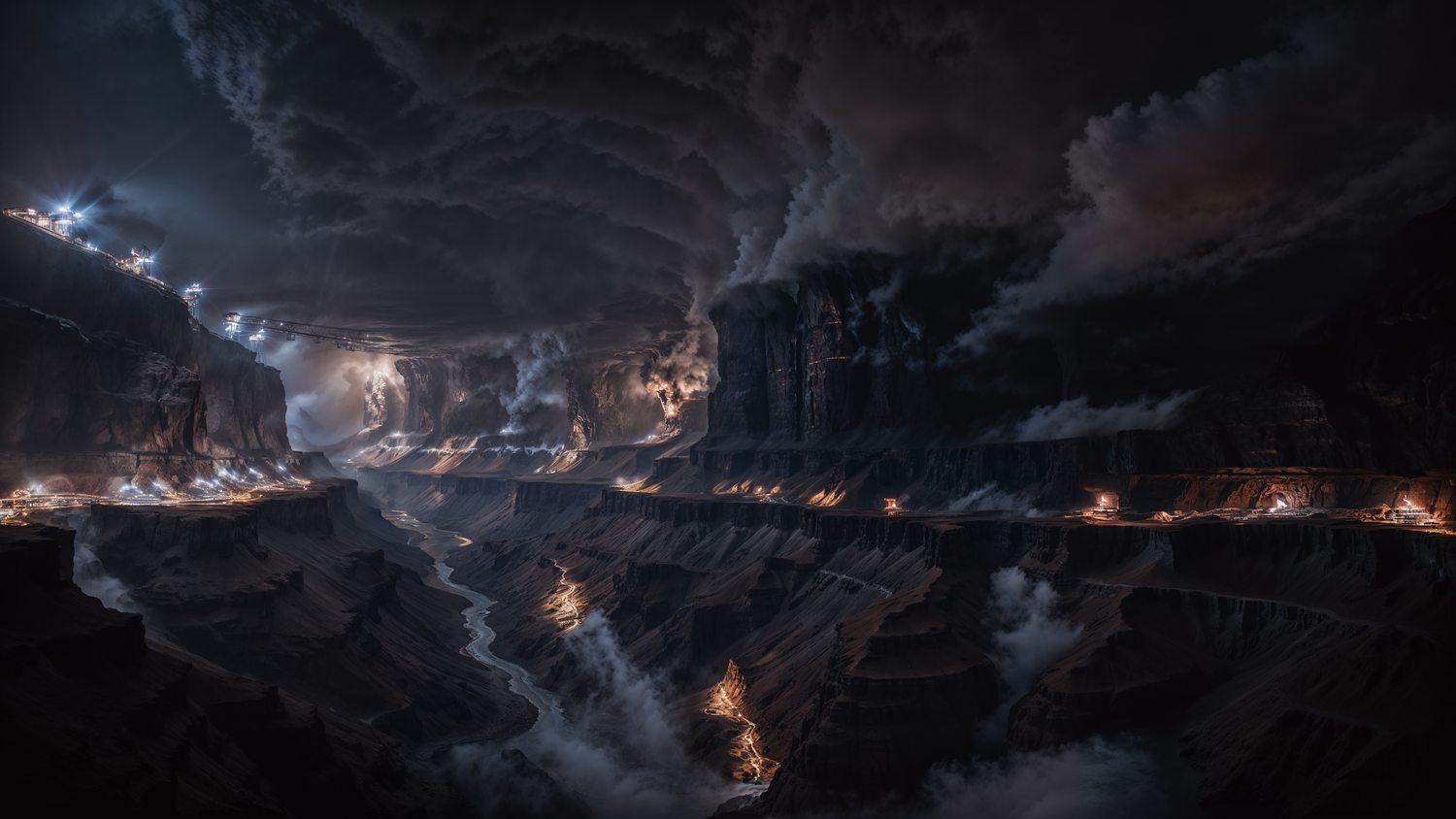
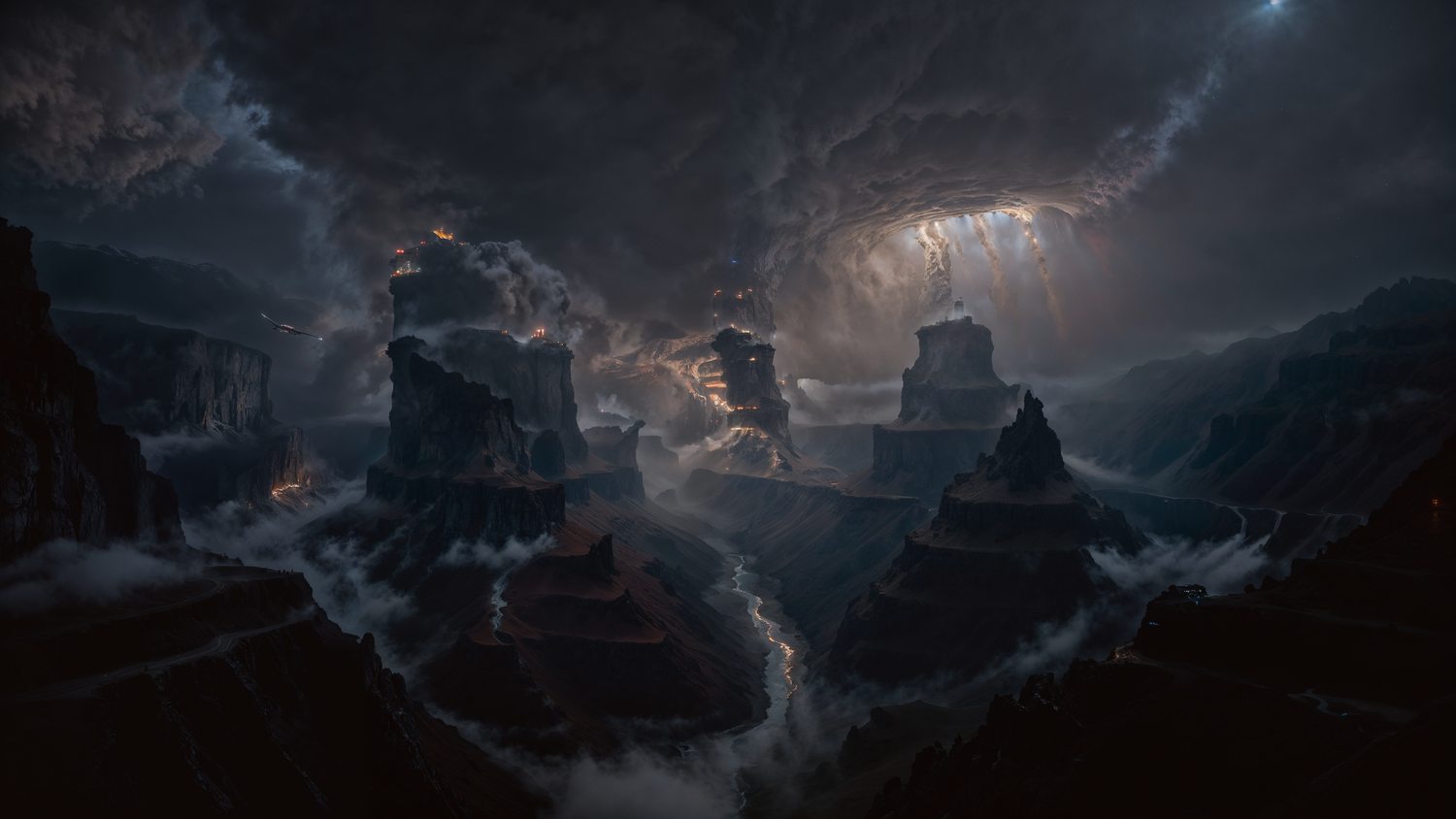
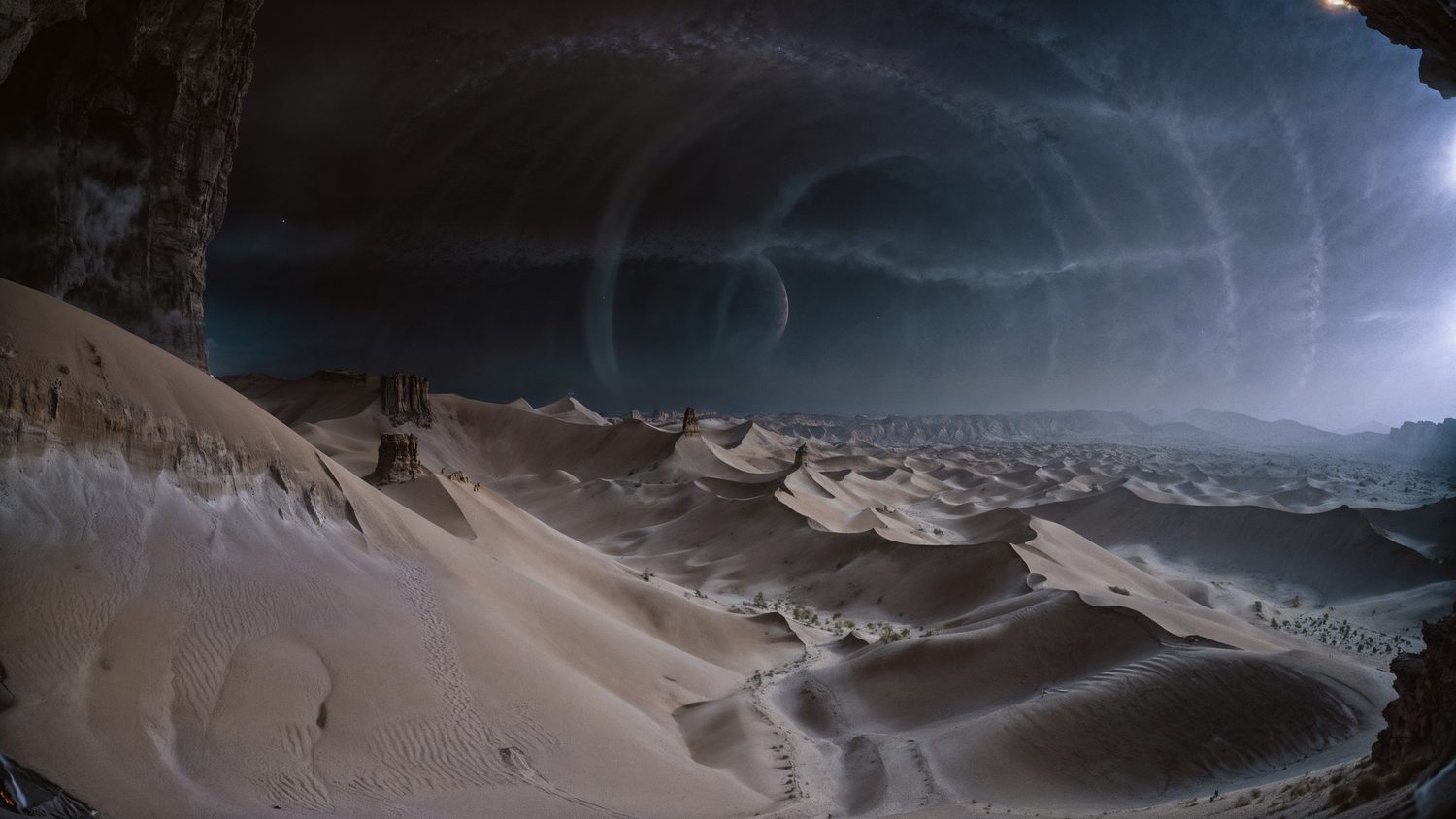
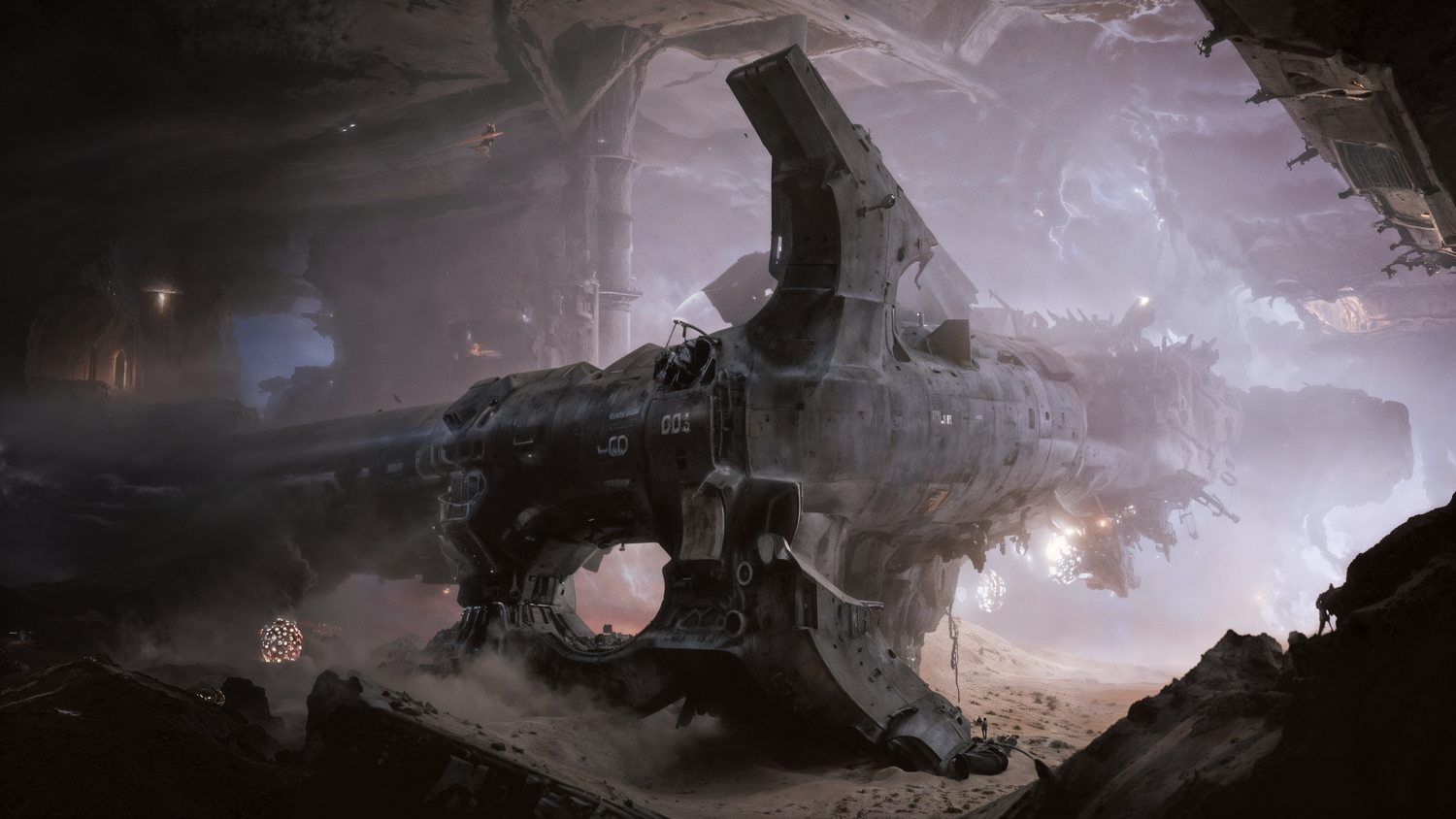
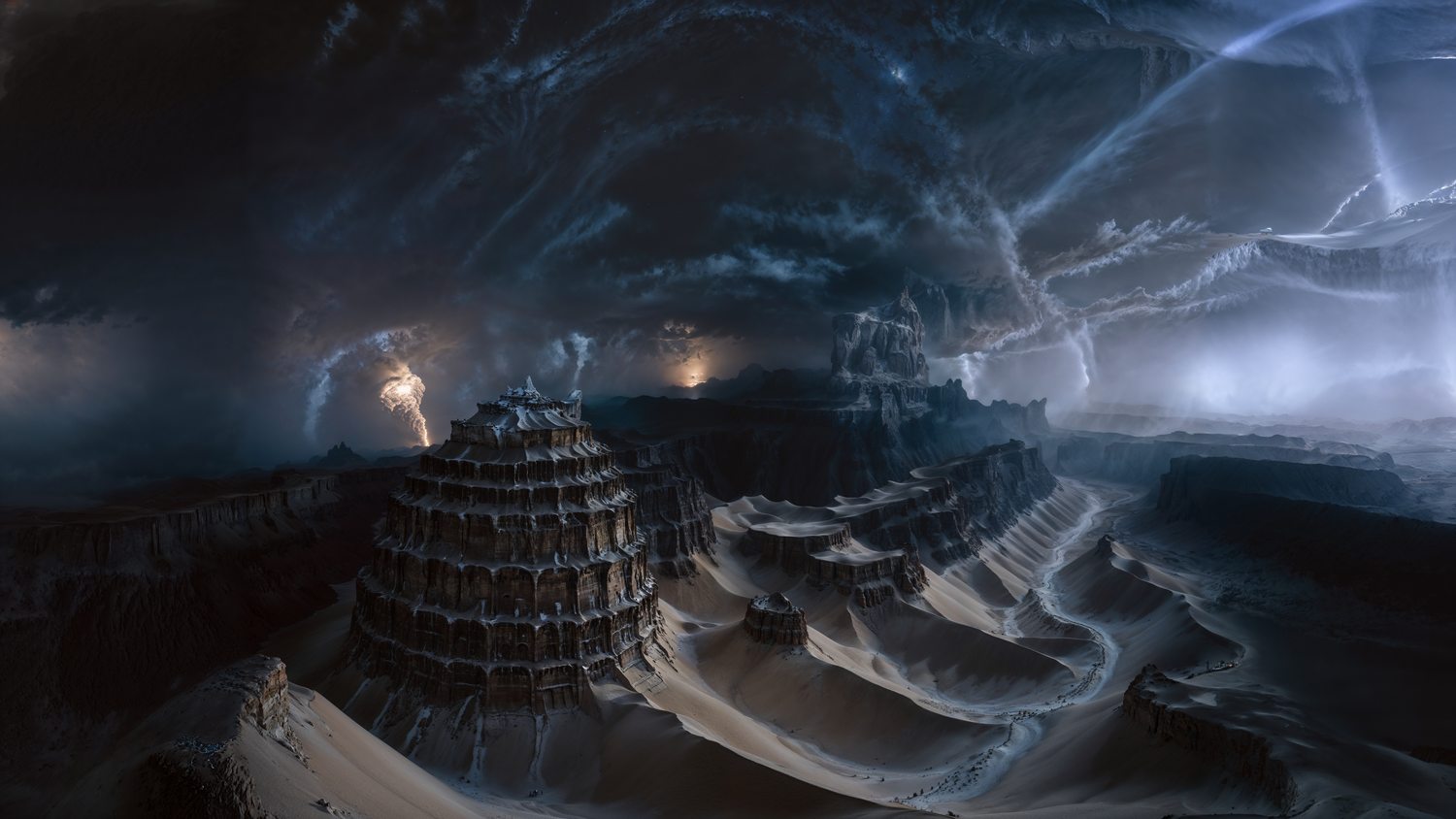
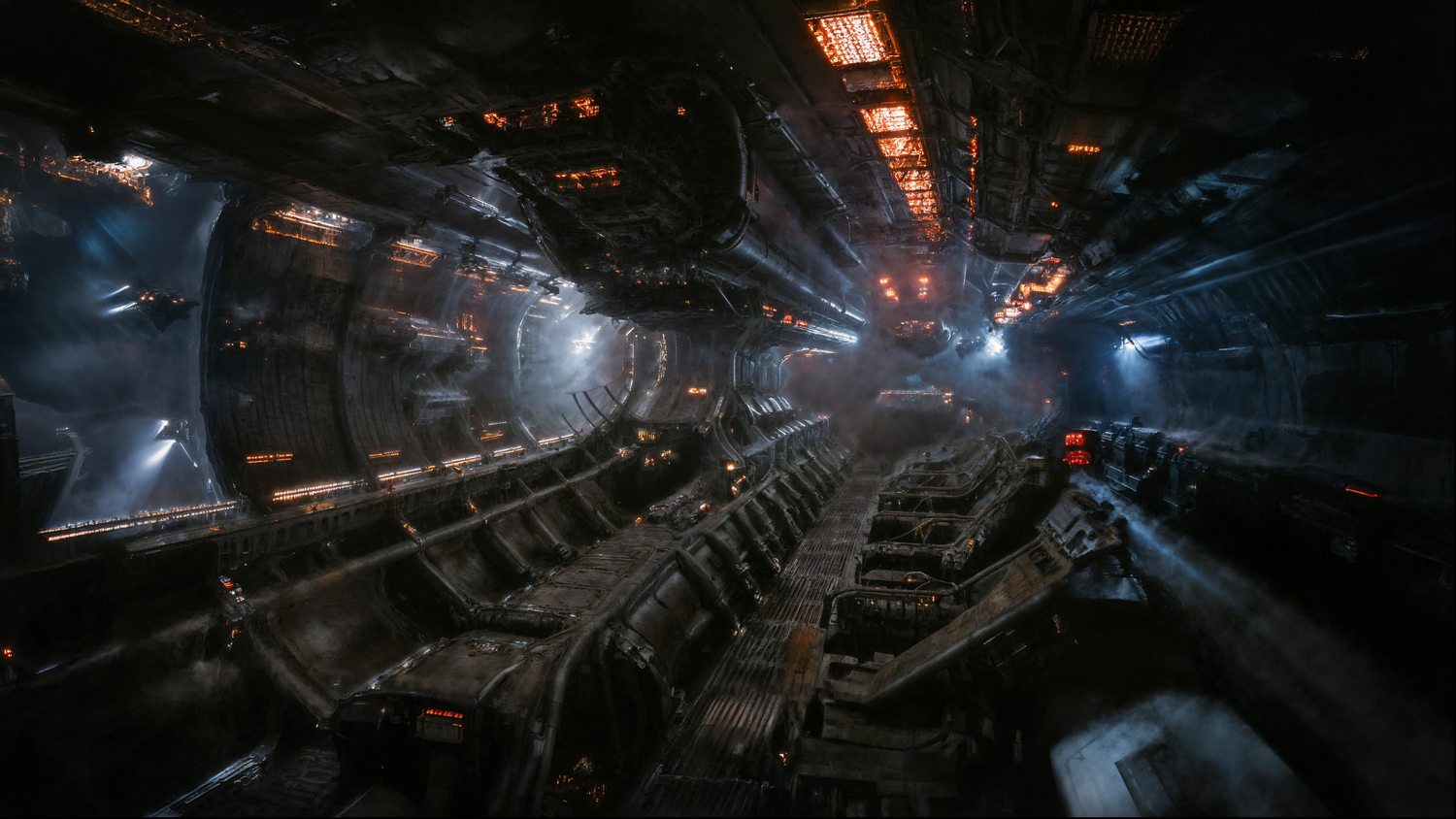
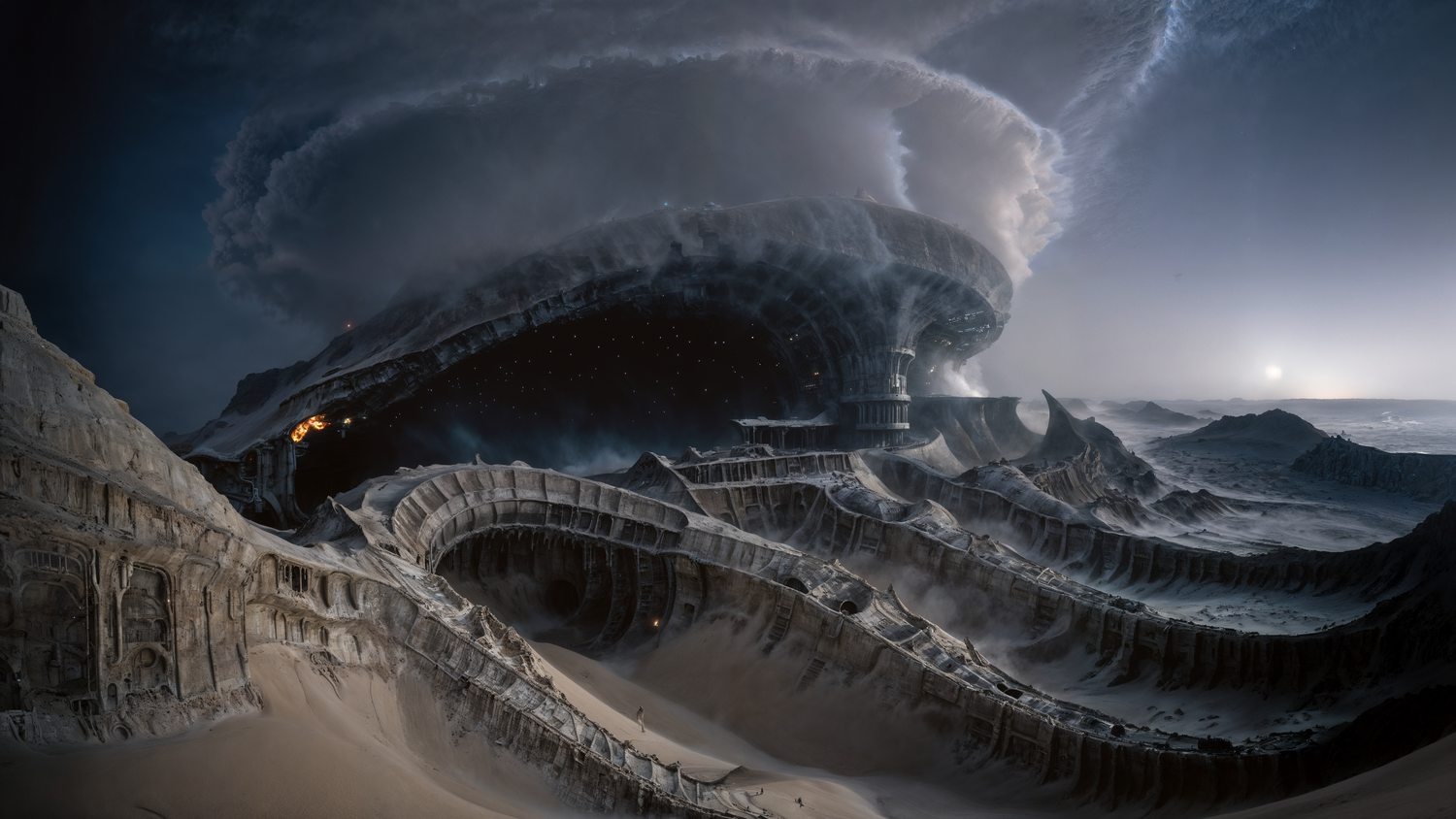
A single prose prompt — "Coalition dry-dock, abyssal dunes, low-angle 75 mm Kodachrome" — walked through every node of the integrated stack, desk to 3D-printed stage to dropped-in scene.

Five acts, roughly one minute each. Mechanica Composer generates a reference card. ZForge Scene Composer reads it and dispatches four skills. The orchestrator merges everything into one USD scene. That scene branches three ways — digital, physical, latent — and the recorded plate drops back into the corpus. The path broadens while the look refines.

▸ Pre-release demonstration

This page is a staged walkthrough of the designed workflow. Clips marked AUTHENTIC are real captures of tools running today; clips marked SIMULATED stand in for hardware steps (LED dome, 3D print, robotic rig) until the physical stage is built. Each slot is a drop-in — simulated footage is replaced by the real take as it's shot, with no re-edit.

FIG. HW-01 · THE LOOP

One diagram, the whole pipeline

Hybrid workflow diagram
I
~45 SEC · MECHANICA COMPOSER

Prompt → Reference card

▸ Authentic capture
Screen-record of Mechanica Composer generating the card live. Real footage — this tool runs today.

The prose prompt is typed into Mechanica Composer. It generates a "DOCKING BAY 001 / NIGHT" overlay-text card with a Kodachrome aesthetic — overlay font and position chosen, an audio graft from the late-Romantic adagio corpus, alt-text describing the frame. The finished reference card saves to the Library.

→ produces   reference_card.json  ·  overlay.png  ·  audio_graft.mp3  ·  alt_text.txt
▸ Mechanica Composer
II
~50 SEC · ZFORGE SCENE COMPOSER

Scene Composer reads + plans

▸ Authentic capture
Scene Composer UI capture — the VLM director writing the plan DAG in real time.

The reference card is dropped onto ZForge Scene Composer. The VLM director writes a five-step plan in real time — KitbashConductor.retrieve(freighter) → SceneStager.fuse(reference) → TopoDoctor.repair(retrieved) → HolyGrail.quadify(boolean) → OrchestratedScene.assemble() — displayed as a dependency DAG with a cost estimate.

→ produces   AssemblyPlan.json  ·  skill_dag.svg  ·  cost_estimate.json
▸ Scene Composer
III
~70 SEC · FOUR SKILLS, PARALLEL

Skill dispatch → USD assembly

▸ Authentic + Blender/Maya
Split-screen of each skill panel + Blender/Maya captures for the geometry steps.

Split-screen: each skill runs in its own panel. Kitbash shows the top-K freighter retrievals with symmetry tags. Scene Stager's calibration loop converges on the reference's chiaroscuro and warm white-balance in three iterations. Topo Doctor flashes defect classifications and fixes. HolyGrail rebuilds quads from the boolean intersection. The orchestrator merges the USD prims into one scene graph, live.

→ produces   SceneScript.json  ·  calibration_session.json  ·  assembled_scene.usd
▸ Kitbash ▸ Scene Stager ▸ Topo Doctor ▸ HolyGrail
IV
~75 SEC · ONE ASSET, THREE OUTPUTS

Three-modality branch

▸ UE5 capture
UE5 Sequencer + tracked virtual camera, RED-VRAPTOR 8K VV preset.
(a) Digital · UE5
▸ Simulated
3D print at 1uu=1cm against an LED-dome backdrop. Stand-in until the stage is built.
(b) Physical · 3D print
▸ Simulated
Custom LDM extending the HDR dome generatively. External gen until the custom model ships.
(c) Latent · HDR dome

The same USD asset, three outputs in a triptych. One scene graph drives a digital Unreal stage, a physical 3D-printed mini-bigature on an LED backdrop, and a latent diffusion dome — all from a single source of truth.

V
~40 SEC · FEEDBACK

The cycle broadens

▸ Simulated
Tracked-camera composite of the printed mini-bigature, dropped back into the corpus. Mock until the stage exists.

The final recorded plate — the tracked-camera composite of the printed mini-bigature against the LED-stage backdrop — drops back into Mechanica Composer as a new training reference. The corpus expands: 5 frames, 20, 100, recursive.

"The path broadens while the look refines — anchored by a collaborative compositional array."
▸ PRODUCTION STATUS

This walkthrough is staged from the design at _shared/DEMO_WORKFLOW_DESIGN.md. Acts I–III capture tools that run today; Acts IV(b/c) and V are simulated until the physical stage — 3D printer, LED dome, tracked camera — is assembled. Every video slot is a named drop-in, so each simulated clip is replaced by the authentic take as it's shot.

→ See the full roadmap